
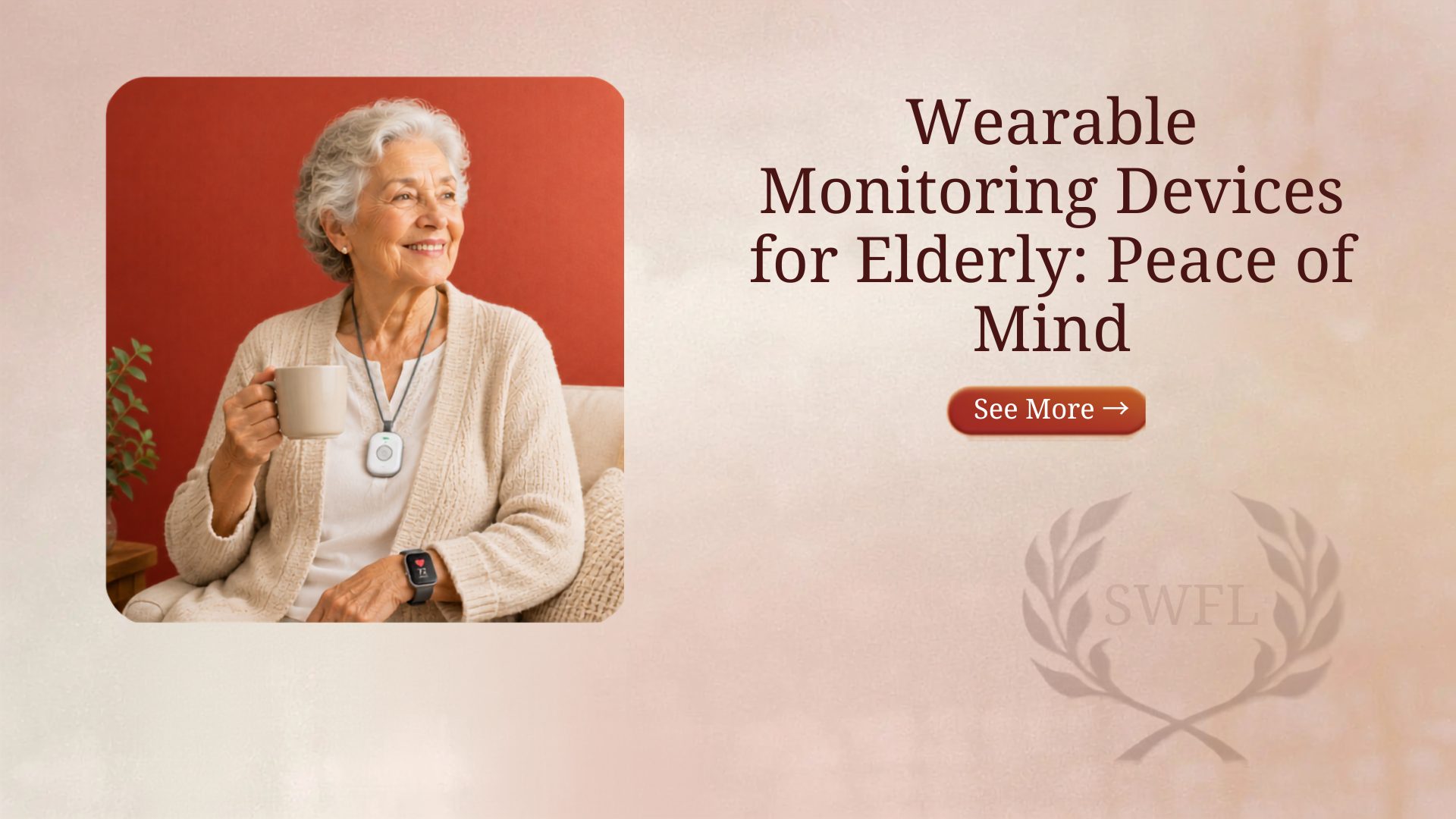
For many families, the biggest challenge of aging isn’t a lack of love or support. After all, you can’t be in two places at once. Adult children are dealing with their own commitments, jobs, kids, everything else on their plate. At the same time, seniors often want to stay independent and aren’t looking to be babysat.
This is where technology has subtly shifted things in a positive direction.
These days, wearable devices for older adults do way more than just call for help in emergencies. They track movements, spot falls, keep tabs on health stats, tell you where the person is, and link them up with help fast when needed.
So, it’s a win-win: better safety without giving up freedom.
As we see more seniors in need of care, these gadgets are standing out as a super practical solution. They boost an older person’s self-confidence and give the whole family peace of mind.
Let’s dive into how these devices operate, why they’re important, and how they’re really shaking up senior care around the nation.
Why Seniors Need More Than Traditional Safety Solutions
Aging comes with lots of great stuff, but it also tosses in some risks that affect daily living. Reduced mobility, worse balance, vision and hearing loss, you name it, these things up the chances of accidents or medical issues happening.
Health gurus say that falls are a biggie; they lead to lots of injuries in older folks.
Here’s the thing: many times, these incidents occur when no one is around.
Even those seniors who are usually fit and can take care of themselves might face sudden issues like:
- Slips and falls
- A sudden wave of dizziness
- Problems linked to their heart
- Issues from medication
- Wandering due to memory conditions
- Overheating when out and about
- Having a tough time getting to a phone if there’s an emergency
Now, standard safety stuff like landline phones only work if the person is right near them. That’s where wearables for older adults come in, they offer continuous protection no matter where the senior is.
What Are Wearable Monitoring Devices for Elderly Adults?
Wearable monitoring devices are tech gadgets made to be worn on the body. They track stuff like movement, health stats, and where you are, sometimes without you even touching them. Plus, they can reach out for help if there’s an emergency.
These devices come in several forms:
- Smartwatches
- Wristbands
- Pendants
- Necklaces
- Clip-on trackers
- Medical alert watches
- GPS-enabled wearables
Back in the day, you needed to press a button for help. Now, thanks to AI and cool sensors, these devices can call for aid on their own. Even if you’re too shaken up to ask for help, they might alert your caregiver or emergency teams.
Emerging smart gadgets like senor detected watch, fall prevention alarm, sensor-embedded t-shirts and socks can monitor heart rate and body temperature to keep seniors safe.
So, today’s wearables are way more helpful for seniors compared to older safety devices.
Types of Wearable Devices for Seniors
The market for wearable monitoring devices for elderly adults has expanded significantly, giving plenty of options that fit various needs and lifestyles. Knowing the main types out there can make it easier for families to pick the right support and protection.
Smartwatches
Smartwatches are super popular for seniors. Besides telling time, these gadgets do so much, they can detect falls, track with GPS, check heart rates, and send out emergency alerts. To make them simpler to use, many senior-friendly models have bigger screens and easier controls.
Medical Alert Pendants
Then there are medical alert pendants. These necklaces give peace of mind by letting seniors call for help when they need it. The newer versions don’t just rely on users pressing a button; they’ve got automatic fall detection and tracking features too.
Fitness and Health Trackers
Lastly, fitness and health trackers aim to keep older adults moving and healthy. These monitor things like daily steps, how well they sleep, and overall activity levels. For folks who want to be active and keep an eye on their wellbeing, these are perfect.
GPS Wearables
GPS-enabled devices are especially useful for active seniors and those living with memory-related conditions. They track in real-time, letting caregivers find folks fast if they get lost or mixed up.
Fall Detection Wearables
Fall detectors are another lifesaver. They sense when someone takes a tumble and reach out for help right away. This feature is a huge relief for seniors with balance problems or other risks that might make falling more likely.
Smart Jewelry
Then there’s smart jewelry, super stylish options like bracelets and necklaces. These do all the protective tech stuff but look just like regular bling. Perfect for folks who want something subtle yet safeguarded.
With all these advances in wearable tech, seniors can pick what fits their style and needs best. Whether it’s keeping tabs on health stats or having a quick way to call for aid, there’s a gadget made just for them, helping them stay independent longer.
The Growing Role of Wearable Technology in Senior Care
Senior care is moving towards being more proactive rather than just reacting to emergencies. Instead of waiting for crises, we now use wearables to spot issues early on.
Continuous monitoring allows caregivers to notice:
- Reduced activity levels
- Changes in sleep patterns
- Increased fall risk
- Elevated heart rate
- Irregular movement patterns
- Signs of declining health
Recognizing these red flags lets family members step in sooner, which could keep many out of hospitals and boost overall results. Plus, it’s really good for seniors too.
Unlike being watched in a bad way, these tools let older folks stay on their own two feet while still getting help easily when they need it.
Key Features to Look for in Wearable Monitoring Devices
Not all wearables are created equal when it comes to safety features. Knowing what to look for can guide families to a great choice.
Fall Detection Technology
Fall detection tech is a game changer. With accelerometers, gyroscopes, and motion sensors, these gadgets spot sudden movements that signal falls.
They then spring into action. Alerts go out to caregivers and emergencies are contacted. The exact location and two-way communication also get initiated.
This is huge for many seniors who can’t always call for help themselves after a fall. Automatic detection makes sure assistance arrives no matter the circumstances.
GPS Location Tracking
GPS tracking’s gotten pretty crucial for older folks, especially those who:
- Enjoy walking outdoors
- Travel independently
- Have memory-related conditions
- Live alone
It lets caregivers rapidly find someone if they get lost, mixed up, or confused. Families also breathe easier knowing help’s quick to arrive when needed.
Heart Rate Monitoring
Heart rate tracking’s another big deal. Lots of wearables now watch this constantly. So they spot strange rhythms, super-high heart rates, sudden heart changes, and stress-induced problems.
Some fancy gadgets alert wearers right away if their numbers aren’t typical. It’s pretty handy.
Emergency SOS Function
The SOS feature still tops the list of vital tools. A simple press hooks seniors up to family, emergency crews, doctors, and first responders fast.
Swift action to assistance how fast emergencies get handled.
Activity Monitoring
Keeping tabs on activity level’s huge too. These devices eye daily steps, walk styles, movement oftenness, and exercise habits. That lets elders stay moving while warning signs of trouble slide right to caretakers.
Medication Reminders
Managing medication gets tougher as we get older.
Lots of wearable devices now help elderly folks stay on track with their meds by reminding them to:
- Take pills at the right times
- Stick to set schedules
- Avoid missing any doses
- Reduce mistakes
So they can be healthier and more independent.
The Psychological Benefits of Wearable Safety Devices
Physical safety is just one piece of the puzzle.
A lot of older adults get anxious about getting older. They often worry about stuff like falling down when they’re by themselves or having some kind of medical emergency.
They may worry about:
- Falling while alone
- Having a medical emergency
- Becoming a burden on family
- Losing independence
A reliable wearable safety device can really ease these worries. When seniors know that help is just a button away, it makes them more likely to stay active and involved in their communities.
This confidence can lead to:
- Increased social participation
- More outdoor activities
- Better emotional well-being
- Improved quality of life
Families experience benefits as well. Adult children usually feel less stress knowing their parents can get instant support when needed.
Wearable Technology and Memory Care Support
Seniors with Alzheimer’s or dementia face some unique challenges. Wandering is a big worry for caregivers. An elderly person might go for a walk but forget the way home because of confusion.
Special GPS gear for seniors helps with this a lot. These systems track where someone is and tell caregivers right away if they step out of a safe zone.
Many systems provide:
- Real-time location tracking
- Geofencing alerts
- Movement notifications
- Emergency location sharing
Caregivers get alerts when the wearer moves around or needs emergency assistance.
Thanks to this kind of technology, we can keep our loved ones safer while letting them enjoy being outdoors.
How Wearable Monitoring Supports Aging in Place
Most older adults want to stay in their own homes for as long as possible, which is called aging in place. They like being familiar, comfortable, and independent.
Yet, family members are concerned about their safety. That’s where wearable monitoring gadgets come in, they offer extra support without invading privacy.
Benefits include:
- Increased confidence living alone
- Faster emergency response
- Reduced caregiver stress
- Enhanced health monitoring
- Greater independence
These devices can increase confidence when living solo, respond faster in emergencies, cut down on caregiver stress, and monitor health regularly. Plus, they promote more independence. So, for many, wearables become a key part of an effective aging-in-place plan.
Common Misconceptions About Wearable Technology for Seniors
Despite their advantages, some older adults shy away from using wearable devices.
Let’s tackle a few common myths.
“They’re Too Complicated”
Actually, companies make these devices easy for seniors to use.
Now, many come with:
- Larger screens,
- basic interfaces,
- voice command features,
- and one-touch emergency buttons.
Comfort and simplicity matter a lot.
“I’m Healthy, So I Don’t Need One”
Health changes suddenly sometimes. Even fit seniors trip and fall. So, wearing a device for help makes sense.
“They’re Uncomfortable”
They’re much improved, smaller, lighter, comfy on your wrist like a regular watch.
“They Invade My Privacy”
Not true. Most devices let you control what info gets shared. The main idea is keeping you safe, not spying on you.
Choosing the Right Wearable Monitoring Device
Figuring out the best device comes down to what you need personally.
Consider factors such as:
Mobility Level
Think about your mobility. If you’re very active, a smartwatch with GPS and fitness features could be great.
Health Conditions
Health issues play a role too. Seniors with heart trouble might need gadgets that do advanced heart monitoring.
Cognitive Health
What about cognitive health? People with memory issues can use location tracking and geofencing for safety.
Ease of Use
The device’s simplicity matters. It shouldn’t be too complicated based on how tech-savvy the person is.
Battery Life
Long battery life is key. This way, you avoid running out of juice when you need the device most.
Emergency Response Options
Some alert professionals right away, while others go through family first.
In the end, knowing your specific needs lets you and your family choose the best fit.
Creating a Safer and More Independent Future
Growing older shouldn’t force anyone to give up independence. For lots of seniors, the dream is staying safe without sacrificing freedom.
Now, modern wearables are making this balance work. These smart devices use GPS, health trackers, and instant emergency alerts to keep seniors secure while they move around on their own.
There’s wearable tech for fall detection, general safety for solo elders, and health-focused gadgets too. So whether someone needs constant tracking or just extra peace of mind, there’s an option out there. These tools allow older folks to keep doing what they love and feel self-reliant. Plus, they provide huge comfort to worried family members.
With how senior care is changing, expect these wearables to become even more common. They’ll be big helpers in letting millions of older adults lead safer, healthier, and independent lives.