One moment changes everything. A stroke can happen in minutes, but its effects can linger for months or even years. Many families exit the hospital with piles of medical documents and one pressing question: How long will recovery take?
Recovery timelines vary greatly from individual to individual. Some regain function quickly after a stroke, while others will have to endure a lengthy and difficult period full of therapy appointments, setbacks, tiny victories, and many adjustments along the way. It is all too easy to make comparisons between patients who recover differently.
However, it should be noted that recovery is always possible as our brains are able to regenerate and adjust by virtue of neuroplasticity. Stroke patients who get the appropriate treatment and care can restore independence over time.
Knowing more about the stroke recovery timeline will allow you to set reasonable expectations and understand what to expect in the following days and months.
This article will look into the timeline of stroke recovery, stages involved, factors affecting recovery after a stroke, and indicators of improvement during recovery.
Understanding Stroke Recovery
A stroke occurs when there is a sudden blockage in a blood vessel supplying the brain, or if one of the blood vessels bursts inside the brain. Lack of oxygen and nutrients leads to the death of brain cells within minutes.
The impact of a stroke is determined by:
- The type of stroke
- Where in the brain did it happen
- The extent of the affected region
- How soon medical assistance was provided
- General well-being of the patient
Treatment commences immediately and continues through recovery. As soon as the situation is under control, efforts are directed towards recovering lost abilities, avoiding further complications, and adjusting to changes in health.
The stroke treatment and rehabilitation plan operate in conjunction with each other to achieve optimal results.
The Stroke Treatment Timeline: The First Hours Matter Most
It is also vital to address the importance of early treatment before proceeding to the recovery process. Doctors will work with the physical and mental therapists and give you a schedule to follow for a faster and more valuable recovery.
The First Few Minutes
When the symptoms of a stroke start appearing, it is crucial to seek immediate assistance. They might include:
- Sudden weakness or numbness in one part of the body
- Face drooping
- Trouble with speech
- Confusion
- Problems with vision
- A severe headache
- Difficulties in balance
Time is a valuable factor because the neurons keep dying as a result of a stroke.
Within 4.5 Hours
If the patient was diagnosed with an ischemic stroke (a type of stroke caused by blocked blood vessels), doctors can use a clot-busting drug in time.
This treatment is highly effective in minimizing potential disability.
Within 24 Hours
In some cases, thrombectomy can be performed, whereby the clotted vessel is removed using medical devices.
The sooner the process starts, the better the results will be for the patient.
The Stroke Recovery Timeline: What Happens After a Stroke?
One of the most frequent queries made by families is “How long does it take to recover from a stroke?”
This is one of those cases in which there is no simple answer because it greatly depends on the extent of stroke damage and personal variables.
Nonetheless, specialists often differentiate between several stages.
Stage 1: The Acute Recovery Phase (First 24 to 72 Hours)
In the early days after a stroke, the priority for medical professionals is stabilization and diagnosis of stroke-related conditions.
They assess the following factors:
- Brain swelling
- High or low blood pressure
- Heart functioning
- Breathing problems
- Risk of having another stroke
In addition, physicians estimate the extent of bodily function impairment and start planning the rehabilitation process.
Some people notice quick improvement due to reduced swelling and stabilized circulation processes. For others, at this point, physical and mental problems remain severe. It is the very first stage of the stroke recovery stages development.
Stage 2: Early Rehabilitation (First Week to First Month)
Rehabilitation often begins surprisingly early.
In fact, many stroke victims begin their treatment within 24 to 48 hours following stabilization of their condition.
Such treatment aims at preventing complications like:
- Muscle stiffness
- Formation of blood clots
- Pressure ulcers
- Reduced ability to move
Treatment options may include:
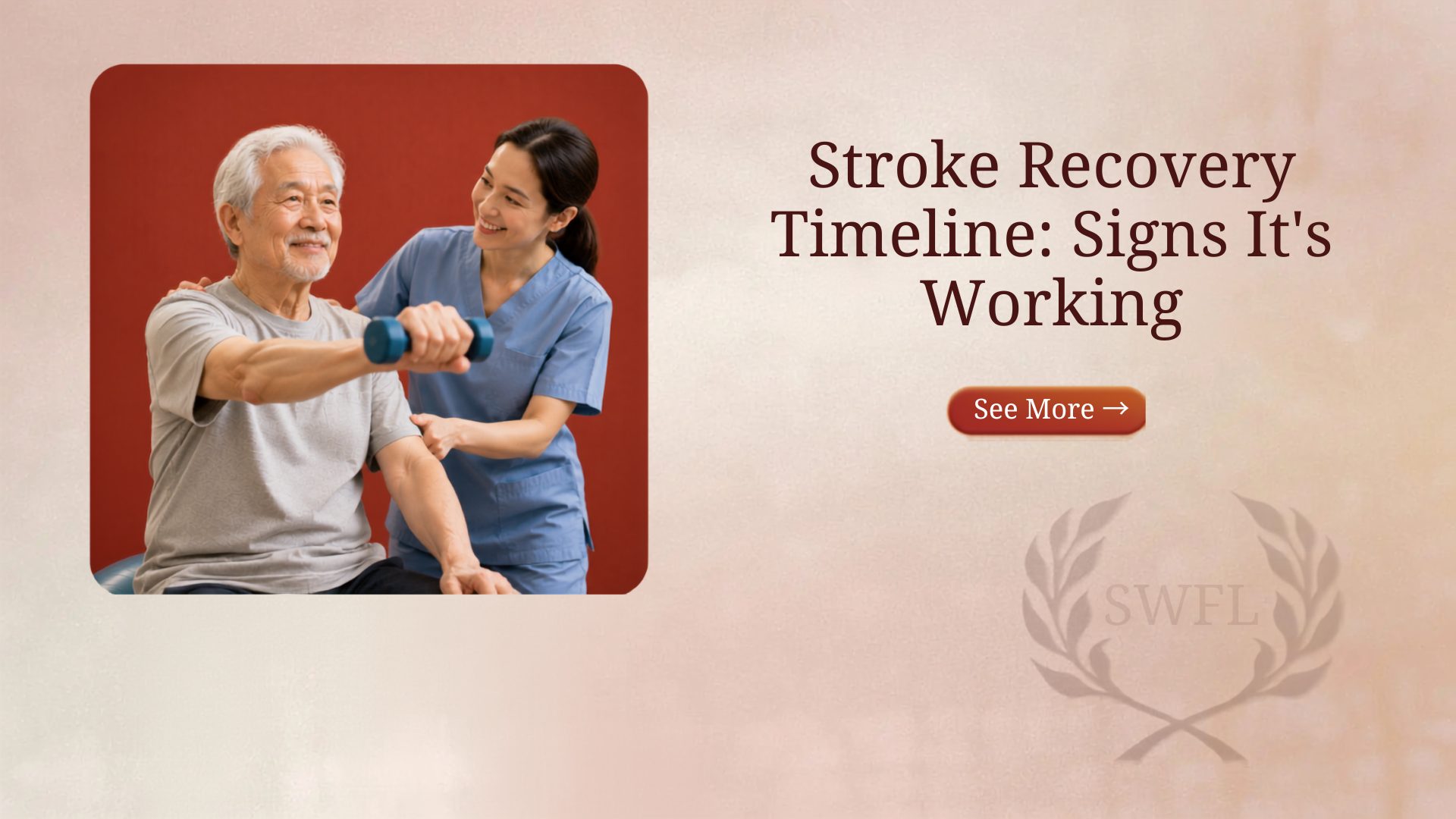
Physical Therapy
Physiotherapists work on such issues as:
- Gait
- Balance
- Muscular strength
- Coordination
- Occupational Therapy
Occupational Therapy
Occupational therapists assist patients with relearning daily activities like:
- Getting dressed
- Taking a shower or bath
- Eating meals
- Handling household items
- Speech Therapy
Speech Therapy
Speech-language pathologists treat:
- Communication problems
- Swallowing difficulties
- Cognitive issues
Such rapid progress occurs due to high brain plasticity during this period.
Stage 3: The Most Active Recovery Period (One to Three Months)
Many stroke patients find it the most productive period of their lives.
During this period:
- Neuroplasticity activity reaches its maximum
- Intensive treatment continues
- Functional recovery often takes place quickly
The patient often regains their:
- Mobility
- Speech abilities
- Ability to be independent
- Ability to think and concentrate better
Often, families observe progress weekly.
Stage 3 of the process of stroke recovery is considered one of the most productive ones since the brain forms new connections actively.
Stage 4: Continued Progress (Three to Six Months)
Recovery might seem like it’s taking more time than before, but meaningful improvements continue.
A patient recovering from a stroke will be concentrating on:
- Increasing endurance
- Improve coordination
- Gain self-confidence
- Resume past hobbies and activities with friends
During this stage, many people will go from inpatient rehabilitation to outpatient treatment or home-based therapy.
The improvements won’t be as great as they were during the previous months, but they will still be valuable.
Even minor improvements can make an immense difference when it comes to independence and overall life quality.
Stage 5: Long-Term Recovery (Six Months to Two Years and Beyond)
One of the most widespread myths surrounding stroke recovery is that it all stops at six months.
It’s quite the opposite; recovery can take years. The process itself might slow down, but the brain’s adaptability never decreases.
Long-term stroke recovery could be comprised of such elements as:
- Physical therapy
- Strength training
- Cognitive rehabilitation
- Speech therapy
- Community support services
Years after having had their stroke, people accomplish goals that once seemed unreachable.
Factors That Influence the Recovery From Stroke Timeline
No two stroke survivors share the exact same experience. There are various factors that will affect how fast someone recovers from a stroke.
Stroke Severity
It is easier to recover from a mild stroke than a severe one. Recovery from a severe stroke may take a longer time, and the effects may last for the victim’s entire life.
Location of Brain Damage
The brain has several regions that regulate different activities of the body. Depending on the area that the stroke affects, it impacts could be either movement or communication.
Age and Overall Health
While young people recover faster, age alone is not enough to guarantee recovery. Healthy individuals have better chances of recovery.
Speed of Treatment
Getting help early is one of the key factors that affects the rate of recovery from a stroke. Early treatment means there is less damage done to the brain.
Rehabilitation Intensity
Regular attendance at therapy sessions increases the probability of recovery. This is because the brain requires repetitive training.
Emotional Well-Being
Depression and anxiety are among the most common emotional conditions after a stroke. Supporting patients emotionally enhances their rate of recovery.
What Are Good Signs of Stroke Recovery?
Families often wonder, “What are good signs of stroke recovery?” While every case is unique, several indicators suggest positive progress.
Improvement in Movement
Sometimes, any progress in movement is positive, regardless of the degree of difficulty.
Some examples include:
- Movement of fingers/toes
- Ability to stand with help
- Balance improvements
- Increased capacity for walking
In many cases, these are clear signs that neurons are reestablishing connections.
Better Communication
Patients with speech difficulties can also display progress by:
- Communicating more coherently
- More effectively expressing thoughts
- Participating in conversations
- Enhanced comprehension
Gains in communication significantly increase independence and self-confidence.
Increased Independence
The ability to do daily tasks independently is an important sign of stroke recovery.
Such tasks may include:
- Getting dressed
- Feeding yourself
- Visiting the bathroom alone
- Handling chores at home
- Improvements in Cognitive Skills
Another sign might consist of:
- Improved memory
- Enhanced concentration
- Effective problem-solving
- Increased awareness
These improvements help to enhance the patient’s safety and quality of life.
Consistent Progress Over Time
Stroke recovery usually takes time. Consistent progress over time is a common sign of successful therapy.
Common Challenges During Stroke Recovery
Understanding possible barriers may be useful for the preparation of the families for the upcoming challenges.
Fatigue
Fatigue after a stroke is extremely widespread. Even minor actions can make people feel tired. Resting and energy management become key elements in recovery.
Emotional Changes
People might face:
- Frustration
- Anxiety
- Depression
- Mood swings
These reactions are normal and may be supported by professionals.
Muscle Tightness and Spasticity
There may be patients who suffer from muscle tension.
Special therapies and treatment plans may ease their symptoms.
Cognitive Difficulties
Some of them could include:
- Memory problems
- Slow processing speed
- Difficulty concentrating
Rehabilitation programs often tackle these problems.
The Role of Rehabilitation in Stroke Recovery
Rehabilitation goes beyond restoring physical abilities. It is about rebuilding a life.
Effective rehabilitation includes:
Physical Recovery
Through exercise, survivors regain:
- Strength
- Balance
- Mobility
- Coordination
Cognitive Rehabilitation
These activities help survivors develop:
- Memory
- Attention
- Decision making
- Problem solving
Emotional Assistance
The survivors receive mental help to deal with their:
- Fear
- Loss of independence
- New lifestyle
Social Reintegration
Survivors receive assistance to boost:
- Confidence
- Relationships
- Daily routine participation
Recovery is most successful when all these areas work together.
Lifestyle Habits That Can Improve Stroke Recovery Outcomes
Although medication and rehabilitation are crucial for recovery, the decisions made daily by the individual about nutrition, exercise, rest, and other activities can play a role in the speed and progress through the process of stroke recovery.
Recovery does not end once the daily rehabilitation is completed, since what happens outside of the rehab center may play an equally important role.
Nutrition Supports Brain Healing
A diet rich in nutritious foods is necessary for brain healing following a stroke. Fruits, vegetables, grains, lean protein sources, and healthy fats can promote recovery and good health.
Many stroke patients are recommended to consume diets that promote heart health due to the similarities between conditions that lead to stroke, such as hypertension, high blood cholesterol, and diabetes.
Consumption of enough liquids to prevent dehydration is essential for good energy levels and mental focus in the course of therapy sessions.
Exercise Reinforces Recovery
As approved by healthcare providers, regular physical activity can help survivors:
- Increasing muscle strength and mobility
- Promoting cardiovascular fitness
- Decreasing the risk of further strokes
- Improving mental and emotional state
- Increasing endurance levels for performing daily routines
Simple forms of physical exercise, like walking, stretching, or prescribed movement,s can also assist in achieving improvement over time.
Quality Sleep Aids Brain Recovery
Sleep often goes unnoticed while undergoing the process of stroke recovery, but it actually plays an important part in recovering from the illness. In fact, sleeping aids in the brain’s ability to process information, form neural connections, and retain memories.
The inability to get enough quality sleep might disrupt any attempt to recover from a stroke, as well as cause more daytime fatigue.
How Long Does It Take to Recover From a Stroke?
This question remains one of the most important concerns for survivors and families. The truth is that recovery differs greatly from case to case.
There are people who make a complete recovery within weeks after the incident. There are others who need months or even years to recover.
An average recovery schedule can be outlined below:
| Time After Stroke | Typical Recovery Focus |
| First 72 Hours | Stabilization and medical care |
| First Month | Early rehabilitation and mobility |
| 1 – 3 Months | Rapid neurological recovery |
| 3 – 6 Months | Continued functional improvement |
| 6 – 24 Months | Long-term rehabilitation and adaptation |
| Beyond 2 Years | Ongoing progress and maintenance |
Experts suggest focusing not on the final point but on steady improvements.
Recovery is estimated by means of gaining new skills, building up confidence, and regaining independence.
Supporting a Loved One Through Stroke Recovery
Family involvement plays a powerful role in rehabilitation success.
A caring caregiver can contribute to the successful treatment process through:
- Promoting the attendance of therapy sessions
- Acknowledging even the smallest achievements
- Offering a positive atmosphere at home
- Encouraging healthy behaviors
- Giving psychological support
Patience is critical in such situations since progress does not always occur on a daily basis.
Sometimes, progress becomes noticeable only after a longer period of time.
Going Beyond the Timeline
The timeline for recovery after a stroke is a helpful guide, but it should never be seen as a deadline. Rehabilitation cannot be scheduled on a calendar.
It sometimes happens that patients show significant results many months after they were expected. In addition, some of them demonstrate gradual progress, which eventually pays off. No matter how complicated recovery may seem, every therapy session, every movement gained back, and every new skill developed by a patient testify to the brain’s miraculous potential.
Knowing what phases are there to pass in the recovery process, what signs can show that you are getting better, and what is expected of your efforts and persistence can help make the journey easier.
Despite differences between recovery from stroke timelines of various patients, one thing should always be clear: the stroke recovery timeline differs from one person to another.