
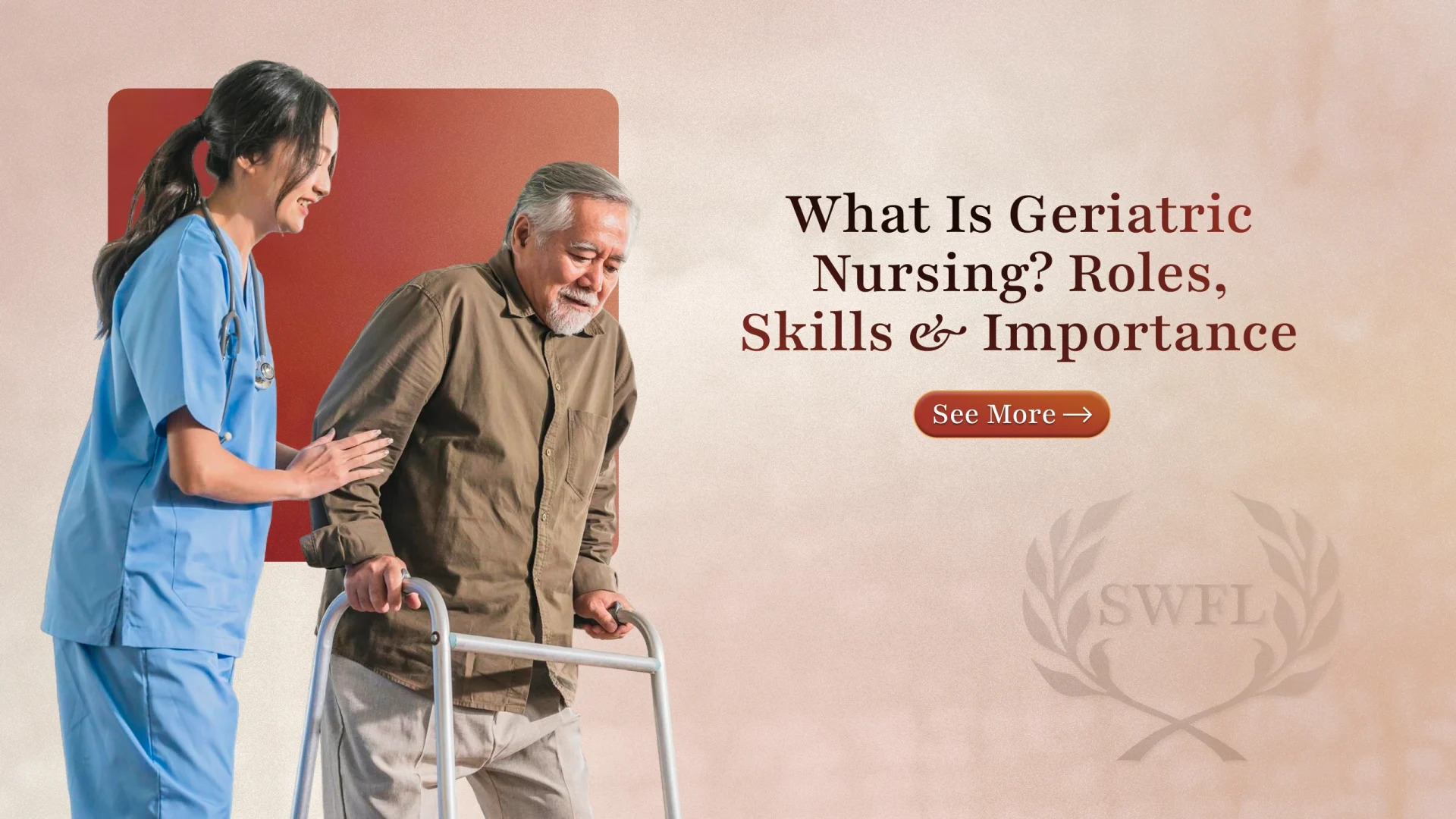
As the global population continues to age, the demand for specialized healthcare services tailored to older adults is rising rapidly. So, there is a strong need for medical services tailored specially for these elderly people.
Unlike usual nursing, this is a special practice based on specific features of old age and includes a whole set of actions aimed at providing appropriate care and improving patients’ conditions.
Geriatric nursing does not necessarily take place in clinics or hospitals. The work can be performed in such organizations as assisted living centers, retirement homes, private homes, etc.
This is an extremely relevant branch of medicine nowadays due to high rates of increased life expectancy.
This paper presents information about the essence of geriatric nursing, duties and skills required by a specialist, and the importance of geriatric nursing in modern times.
What Is Geriatric Nursing?
Geriatric nursing is a specialty within nursing practice where nurses provide care to the aging population, especially those who are aged 65 years and above. Care in geriatric nursing includes management of multiple medical, physical, psychological, and social problems associated with aging.
While nursing care in general entails the provision of healthcare services, geriatric nursing entails a more comprehensive nursing practice that considers all areas of healthcare for the patient.
At its core, geriatric nursing aims to:
- Fostering healthy aging of the elderly
- Management of various chronic disorders
- Caring for their psychological and emotional needs
- Helping patients maintain functional abilities
- Providing compassionate end-of-life care
The nursing branch specializes in the overall wellness of individuals. If you’ve ever wondered what is a geriatric nurse, the answer lies in specialized nursing professionals who understand the unique physical, emotional, and social needs of older adults while helping them maintain the highest possible quality of life.
Why Geriatric Nursing Matters More Than Ever
The need for nursing care of older people is growing at an unprecedented rate. While medical advancements have prolonged lifespans, they have also brought about new age-related diseases.
Aging people may need constant supervision, administration of medications, and help with performing everyday tasks. If not adequately supported, they risk experiencing deterioration in health and being admitted to hospitals.
Here’s why geriatric nursing is becoming indispensable:
- Growing Elderly Population: More individuals are surviving well into their seventies, eighties, and even nineties.
- High Prevalence of Chronic Diseases: Patients suffering from chronic diseases need constant supervision and observation.
- Increased Complexity of Health Problems: Changes in an aging body’s reactions make healthcare more complicated.
- Psychological and Social Support: Loneliness and isolation affect many older people.
Geriatric nurses play a crucial role in providing medical assistance and psychological support to aging patients.
What Is a Geriatric Nurse and What Do They Do?
If you’re wondering what a geriatric nurse does, the answer goes far beyond basic caregiving. The job of a geriatric nurse consists of much more than just providing basic patient care. Geriatric nurse responsibilities include monitoring the general state of an elderly patient.
Health Assessment and Monitoring
Routine assessment of the patient’s state of health and adjustment of treatment as necessary.
Medication Management
Proper administration of drugs prescribed to a patient and supervision of their intake.
Chronic Disease Management
Assistance to elderly patients with diabetes, hypertension, arthritis, and Alzheimer’s disease.
Mobility Assistance
Prevention of patient falls through appropriate movement management.
Personal Care Support
Helping patients with their personal hygiene, getting dressed, and so forth.
Emotional and Psychological Support
Assisting with emotional and psychological problems, including anxiety, depression, and loneliness.
Family Education
Providing family members with instructions on how to take proper care of their older relative.
End-of-Life Care
Providing services to patients in palliative care and at the end of their lives.
Geriatric nurses often act as coordinators, working with doctors, therapists, and caregivers to ensure seamless care.
What Does a Geriatric Nurse Do? Key Roles and Responsibilities
The duties performed by nurses in the geriatric field are complex and highly significant. They are not only caregivers; they are patient advocates, teachers, and companions.
Care Coordinator
Nurses work together with various health professionals to design care plans tailored to each patient.
Patient Advocate
These nurses make sure that all patient rights are respected, and their preferences are taken into account at any time.
Health Educator
They educate patients about managing illnesses, taking medications properly, dieting, and making other necessary adjustments.
Emotional Support Provider
Growing older often takes its toll on people emotionally; nurses provide comfort.
Safety Monitor
They monitor their patients for potential safety issues, such as falling, incorrect medication use, or memory problems.
Key Skills Required for an Elderly Care Nurse
A geriatric nursing professional should have a specific combination of hard and soft skills to manage challenges associated with caring for older patients.
Patience and Empathy
Some senior citizens may need more attention and patience owing to physical and mental difficulties.
Strong Communication Skills
Nurses need to communicate clearly with their patients, colleagues, and families.
Critical Thinking
Capacity to make quick decisions based on an assessment of various scenarios.
Attention to Detail
Even minor shifts in patients’ health can signal severe problems in elderly people.
Physical Stamina
Caring for patients with movement disorders and performing other activities is strenuous.
Adaptability
Each individual patient will require a specific and customized approach to nursing care.
Knowledge of Geriatric Conditions
Awareness of diseases related to old age, including dementia, osteoporosis, and Parkinson’s disease.
These skills enable nurses to provide effective and compassionate care.
Common Health Challenges in Elderly Patients
The nursing care of elderly patients often revolves around managing multiple health conditions simultaneously. Understanding these challenges is essential for effective care.
Physical Health Issues
- Chronic diseases like diabetes, heart disease, and arthritis
- Reduced mobility and risk of falls
- Sensory impairments (vision and hearing loss)
- Weakened immune system
Cognitive and Mental Health Issues
- Dementia and Alzheimer’s disease
- Depression and anxiety
- Memory loss and confusion
Social Challenges
- Loneliness and isolation
- Loss of independence
- Limited social interaction
Geriatric nurses address all these aspects through a comprehensive care approach.
Communication Challenges in Geriatric Care and How Nurses Overcome Them
Effective communication skills are a vital aspect of the nurse’s role when working with elderly patients, but sometimes, this process can be quite complicated.
Often, elderly patients suffer from hearing loss, memory problems, and cognitive impairments, which makes their interactions with others even harder.
Nurses working in the geriatric department have to adjust their approach to the process of communicating with their patients by taking into consideration all the factors mentioned above.
Common challenges include:
- Difficulties with hearing, which require slow, clear speech
- Cognitive problems that prevent understanding or remembering
- Emotional sensitivity because of feeling lonely or scared
- Different languages or cultures of the patients
To overcome these, nurses use strategies such as:
- Use eye contact and easy language for their patients to understand
- Repeat and rephrase information, if necessary
- Employ visual and written materials
- Involve family members to help patients
Strong communication ensures better patient outcomes and strengthens the overall nursing care of elderly patients.
Geriatric Nursing Care: Why Preventive Care Matters
Although geriatric nursing is largely concerned with the treatment of pre-existing illnesses, preventive care is as important in ensuring long-term benefits for older individuals. Preventive measures can go a long way towards decreasing the risk of further complications, including the need for hospitalization.
Geriatric nursing care involves prevention through health screening, immunization, and recommendations regarding nutrition and physical activity. Geriatric nurses have the advantage of paying attention to small details regarding the health condition of elderly patients.
Key preventive practices include:
- Health screening (cholesterol, blood pressure, bone mineral density)
- Fall prevention techniques and safe homes assessment
- Proper nutrition planning according to age
- Exercise recommendations according to one’s mobility
- Monitoring of cognitive functions to spot any abnormalities
Prevention allows an elderly care nurse to maintain the patient’s quality of life while avoiding health problems.
Where Do Geriatric Nurses Work?
Geriatric nursing is not confined to one setting. These professionals work in various environments depending on patient needs.
Common Work Settings
- Hospitals
- Assisted living facilities
- Retirement communities
- Nursing homes
- Home healthcare services
- Rehabilitation centers
Each setting presents unique challenges and opportunities, requiring nurses to adapt their care strategies accordingly.
The Growing Demand for Geriatric Nursing
The healthcare industry is witnessing a surge in demand for geriatric care professionals. Due to the aging population, there will continue to be an increased demand for geriatric nursing services.
Based on global trends in healthcare, the number of seniors will double within the next few decades. It creates a significant demand for qualified geriatric nurses in all healthcare facilities.
For those considering a career in nursing, this specialization offers:
- High job stability
- Diverse work opportunities
- Meaningful patient relationships
- Opportunities for career growth
Geriatric nursing is not only a profession but a long-lasting and fulfilling career choice.
Effective geriatric nursing care goes beyond treating illnesses by focusing on prevention, personalized support, and promoting independence throughout the aging process.
How Geriatric Nursing Improves Quality of Life
Ultimately, geriatric nursing aims to improve the quality of life of patients. While providing medical treatment is essential, nurses strive to create a comfortable atmosphere for older people.
Geriatric nurses help patients:
- Remain independent for as long as possible
- Control their chronic conditions efficiently
- Socialize with other people regularly
- Have compassionate end-of-life care
Their work ensures that aging is not just about living longer, but living better.
Technology in Geriatric Nursing: Transforming Elderly Care
Technology plays an important role in influencing the future of geriatric nursing practice. The application of technology makes the provision of care more efficient and personalized.
Advanced equipment helps track patients’ blood pressure, pulse, medication compliance, and physical activity in real time. It allows for timely intervention when needed and ensures patient safety.
Some key technological advancements include:
- Telehealth services for remote consultations
- Wearable medical gadgets that can record heart rate, sleep quality, and physical activity
- Electronic medical records
- Smart home technologies that help detect emergencies and potential falls
Technology innovations for geriatric nurses make the job easier since much of the data is collected automatically. It allows nurses to provide more personalized care.
Geriatric Nursing and Modern Senior Living Communities
Modern retirement and senior living communities are redefining how elderly care is delivered. This environment is meant to promote independence while offering professional assistance whenever necessary.
In such communities, geriatric nurses play a vital role by:
- Assessing residents’ health status
- Coordinating with other healthcare professionals
- Encouraging healthy living practices
- Offering emergency care services
Retirement and aging care facilities such as SWFL Retirement Centers aim at fostering a balance between comfort and socialization.
Understanding what does a geriatric nurse does helps families appreciate the wide range of responsibilities involved, from managing chronic conditions to providing emotional support and coordinating comprehensive senior care.
Is Geriatric Nursing the Future of Healthcare?
With the rapid aging of the global population, geriatric nursing is not only a special area anymore, but also a basic part of the healthcare system of every country.
Specialists realize the significance of caring for older patients, and this is why many initiatives and investments related to their training, facilities, and living are taken into consideration.
Consequently, geriatric nursing will be the factor determining the development of the healthcare sphere and making sure that elderly patients get proper care and treatment.
Learning more about geriatric nursing, one can notice that it is an important practice that helps make people feel better.