
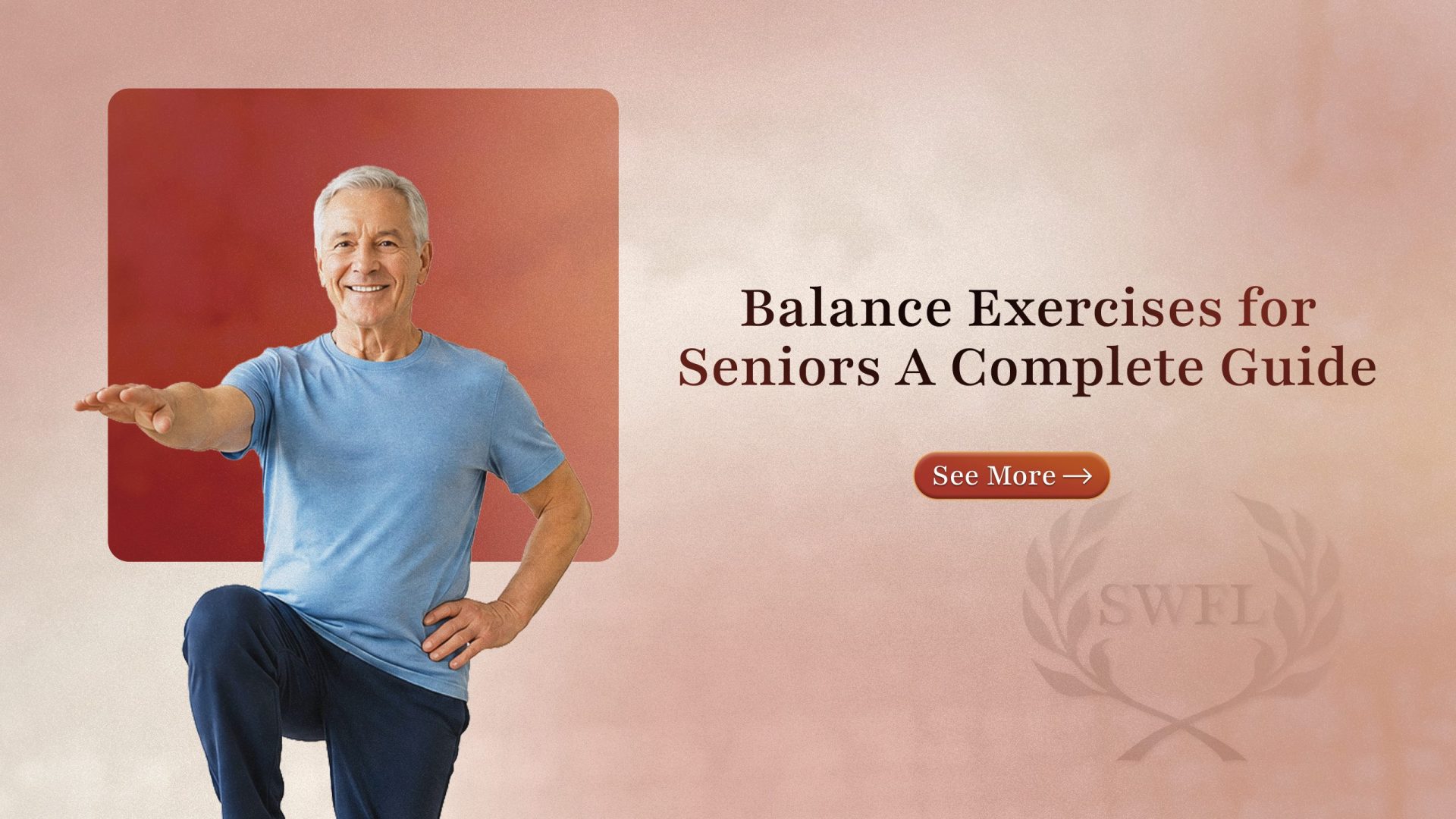
Aging changes the body in ways most people do not notice immediately. Climbing the stairs will leave one’s legs feeling weaker. Getting out of one’s chair might require a bit more strength than before. Moving on uneven ground becomes challenging. All of these factors have something in common. Balance.
The ability to maintain balance has such significance beyond simply avoiding falling. Maintaining proper balance influences one’s independence, mobility, self-confidence, posture, and mental state. People who are in good balance throughout their lives are able to lead an active lifestyle and go out and socialize even more easily.
It should also be noted that balance can be trained at all ages. Human bodies adapt very quickly to physical activity and exercise. Everyday routines can help in building one’s muscle mass and improving balance skills.
This is why balance training for seniors becomes such an integral component of aging today. Regardless of whether an older adult lives alone, with family, or in a retirement facility, they can practice their balance skills on a regular basis.
Why Balance Becomes More Difficult With Age
Balance is controlled by several body systems operating together. These systems that assist in balance are vision, muscle power, joint flexibility, reflexes, and the ear system.
However, with aging, there is a gradual loss of function of these systems.
Common age-related changes that affect balance include:
- Reduced leg and core strength
- Decreased reflexes
- Stiff joints
- Declining vision
- Ear system alterations
- Medications leading to dizziness
- Diseases like arthritis or peripheral neuropathy
- Physical inactivity
The majority of older adults tend to become physically inactive as they develop a fear of falling. However, this causes even more weakness in their muscles and thus a greater risk of falls.
That cycle could be broken by performing specific balance exercises for seniors.
Why Balance Exercises Matter More Than Most Seniors Realize
Falls are a major cause of injuries in older people. Fall-related injuries include bone breaks, admission to hospitals, loss of independence, and mental trauma.
However, the consequences do not end there.
Once an elderly person falls, he or she often shies away from movement entirely. They stop venturing outdoors, reduce social interaction, and even avoid moving on their own. This leads to negative effects on their psychological well-being as well.
Balance exercises bring numerous advantages beyond just balancing.
Benefits of Balance Exercises for Seniors
- Enhances coordination and body posture
- Strengthening of legs and abdominal muscles
- Increased confidence when walking
- Decreased fall risks
- Increased mobility
- Good joint health
- Improvement in reaction times
- Promotes independence
- Aids elders in staying active longer
Just a few minutes of exercise each day can result in positive changes after several weeks.
Safety Tips Before Starting Balance Exercises
Before beginning an exercise program, seniors need to put safety above all else. Balance exercises should test balance, but never put them in a situation that would be risky.
Here are some important tips:
Create a Safe Exercise Space
Pick a space that has:
- A non-slip floor
- Sufficient lighting
- Not much clutter
- An easily accessible chair or countertop for support
- Wear the Right Shoes
Stable footwear will help avoid slips. Slippery slippers or socks on smooth surfaces are best avoided.
Start Slowly
There will be exercises that will initially be hard to do. This is not uncommon. Gradual progress is key.
Use Support When Needed
Grabbing hold of a chair, rail, or wall is absolutely fine. Balance improves gradually when repeated.
Stop If Symptoms Occur
Dizziness, chest pains, or other symptoms should prompt an immediate stop and a visit to a doctor.
Best Balance Exercises for Seniors
Below are the balance exercise programs designed for the elderly, which include stability, coordination, and strengthening exercises that do not need any apparatus.
Heel-to-Toe Walk
Heel-to-toe walking helps improve coordination and body stabilization when walking.
Steps
- Stand straight in front of a solid surface, like a wall, for support.
- Put one leg directly in front of another.
- Your heel should be touching the toes of your other leg.
- Proceed walking in a straight line slowly.
- Repeat for 10-20 times.
Benefits
- Improve your coordination
- Promote stability when walking
- Strengthen muscles
The heel-to-toe walking exercise program is highly recommended since it involves a situation where balance is required while walking.
Single Leg Stand
Single-leg standing helps build balance and strengthen your balancing muscles.
Steps
- Stand behind a chair for support.
- Support yourself on the chair gently by putting your hand on it.
- Lift one of your legs and stay in this position for 10-20 seconds.
- Do on another leg.
Tips
- Maintain proper posture
- Avoid leaning
- Gradually increase holding time
Although this exercise might seem easy, it really promotes balanced reactions in your body.
Sit-to-Stand Exercise
The exercise tones the legs, hips, and core muscles.
Steps
- Position yourself in a chair.
- Rest your feet flat on the ground.
- Rise from the seat while avoiding hands.
- Sit again gently.
- Repeat it 10 – 15 times.
Benefits
Many falls occur during transitions such as rising from a sitting position or sitting down. The exercise improves functional movement abilities required in daily activities.
Side Leg Raises
Hips that are strong help maintain stability and walking balance.
Steps
- Get behind a chair.
- Use it for support.
- Slowly raise one leg sideways.
- Keep toes pointing forward.
- Lower slowly and repeat.
- Repeat for 10-15seconds for each leg.
The above old age balance exercises tone the outer hip muscles, which play a significant role in reducing lateral falls.
Marching in Place
The marching in place exercise enhances coordination and rhythm abilities.
Steps
- Stand straight, close to support.
- Lift one knee as far up as possible.
- Perform alternatively with both knees.
- March for 30 to 60 seconds.
Benefits
- Increases coordination
- Improves circulation
- Builds hip and thigh muscles
Including the arms makes the exercise a bit more difficult.
Toe Raises
Poor ankle health leads to a lack of balance. Toe raises build leg muscle power and balance control.
Steps
- Find a chair to lean against.
- Gradually elevate on your toes.
- Hold the position for a few seconds.
- Lower yourself gradually.
- Repeat it 10 to 15 times.
It ensures that senior citizens walk steadily.
Heel Raises
Heel raises help build leg muscle strength at the front of your body.
Steps
- Begin by standing up straight with some support handy.
- Raise toes upwards while keeping heels firmly planted on the ground.
- Hold in that position.
- Gradually lower yourself.
Benefits
Strong ankles promote better balance when walking and are less likely to stumble or fall.
Shifting Weight
Shifting weight helps your body learn how to maneuver while walking or turning.
Steps
- Stand up with your legs shoulder-width apart.
- Shift body weight from side to side.
- Stay there for a few seconds.
- Then shift to the opposite side.
Benefits
- Better body awareness
- Good coordination
- Greater stability confidence
This exercise is among the easiest ones for elderly people to perform.
Back Leg Raises
This exercise targets the gluteal muscles and lower back.
Steps
- Grab a chair.
- Raise one leg backward gradually.
- Maintain a straight posture.
- Perform the exercise with both legs.
Benefits
- Improves posture
- Aids in walking balance
- Enhances core stability
Ensure that you do not round your back during the exercise.
Clock Reach Exercise
This balance training routine improves coordination and body control.
Steps
- Pretend that you are standing in the middle of a clock.
- Balance yourself on one foot.
- Stretch out the other foot towards various numbers on the clock.
- Come back to the central point after each stretch.
Benefits
The activity develops dynamic balance skills, which involve balancing while moving instead of when stationary.
Tandem Standing
Tandem standing is an easy balance exercise for beginners.
Steps
- Position one leg right in front of the other.
- Use support if necessary.
- Maintain the stance for 20 to 30 seconds.
- Swap feet.
Benefits
- Improves posture control
- Develops stability
- Strengthens leg muscles
The exercise might be more difficult than expected.
Chair Yoga Balance Poses
Chair yoga consists of flexibility exercises, breathing exercises, and light balance practices.
Effective chair yoga poses include:
- Seated side stretches
- Marching while sitting
- Seated twists
- Tree pose with support
Chair yoga is suitable for seniors who have difficulty moving around or joint pain.
Walking on Different Surfaces
Learning to walk properly on grass, carpets, or mats prepares your body for varied terrain.
Remember This Important Point
Make sure that you always begin under the supervision of someone else.
Benefits
- Increases reaction speed
- Improves foot coordination
- Boosts confidence when outside
Such exercises can decrease anxiety about navigating uneven surfaces.
Step-Ups
Step-ups help develop strength and increase self-confidence when going up stairs.
Steps
- Find a small step-up board.
- Take the first step with one foot.
- Follow with the second foot.
- Take a step down.
Benefits
- Strengthen legs
- Develop coordination
- Facilitate everyday tasks
Always use low step-ups to stay safe.
Tai Chi for Balance
Tai Chi is a well-known exercise for elderly people due to its relaxed and controlled movements.
Studies show that Tai Chi has positive impacts on reducing falls and improving coordination in older adults.
Why Tai Chi?
- Improves awareness of the body
- Builds muscles that maintain stability
- Improves flexibility
- Favors mindful movements
Additionally, many elderly people find it relaxing to practice Tai Chi.
How Often Should Seniors Practice Balance Exercises?
Consistency is more important than intensity.
For the majority of older people:
- 20 to 30 minutes
- 3 to 5 times each week
Regular participation in short-term exercises will lead to noticeable results.
Examples of activities that should be included are:
- Strength training
- Flexibility training
- Walking
- Balance exercises
- Mobility exercises
Such routines will result in increased physical stability.
Signs of Improved Balance
The expectations for quick results among many seniors are high. In fact, balance becomes better gradually over time.
Some positive results are:
- Increased stability when walking
- Easier standing from a seated position
- Decreased fear of falling
- Improved posture
- Better confidence on stairs
- Reduced the number of stumbles or slips
These changes often appear within several weeks of consistent practice.
Common Mistakes Seniors Make During Balance Training
Some elderly people unknowingly undermine the effectiveness or safety of their balance exercise.
Moving Too Quickly
Balance exercises require controlled movements done slowly.
Skipping Warm-ups
Muscles that are cold become stiff and prone to injury.
Ignoring Posture
Poor posture alters the person’s center of gravity and balance.
Holding Breath
Proper breathing during balance exercise helps relax the body.
Too Much Too Soon
Doing too much too soon may result in overtraining, leading to soreness or frustration.
When Should Seniors Seek Professional Guidance?
Although most balance exercises are safe at home, some conditions call for expert consultation.
These include:
- Regular falling
- Excessive dizziness
- Unexplained loss of balance
- Neuropathy
- Extreme weakness
- Recovering from surgeries or strokes
Professional guidance can create a customized program based on individual needs.
The Connection Between Strength and Balance
Coordination isn’t everything in terms of balance. Muscle strength counts too.
Inadequate strength makes quick responses to the loss of balance difficult. Therefore, many balance exercises for the elderly not only target balance but also enhance the:
- Legs
- Hips
- Ankle joints
- Core
This helps in improving movement control.
The Role of Emotional Confidence
Another factor worth mentioning is emotional confidence.
After falling once or twice or getting injured, most seniors hesitate. This affects their gait and increases their instability.
However, with time, both confidence and coordination will be regained.
Regular practice of balance exercises may help the seniors:
- Walk more confidently
- Participate in various activities
- Leave their homes more frequently
- Reduce dependency on others
That emotional freedom matters just as much as physical improvement.
Making Balance Exercises Part of Daily Life
The most effective workout programs are those that people actually adhere to.
Here are some easy tips for incorporating balance training into your routine each day:
- Heel-to-toe walking in corridors
- Standing on one foot while brushing your teeth
- Marching in place during TV commercial breaks
- Incorporating sit-to-stand exercises
- Walking each day
Little actions have huge consequences over time.
Balance Training Is About More Than Fall Prevention
While most people link balance exercises only with fall prevention, balance is involved in almost all body movements.
Balance helps with maintaining independence, moving freely and comfortably, interacting socially, feeling empowered and self-assured, staying mentally sharp, and physical well-being.
For older individuals, better balance means living actively and enjoying their golden years without worry or restriction.
The body may grow old, but movement is incredibly powerful. With consistent training, patience, and safety precautions, seniors can gain more stability and live actively and confidently for decades to come.