

There’s a reason dogs end up becoming part of the family so quickly. One minute, you’re thinking, “Maybe I should get a dog.” A few months later, you’re talking to them while making breakfast, saving the best spot on the couch for them, and wondering why they suddenly need to go outside at 6:15 in the morning.
For older adults, that companionship can be especially meaningful. A dog can add a little structure to the day, encourage you to get outside, and make an otherwise quiet home feel much more alive.
But there’s a catch. Not every dog fits every lifestyle.
That fluffy puppy at the shelter may look irresistible, but puppies come with accidents, training, chewing, and a surprising amount of energy. A big, powerful dog might be wonderfully gentle but difficult to handle if it decides to chase a squirrel during a walk.
So, when you’re looking at the best dog breeds for seniors, don’t just ask which dog is cute.
Ask which dog can comfortably keep up with your life.
What Actually Makes a Good Dog for Seniors?
Let’s get one thing out of the way first: there is no magical “senior dog.” A breed that is perfect for one older adult might be completely wrong for another.
A retired person who hikes every weekend may find a Beagle wonderfully energetic. Someone with limited mobility may find that same energy exhausting. Someone else may love a tiny Pomeranian, while another person would go crazy listening to it bark at every sound outside the window.
That’s why the best dog for elderly people usually comes down to a handful of practical things.
Exercise – Think about how much exercise you can realistically provide. Not what you used to do. Not what you hope you’ll start doing next month. Your actual routine.
Size – Could you safely hold the leash if your dog suddenly pulls? Is it easy for you to lift the dog if necessary?
Grooming – A dog that doesn’t shed much isn’t necessarily a low-maintenance dog. Poodles, Bichons, and Shih Tzus, for example, can still need plenty of coat care.
Cost – Veterinary bills, food, medications, pet-sitting, and what happens if you’re sick for a few days.
Those details aren’t nearly as exciting as choosing a dog name. They’re also the things that make the difference later.
10 Best Dog Breeds for Seniors
- Cavalier King Charles Spaniel – Cavalier
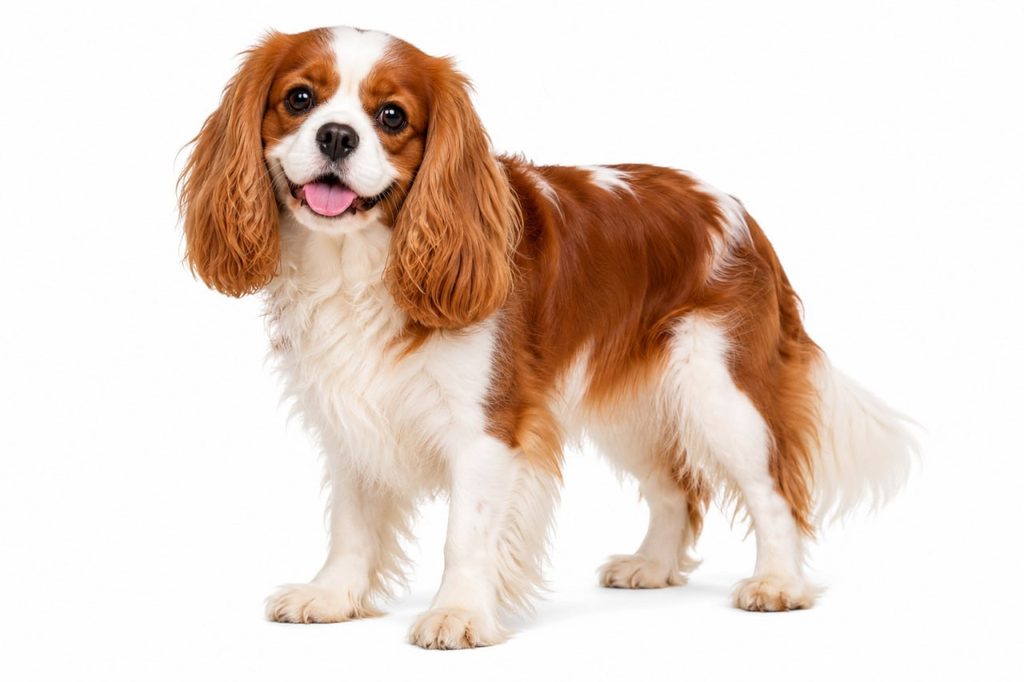
The Cavalier is the kind of dog that seems happiest simply being near you.
That easy companionship is a big part of the Cavalier’s appeal. They’re affectionate, generally gentle, and enjoy human interaction without requiring the level of exercise you’d expect from a working breed.
They still need daily walks and playtime, of course. But for someone who wants a dog that can enjoy an outing and then happily settle down at home, the balance can work beautifully.
They’re also small enough for many homes and apartments.
One thing prospective owners shouldn’t overlook is health. Cavaliers can be susceptible to several inherited health conditions, so regular veterinary care and responsible breeding are particularly important.
Still, for someone searching for the best dogs for seniors, the Cavalier deserves a serious look.
- Miniature Poodle – Toy
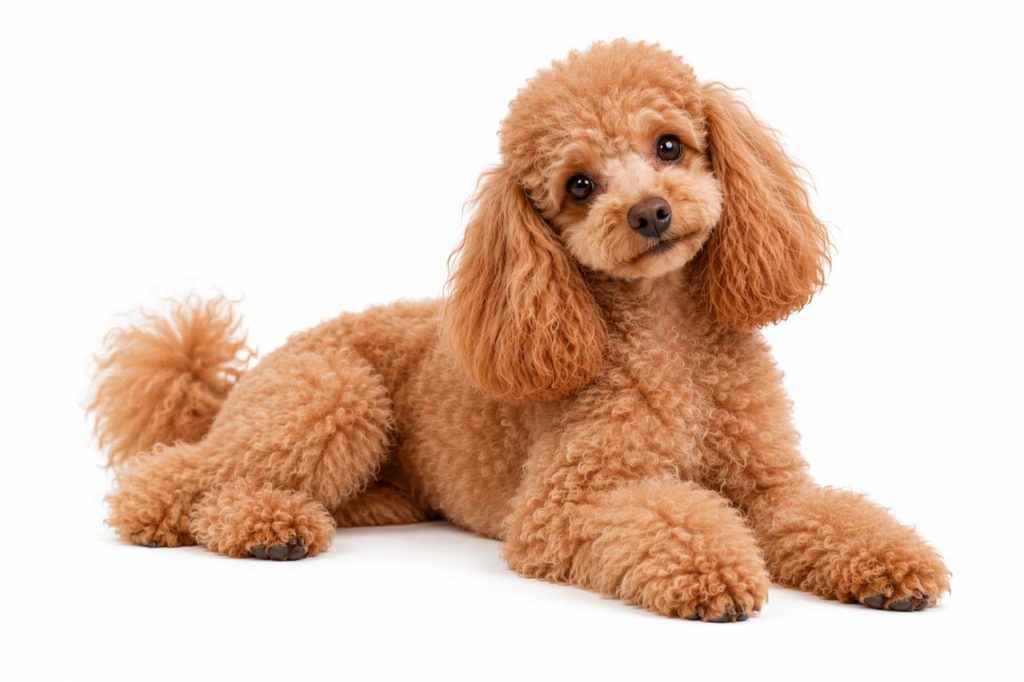
Poodles have a reputation for being fancy.
They’re also ridiculously smart.
Toy and Miniature Poodles tend to learn quickly and often enjoy training. Teaching a new trick isn’t just something cute to show your grandchildren, it can also give mental stimulation to the dog.
They’re also known for their low-shedding coats, which is a huge plus if you don’t want to spend your life vacuuming dog hair.
But the important part people sometimes forget is that the coat doesn’t take care of itself.
Poodles need regular brushing and grooming. Depending on the haircut and your own routine, professional grooming may become a regular expense.
They’re also not the best choice for someone who wants a dog that does absolutely nothing all day. Their brains need something to work on.
For the right person, though, a Poodle can be one of the best dog breeds for seniors. Particularly if you enjoy interaction, training, and a dog with a little personality.
- Shih Tzu – Lion Dog
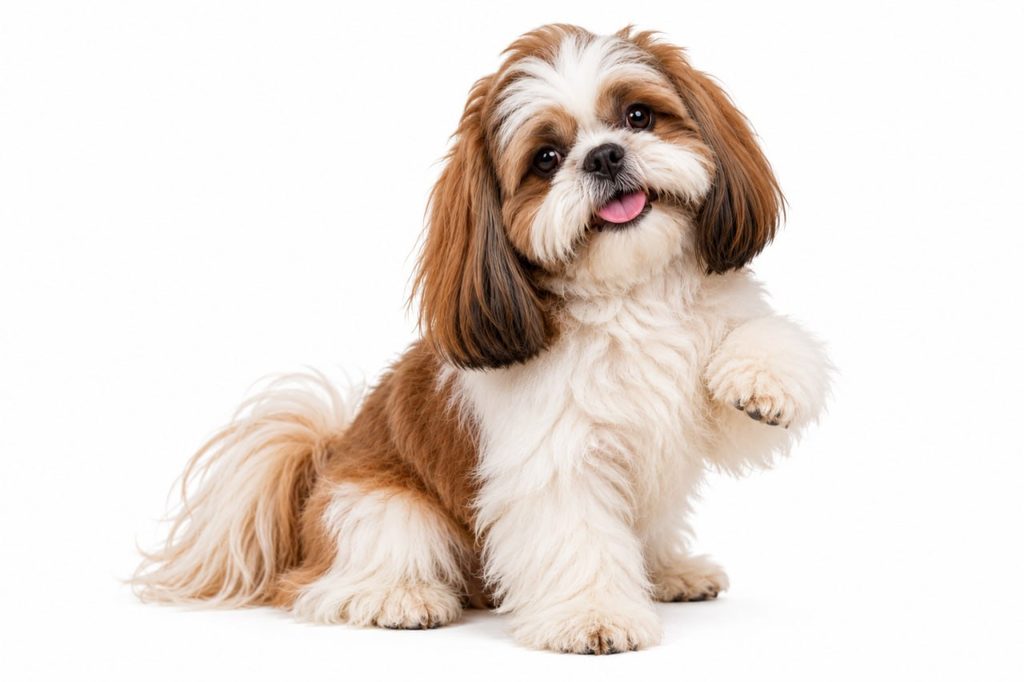
If your perfect afternoon involves a cup of tea, a comfortable chair, and a small dog sitting beside you, the Shih Tzu might understand the assignment.
The breed was developed primarily as a companion, and it shows.
Often called the “Lion Dog,” the Shih Tzu is generally affectionate and adaptable. It doesn’t need a giant backyard or hours of running to be happy.
A few walks, some playtime, and plenty of companionship can be enough for many Shih Tzus. That makes them particularly appealing to older adults living in apartments, condos, or smaller homes.
Their coat is the part that needs some planning. Long hair requires regular brushing and grooming, so many owners opt for a shorter cut. And honestly, that’s probably easier for everyone.
For someone looking for the best dogs for older people, the Shih Tzu offers a nice combination of manageable size and companionable personality.
- Maltese – The Ancient Lapdog
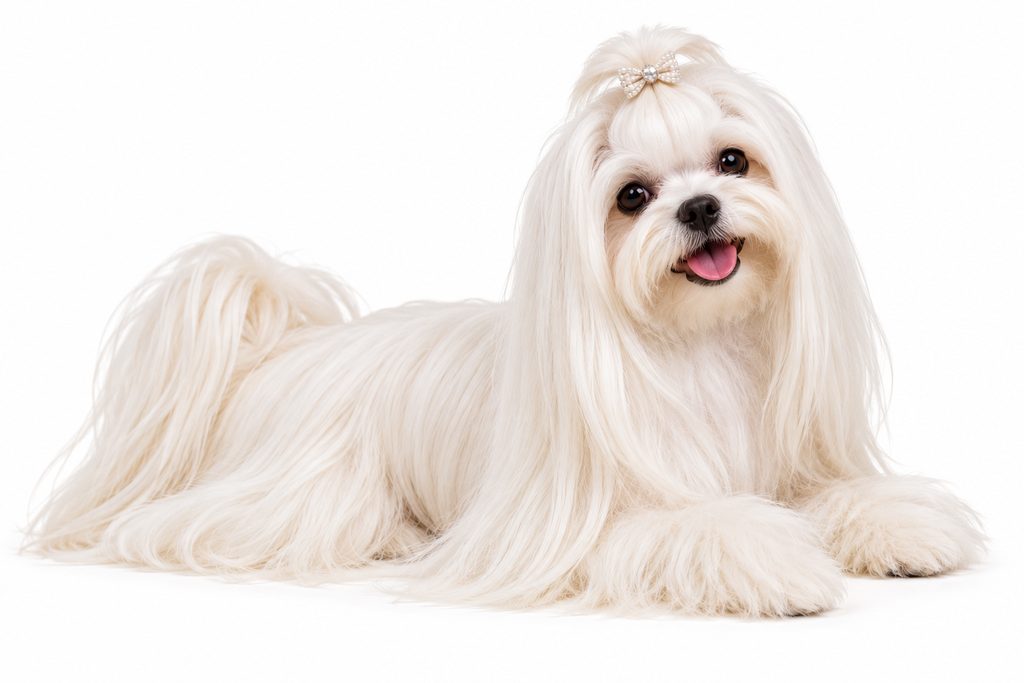
The Maltese has been charming people for a very long time.
This tiny white dog has a history as a companion, and its size makes it particularly convenient for smaller homes.
Maltese dogs can be playful and lively, but they don’t need the kind of exercise that a large sporting or working breed might demand. They can get plenty of activity from short walks and play sessions.
Their coat is another matter. That beautiful silky hair needs regular attention. If you’re not interested in spending time brushing it, a shorter trim can make everyday life considerably easier.
Their small size can also make them vulnerable around large, boisterous dogs, so supervision is important.
Still, if you’re looking for a tiny companion that wants to be part of your everyday life, the Maltese is one of the good dogs for seniors worth considering.
- Bichon Frise – Bichon
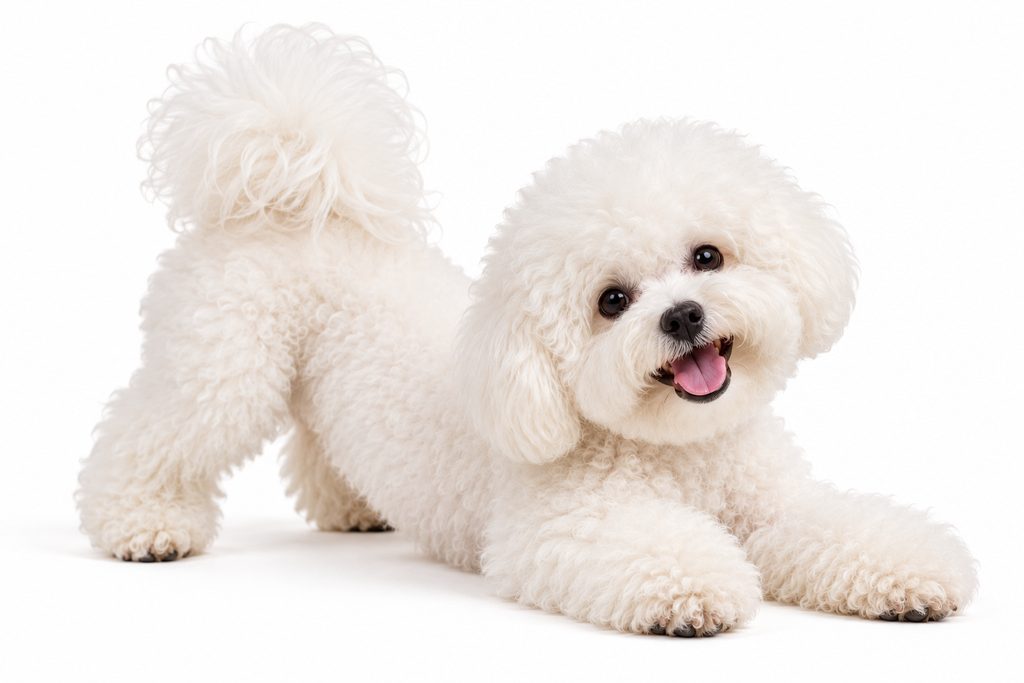
The Bichon Frisé is difficult to describe without mentioning how cheerful these dogs tend to look.
They’re small, social, playful, and often very people-oriented.
That can be particularly nice for an older adult who enjoys having visitors. Instead of hiding in another room, a Bichon is likely to want to know exactly what’s happening.
They can also work well in smaller homes.
Like several dogs on this list, their low-shedding coat comes with a catch. Regular brushing and professional grooming are part of the deal.
But if you don’t mind that little bit of maintenance, a Bichon can bring a lot of personality into the household.
And sometimes that’s exactly what you’re looking for, not a dog that simply sits quietly in the corner, but one that feels like part of the family.
- French Bulldog – Frenchie
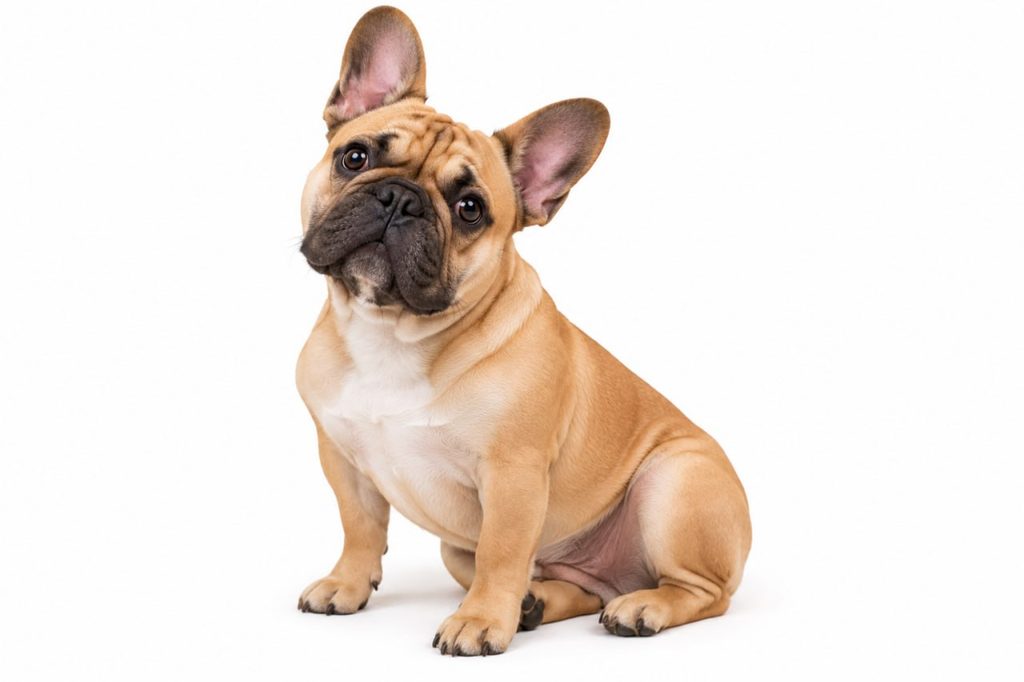
The Frenchie has perfected the art of relaxation.
They’re generally not built for long-distance running, and most would probably prefer a short walk followed by a comfortable place to lie down.
For some older adults, that sounds perfect. Their compact size can also make them practical for apartment living.
But this is where you need to look past the cute face.
French Bulldogs can have significant health issues related to their flat-faced structure, including breathing difficulties. Veterinary care can therefore be more complicated, and potentially more expensive than with some other breeds.
So yes, a Frenchie may have an appealing energy level for seniors. But don’t choose one solely because it doesn’t need marathon-length walks. Know what you’re signing up for.
- Beagle – Snoopy
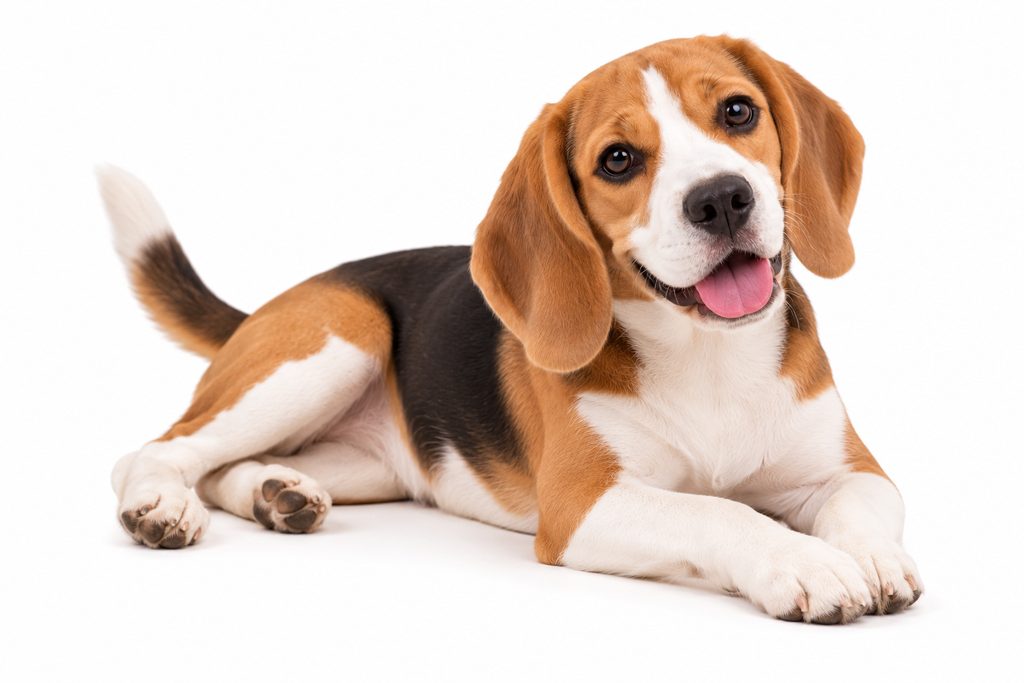
Here’s the dog everyone knows. Or at least the cartoon version.
The Beagle is the breed behind Snoopy, although real-life Beagles are much more interested in following scents than sleeping peacefully on top of a doghouse.
They’re curious, friendly, energetic, and playful. If you’re the kind of person who already enjoys walking every morning, that’s a good thing. A Beagle can give you a reason to get your shoes on even when the weather isn’t particularly inspiring.
There is one problem. Their noses are powerful. A Beagle can catch an interesting scent and suddenly become very determined to investigate it. Good leash habits and secure outdoor areas are important.
For an active senior, though, that energy can be a feature rather than a flaw. If you’re looking for the best dogs for seniors and still enjoy being outdoors, don’t automatically cross the Beagle off your list.
- Pomeranian – Pom
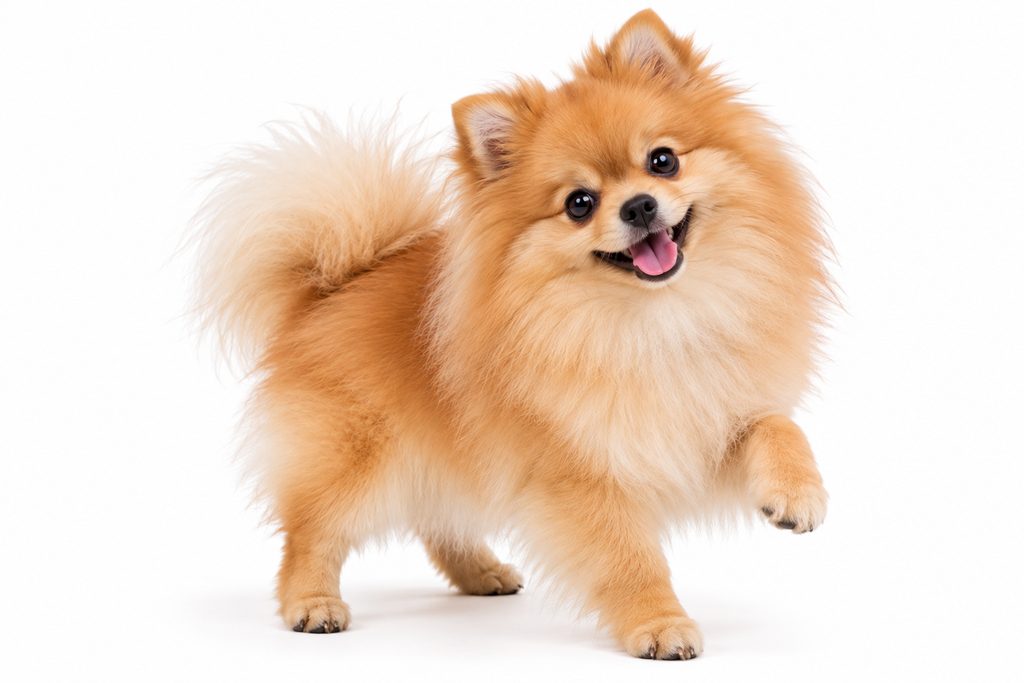
Pomeranians have absolutely no interest in acting their size.
They’re tiny. Their personalities are not. Often called Poms, these little dogs are alert, curious, lively, and usually very attached to their owners. Their size is obviously convenient. They can be comfortable in smaller homes, and indoor play can provide quite a bit of activity.
But there’s something you should know before falling for those fluffy faces: Pomeranians can be loud.
If someone walks past the door, a package arrives, or they hear an unfamiliar noise, your Pom may feel personally responsible for announcing it.
Their coat also needs regular brushing. So they’re not necessarily the right choice for someone looking for a completely quiet, maintenance-free companion. But if you want a tiny dog with a giant personality, the Pom can be a lot of fun.
- West Highland White Terrier – Westie
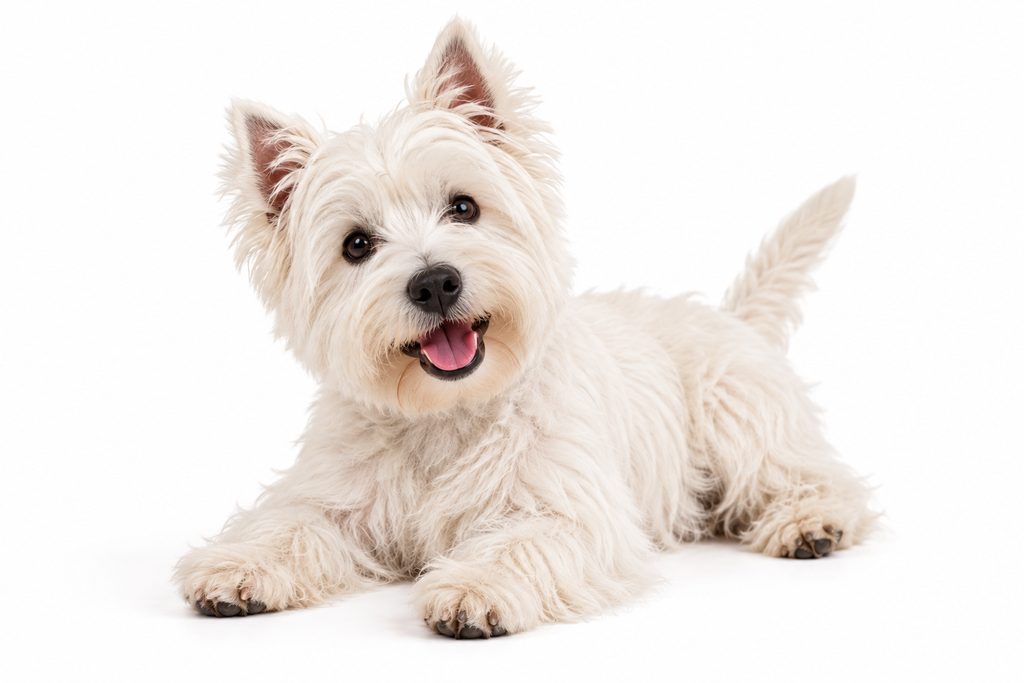
The Westie is small, but don’t expect it to behave like a stuffed toy.
These little terriers are confident, curious, and energetic. They enjoy walks and playtime, and they’re often perfectly happy exploring their surroundings.
That independent streak can be a nice quality. A Westie doesn’t necessarily need to be attached to you every second of the day.
Of course, independence can occasionally translate into stubbornness. Terriers have opinions. Training and boundaries still matter, particularly if you want to avoid your Westie deciding that every interesting smell or squirrel deserves immediate investigation.
For an older adult who wants a small dog but doesn’t want a completely sedentary companion, the Westie can be a great middle ground.
- Cardigan Welsh Corgi – Cardi
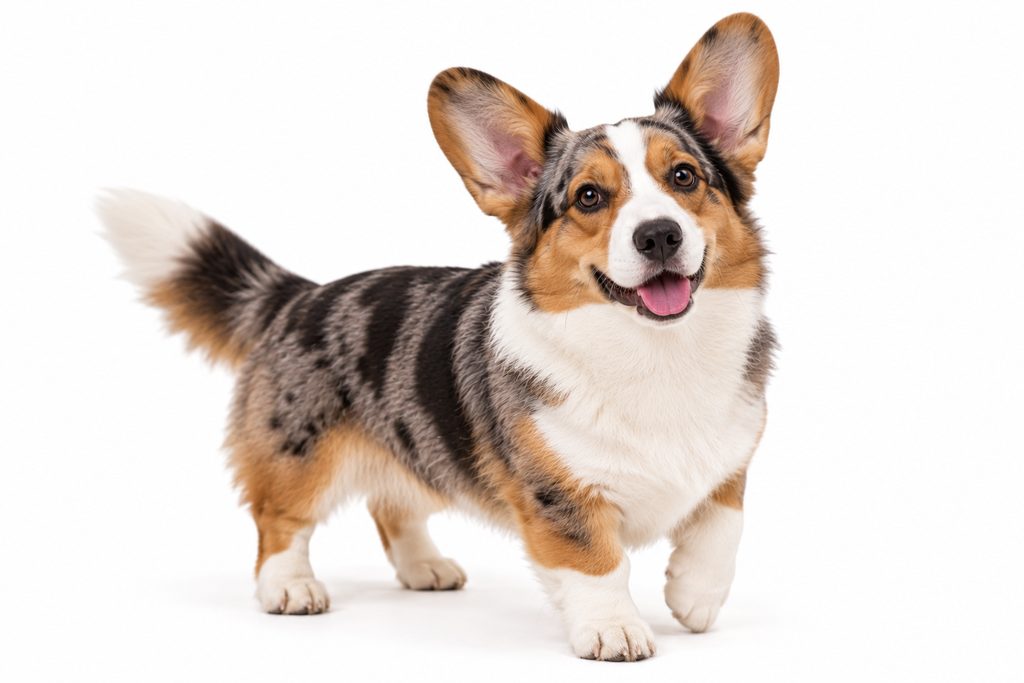
The Cardigan Welsh Corgi, or Cardi, is probably the least “lapdog” option here. And that’s exactly why some seniors might love one.
Cardigans are intelligent, affectionate, sturdy, and active. They’re larger and more substantial than toy breeds without being a giant dog that’s difficult to handle physically.
They enjoy walks and activities that make them think. That’s important because a Corgi that gets enough physical and mental stimulation can be a fantastic companion. A bored Corgi, however, may decide to entertain itself.
And you may not appreciate its choice of entertainment. If you’re an active senior who wants a walking buddy rather than a couch ornament, the Cardi could be worth considering.
Don’t Automatically Rule Out an Older Rescue Dog
Here’s one piece of advice that can save you a lot of work: You don’t have to get a puppy. Puppies are adorable. They’re also messy, demanding, and occasionally exhausting. There’s house training. Chewing. Nighttime crying. Training sessions. Accidents. More chewing.
An adult dog can be a completely different experience. With an older rescue, you may already know what you’re getting. Is the dog calm? Does it like people? How does it behave around other animals? Is it comfortable walking on a leash?
Those answers are much harder to predict with a puppy. And don’t become too focused on purebred dogs, either. That quiet mixed-breed dog sitting in a shelter may turn out to be the perfect companion.
When you’re searching for the best dog for elderly people, the individual dog in front of you can matter far more than its breed label.
The Best Dog Isn’t Necessarily the “Best” Breed
The best dogs for older people aren’t all going to look alike.
One person might fall completely in love with a Cavalier. Another might be happier with an energetic Beagle. Someone living in a small apartment might find a Shih Tzu much easier to manage.
And someone else might walk into a shelter and meet a mixed-breed dog that immediately feels like home. That’s the thing about dogs. You can read breed descriptions for hours, make spreadsheets, compare exercise requirements, and debate grooming costs.
Then one dog looks at you. And somehow, the spreadsheet stops mattering quite so much.
So when you’re searching for the best dog breeds for seniors, start with your lifestyle. Be honest about what you can handle, think about what you want from a companion, and don’t be afraid to consider an adult or senior dog.
The right dog isn’t necessarily the smallest, quietest, or most popular one. It’s the one whose needs fit naturally into your life, and who makes that life feel just a little warmer.