
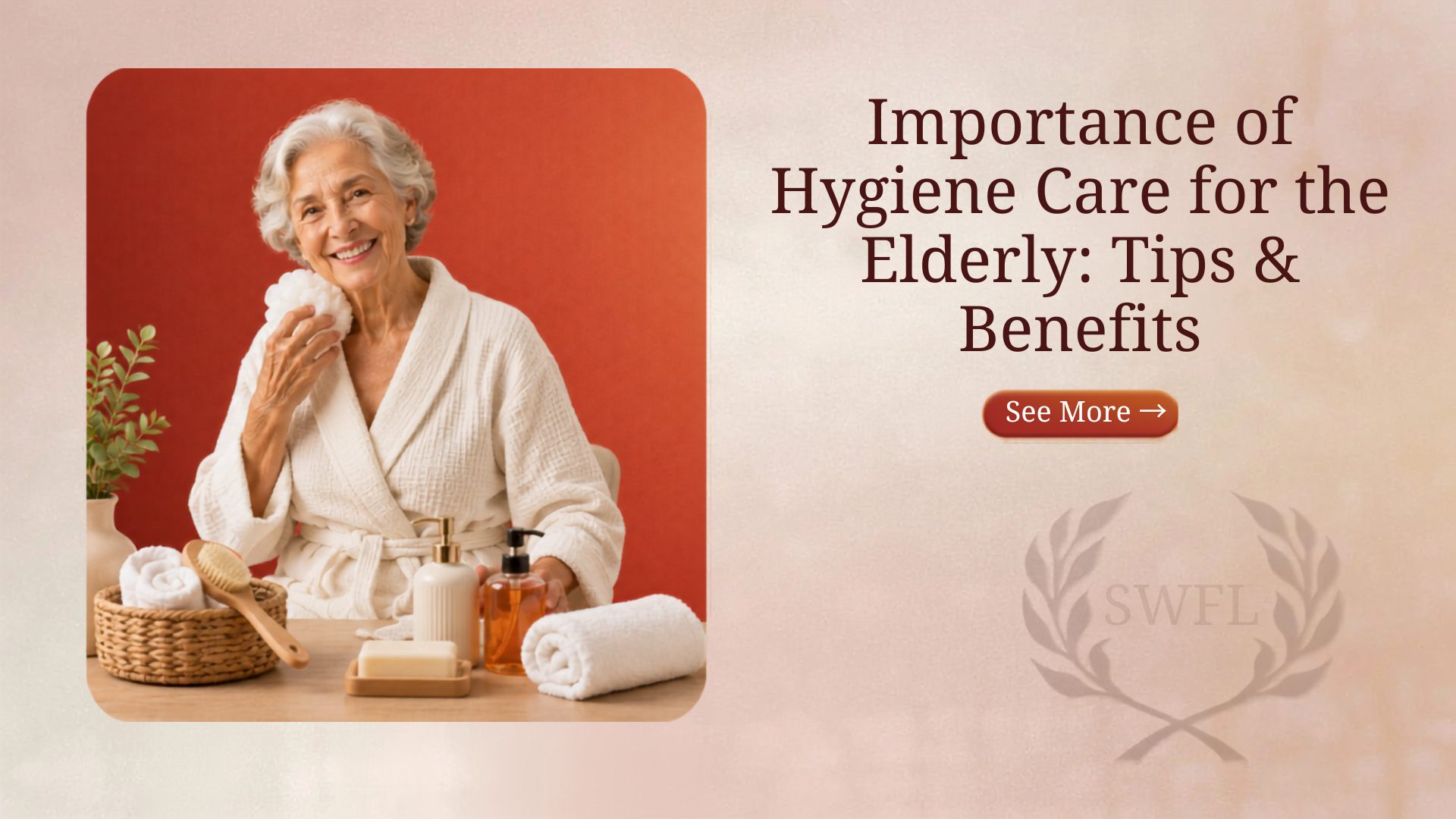
Growing older brings knowledge, experience, and life experience. Moreover, they have to face some specific challenges concerning their bodies and brain activity, which might make even simple things harder. Nevertheless, regardless of age, hygiene remains one of the key factors contributing to people’s quality of life.
There are a number of reasons why hygiene becomes especially significant at an advanced age. It helps avoid possible infections, maintain good physical and psychological condition, preserve dignity, and contribute to general well-being.
In addition, for seniors who live on their own, with their families, or in assisted-living facilities, good hygiene becomes an element of protection from various diseases as well as the key aspect that affects the quality of life positively.
However, there are plenty of reasons why older people may find personal hygiene hard to cope with. Mobility problems, arthritis, visual impairment, cognitive impairments, and other health issues may hinder the process of keeping one’s personal hygiene. Consequently, problems of the mentioned kind may arise, making the lives of senior people miserable.
Understanding the importance of hygiene in the senior population and ways of supporting it is crucial for caregivers and family members of older people.
Why Hygiene Becomes More Important With Age
As people age, the organism goes through changes related to its natural defense. The skin becomes thin, there might be a weakening of the immune system, and an infection can spread throughout the body faster. All these physiological processes associated with aging make older patients more vulnerable to different diseases and problems.
At the same time, many older adults might face problems associated with performing daily activities that are vital for maintaining proper personal hygiene.
This is when the role of hygiene care becomes obvious since it helps prevent any health-related problems and allows maintaining good well-being by minimizing the chances of having to deal with avoidable health problems.
Hygiene care is important for the following reasons for seniors:
- Prevention of any infections
- Protection against various skin conditions
- Maintenance of the dental health condition
- Improving self-confidence
- Enhancing emotional state
- Promoting comfort and mobility
- Safeguarding dignity and independence
If one neglects hygiene, all minor problems will eventually lead to severe ones.
Understanding Hygiene Care for the Elderly
Hygiene care for older people entails cleanliness and proper grooming that helps maintain one’s physical, psychological, and social well-being.
Some examples of hygienic practices include bathing, brushing teeth, washing and styling hair, cleaning and trimming nails, using the bathroom, hand-washing, and changing clothes frequently.
All these activities can be considered rather straightforward in nature, but they serve a very important function when it comes to avoiding disease and remaining healthy. Regular practice of hygienic care ensures that elderly individuals are clean, comfortable, and happy while being protected from various pathogens.
In the case of elders who need help, caregivers can play a critical role in ensuring proper care.
The Connection Between Hygiene and Physical Health
One of the biggest reasons why hygiene is important is its immediate effect on physical well-being.
Inappropriate levels of hygiene can lead to conditions in which diseases can arise more readily. Elderly individuals are prone to such problems since their immune system is not as effective as that of other people.
Preventing Skin Infections
The skin is one of the most powerful barriers from bacteria, fungi, and viruses that invade the body. Without proper cleansing, microorganisms will multiply and increase the likelihood of infection.
Moreover, older adults usually have to stay in one position for an extended period of time; therefore, skin irritation and pressure injuries are quite common among this age group.
Hygiene practices include:
- Remove dirt and bacteria
- Reduce skin irritation
- Prevent fungal infections
- Lower the risk of pressure ulcers
- Promote healthy skin integrity
Proper maintenance of skin condition plays an essential role in keeping the individual comfortable and in good health.
Reducing the Risk of Urinary Tract Infections
Urinary tract infection (UTI) is common amongst the older age groups, particularly among females and people who find it difficult to move about.
Good hygiene practices amongst older people ensure a reduction in bacteria in their urinary area and decrease their susceptibility to UTIs.
Older people should engage in regular cleansing practices, change incontinence pads promptly, and adopt appropriate toilet techniques.
Supporting Respiratory Health
Proper hygiene practice amongst the elderly entails frequent handwashing, which reduces the chances of contracting respiratory infections.
The risk of acquiring serious complications is higher in older adults when they contract a cold or flu.
Some of the simple activities that help in protecting the body include washing hands before eating and after visiting the toilet.
Oral Hygiene: A Critical Yet Overlooked Aspect of Senior Care
Oral hygiene is something that is overlooked as people age, despite being a very significant aspect of hygiene.
Poor oral hygiene leads to:
- Tooth decay
- Gum disease
- Bad breath
- Pain and discomfort
- Difficulty chewing
- Nutritional deficiencies
Poor oral hygiene is also associated with various other illnesses, such as heart disease and respiratory infection.
Senior citizens should still follow oral hygiene practices, including brushing at least two times per day, flossing whenever possible, and going for regular dental visits.
In cases where people wear dentures, hygiene for the dentures is just as important.
Good oral hygiene improves overall physical well-being as well as social aspects, including self-confidence and communication skills.
Personal Hygiene and Mental Well-Being
Hygiene does more than just keep our bodies healthy and free from diseases.
There are many times when a good bath, fresh clothes, and well-groomed hair can help you feel more relaxed and content.
Maintaining one’s hygiene is a great way to keep one’s mental well-being in check, since one feels more confident in oneself and feels a certain level of respect towards oneself.
When older people fail to take care of themselves and do not get enough assistance with that, they can become:
- Embarrassment
- Low self-esteem
- Social withdrawal
- Anxiety
- Depression
A lot can be done with something as little as a shower, clean clothes, and a bit of combing.
This helps to feel independent and keeps the sense of who you are alive, even while aging.
The Role of Hygiene in Preserving Dignity
Dignity is considered one of the most important elements of senior care.
The loss of independence due to physical limitations becomes a significant concern for older people, who may feel uneasy regarding issues related to hygiene and personal care.
A dignified approach to providing hygiene support allows seniors to feel respect and honor during the entire process.
Elements that help ensure dignity include:
- Providing privacy
- Encouraging participation whenever possible
- Respecting personal preferences
- Communicating clearly and kindly
- Maintaining a calm and patient approach
When hygiene support is delivered with compassion, seniors are more likely to feel comfortable accepting assistance.
Common Elderly Hygiene Issues
Many older adults face specific hygiene-related challenges that can interfere with daily care routines.
The knowledge of hygiene problems faced by older people makes it possible for caregivers and relatives to deal with them proactively.
Limited Mobility
Aging is associated with mobility issues, such as arthritis, joint pain, difficulty with maintaining balance, and muscle weakness.
As a result, some routine activities related to personal hygiene might be physically hard to perform.
Cognitive Decline
Memory disorders caused by Alzheimer’s disease or dementia can make people skip some hygiene procedures or refuse help.
In such cases, the caregivers have to remind and motivate elderly individuals.
Vision Problems
Decreasing eyesight complicates hygiene procedures such as nail clipping, shaving, and teeth brushing.
This problem should be addressed through the use of auxiliary devices and assistance from other people.
Incontinence
This is probably the most widespread elderly hygiene problem.
In this case, personal hygiene plays an important role in preventing irritations and infections.
Depression and Social Isolation
Mental health issues have been identified as having the potential to diminish an individual’s motivation to engage in hygiene practices.
Seniors going through depression may not bathe, groom, or change clothes as frequently as recommended, causing further physical problems and adding emotional distress.
Early identification of these factors is key to enabling families or caregivers to assist as required.
Bathing and Skin Care for Seniors
Bathing continues to be a critical hygiene factor; however, it can be more difficult with aging.
The skin becomes more susceptible to drying and irritation due to reduced moisture content.
Tips for good skin maintenance:
- Use warm rather than hot water
- Choose mild, fragrance-free cleansers
- Apply moisturizer after bathing
- Dry skin gently instead of rubbing vigorously
- Inspect skin regularly for redness or irritation
While the frequency of bathing may vary based on individual need, ensuring that the person remains clean while protecting the skin is important.
Equipment that makes bath time safer and easier for seniors includes shower chairs, hand-held shower heads, and bath safety bars.
Hair and Scalp Care
A healthy scalp and hair maintenance promote comfort, cleanliness, and self-esteem.
Hair tends to become less dense with age; therefore, it should be washed regularly to rid the scalp of excess oil, sweat, and other pollutants from the environment.
The hair routine of each person can depend on personal preferences as well as hair type.
It will also help check whether the scalp remains healthy or requires medical treatment due to certain abnormalities.
Nail Care and Hand Hygiene
Fingernail hygiene might not get enough attention, but it is vital for the prevention of infections and discomfort.
Overgrown nails have the tendency to accumulate harmful microorganisms, causing illnesses.
Maintaining healthy fingernails involves:
- Washing hands often
- Cutting nails regularly
- Monitoring fungal infections
- Promptly treating ingrown nails
Hands also deserve proper care because they constantly come into contact with various surfaces.
The Importance of Clean Clothing and Bedding
Hygiene goes beyond just grooming.
Proper clothing and bed sheets reduce the chances of contracting diseases or infections, as well as exposure to smells.
Laundering ensures that individuals benefit from:
- Prevent skin irritation
- Comfort in dressing
- Better health
- Quality sleep
- Living in better surroundings
Wearing clean clothes and bed sheets makes individuals feel comfortable, which leads to an increased level of emotional comfort.
Creating a Comfortable Hygiene Routine
The aspect of consistency cannot be overlooked when considering hygiene care.
A consistent routine can be used to ensure that personal hygiene is easy for those having difficulty remembering things.
Some elements of hygiene routines include:
- Having baths on certain days
- Grooming on set days
- Hand washing
- Tooth brushing
- Change of clothes on specific days
A structured approach reduces confusion while promoting independence and confidence.
How Caregivers Can Support Better Hygiene
Caregivers play a vital role in ensuring that seniors develop and maintain good hygiene practices.
While the aim is always to assist in developing independence wherever possible, caregivers need to assist when necessary.
Caregiver techniques include:
- Giving gentle prompts rather than direct instructions
- Using specialized equipment when necessary
- Breaking down tasks into small steps
- Creating an enabling environment
- Taking account of individual preferences
- Watching for health or behavioral changes
Supportive care helps seniors maintain both cleanliness and dignity.
Hygiene and Social Confidence
Individuals often relate their personal hygiene to their self-image.
Where seniors feel physically presentable and clean, they tend to be more socially engaged and actively participate in activities with friends and families and in various community settings.
Poor hygiene, on the other hand, can make seniors embarrassed, which can cause them to avoid social interactions.
It is, therefore, imperative for senior citizens to have good hygiene habits to ensure social engagement and interaction with others.
Recognizing When Additional Help Is Needed
Sometimes declining hygiene habits signal a larger underlying issue.
Changes in hygiene routines could be a symptom of the following health issues:
- Decreased mobility
- Cognitive decline
- Depression
- Chronic disease
- Side effects of medication
- Impaired vision
It is essential to monitor such signs in seniors and consult healthcare professionals.
Prompt actions will help avoid small issues turning into bigger problems.
Supporting Healthy Aging Through Better Hygiene
Effective geriatric hygiene care is not only about handling illnesses properly. This approach is related to developing healthy habits, which make older individuals more comfortable and independent.
The role of hygiene care among older people is vital as it promotes health, emotional well-being, helps to preserve dignity, and improves quality of life.
Be it bathing, mouth hygiene, hair and nail care, regular washing of hands, or wearing fresh clothes and sheets, any hygiene practice benefits the senior’s well-being significantly.
Knowing common elderly hygiene problems and providing seniors with adequate assistance makes it easier for families and caregivers to support elderly independence while making seniors’ lives more comfortable.