
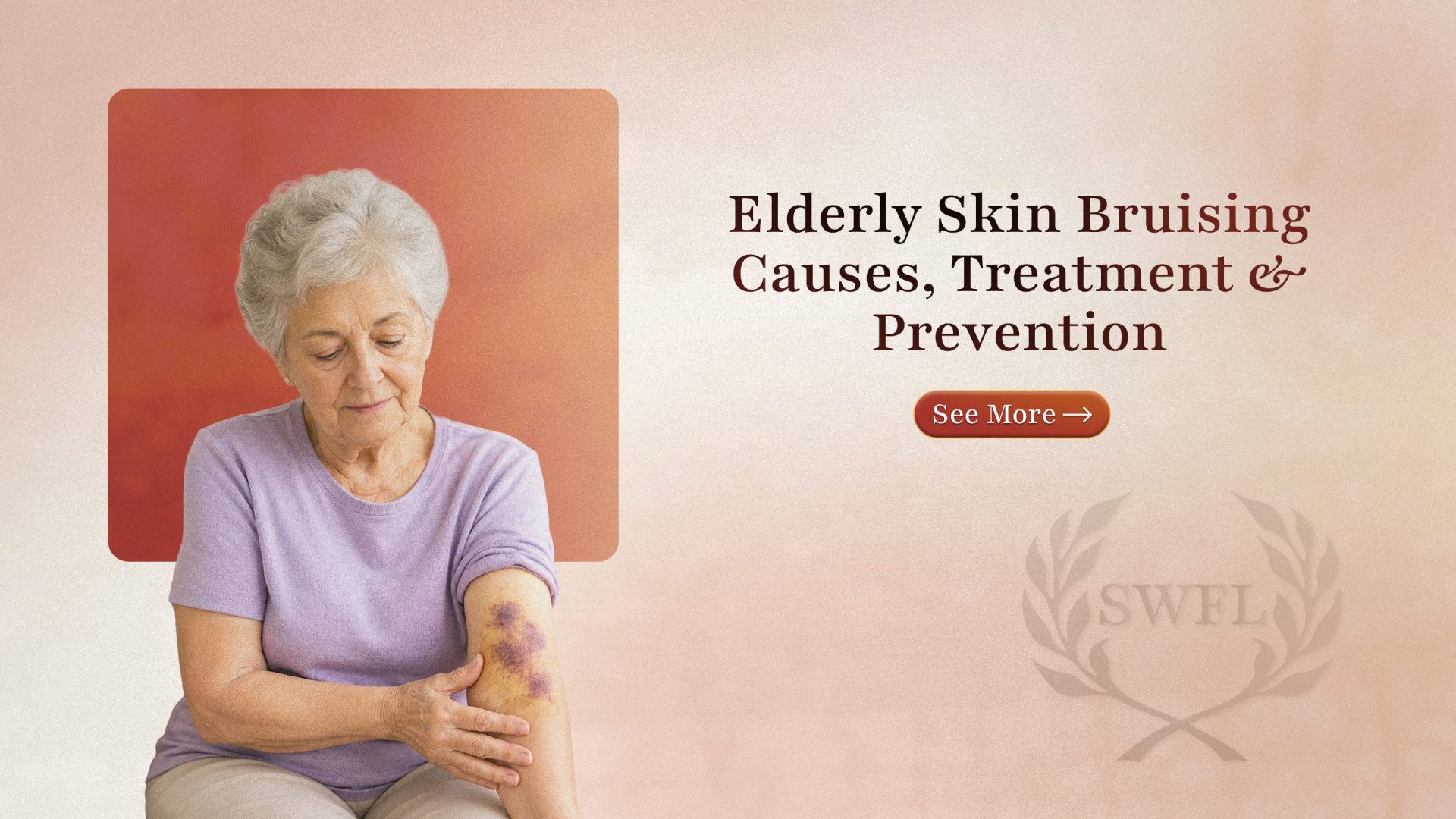
Elderly skin bruising is one of the most common skin-related concerns seen in older adults. Even the slightest bump against furniture or bags may cause a bruise in elderly skin. Bruises tend to appear very quickly in elderly people. Families often wonder why bruises occur so frequently in their elderly relatives.
As individuals grow older, skin thickness tends to decline, making it easy for blood vessels to break under minimal pressure. Fat tissue below the skin layer decreases. These physiological factors result in increased susceptibility to bruises.
Although most bruises tend to be normal and will not require special attention, in some cases, bruises may become a symptom of certain disorders, adverse reactions to drugs, and vitamin deficiencies.
Learning about the causes of skin bruises in elderly people is essential for seniors themselves and their families. It will allow families to distinguish between normal and potentially problematic bruises and prevent injuries to the sensitive skin.
Elderly patients must learn to take preventive measures to prevent bruises, alleviate pain, and minimize potential complications.Many families search for elderly skin bruising pictures to compare what they see with common age-related bruises. While images can be helpful for general awareness, they should never replace a medical evaluation when bruising appears unusual or severe.
Why Older Adults Bruise Easily
Many people wonder, “Why do older people bruise easily?”. This condition is associated with age-induced modifications in skin, blood vessels, and physical structure.
If you’ve ever wondered why do old people bruise easily, the answer usually lies in natural age-related changes such as thinner skin, weaker blood vessels, and reduced protective fat beneath the skin.
Young people have robust skin collagen and well-padded blood vessels. As they age, their skin gets frail because the body starts producing less collagen. The result is weak blood vessels that bleed at the slightest pressure, causing bruises.
Several age-related changes contribute to elderly skin bruising.
Thinning Skin
In general, the skin thins as a person ages. This happens because of decreased elastin and collagen production. Both proteins provide elasticity and toughness to the epidermis. With low protein levels, the skin becomes fragile and more susceptible to harm.
Older people’s thin skin tends to tear more easily. The reason is poor skin elasticity. Bruises caused by tearing appear dark and more prominent than those seen in younger people.
Loss of Protective Fat
Fat cells are naturally lost due to aging. They create an additional buffer around blood vessels. When lacking sufficient fat, the capillaries become prone to breaking.
Fragile Blood Vessels
The walls of the blood vessels weaken and become inflexible over time. Older blood vessels may be vulnerable to breakage due to physical injury, pressure, and rubbing.
This is one of the factors behind the increase in bruising easily among elderly people.
Slower Healing Process
As the body ages, it becomes harder to heal wounds quickly. It will be observed by seniors that bruises take a longer time to heal.
Conditions such as poor circulation, illness, and nutritional deficiencies may impede healing as well.
Sun Damage Over the Years
A lifetime of sun exposure weakens the skin and connective tissues. Cumulative sun exposure results in thin skin that bruises easily.
This problem is particularly prevalent in areas of frequent sun exposure like forearms and hands.
Causes of Bruising in Seniors
Understanding why do old people bruise easily also helps families recognize when bruising is a normal part of aging and when it may require medical attention.
Aging is not the only reason for bruising. There are various other reasons that contribute to elderly skin bruising.
It is important to be aware of such causes so that they can be dealt with effectively.
Medications That Increase Bruising
There are certain drugs that may make it easier to experience bruising owing to their side effects on the body.
Common medications include:
- Blood thinners such as warfarin and heparin
- Aspirin
- Anti-inflammatory medications
- Corticosteroids
- Some antidepressants
- Chemotherapy drugs
If used over a long period of time, steroids will thin the skin considerably making it prone to bruising.
Vitamin Deficiencies
Another reason that contributes to elderly skin bruising concerns is nutritional deficiencies.
Deficiencies in the following nutrients may increase bruising:
- Vitamin C
- Vitamin K
- Iron
- Vitamin B12
- Protein
Vitamin C deficiency results in poor collagen synthesis and weakens blood vessels, leading to easy bruising and poor healing process.
Medical Conditions
There are also certain conditions that may cause bruising among the elderly population.
These include:
- Diabetes
- Liver disease
- Blood clotting disorders
- Leukemia
- Kidney disease
- Platelet disorders
- Vascular diseases
If there are unexplained bruising episodes, it would be wise to undergo a medical evaluation.
Reduced Mobility and Falls
Seniors who have trouble maintaining their balance are prone to bumping into objects, stumbling, or falling.
A small fall may result in a significant bruise due to the lack of cushion in aging skin.
Dehydration
Dryness and dehydration make skin brittle and less resilient. This makes it more susceptible to tearing and bruising.
Older people become more prone to dehydration since the sensation of thirst diminishes with age.
Pressure on the Skin
Regular pressure from routine movements may lead to bruising when the skin is thin.
Examples include:
- Carrying heavy bags
- Leaning on walkers
- Tight clothing
- Medical tape removal
- Blood pressure cuffs
- Wheelchair armrests
What Causes Skin Bruising in Elderly Adults?
Families often become worried when there is no apparent reason for the occurrence of bruising. Although most bruises are not a cause for concern, it is important to know why the elder person gets bruised even without a cause.
The bruises are usually caused by the rupture of small blood vessels in the proximity to the surface of the skin. The bruising is easier to notice due to the thinner skin and fragile blood vessels.
Some signs require immediate attention under all circumstances.
Bruises That Need Medical Attention
Seek medical advice if bruises:
- Appear suddenly and frequently
- Occur without any known injury
- Are unusually large or painful
- Do not heal after several weeks
- Are accompanied by swelling
- Are associated with bleeding gums or nosebleeds
- Appear alongside dizziness or weakness
Such signs may indicate health conditions that require urgent examination.
Senile Purpura
One common condition associated with bruising in older people’s skin is senile purpura.
This disease leads to the development of large-sized purple bruises on arms and hands after a light injury. This problem occurs because the skin and vessels in old age become very fragile due to the process of aging.
Senile purpura is not dangerous but may cause distress to patients. This problem usually disappears in several weeks.
Elderly Skin Bruising Treatment
The treatment options are based on the cause of this problem. In most cases, bruises heal independently without any additional intervention. However, supportive measures will help to alleviate symptoms.
The right elderly skin bruising treatment depends on identifying the underlying cause, whether it’s normal aging, medication side effects, nutritional deficiencies, or an underlying medical condition.
Immediate Care for Bruises
For fresh bruises, the following steps may help:
- Apply a cold pack for 10-15 minutes
- Lift the bruised area if possible
- Avoid applying pressure to the bruised area
- Rest the injured area
- Use skin moisturizing products
Cold therapy reduces swelling and prevents blood leakage in the subcutaneous tissue.
Skin Protection and Moisturizing
The skin becomes much more flexible and stretchable and does not tend to tear easily.
Recommendations for older patients:
- Use fragrance-free lotions every day
- Do not use harsh soaps
- Protect the skin by wearing long-sleeved shirts
- Put on sunscreen
- Drink water regularly
Lotions help increase the skin’s flexibility.
Nutrition Support
Nutrition plays a crucial role in managing bruising in older people.
An adequate nutrition includes:
- Citrus fruits
- Green leafy vegetables
- Meat
- Berries
- Nuts
- Cereals
- Water
Sometimes, physicians will prescribe some vitamins for older patients when there is a deficiency.
Medication Review
If bruising is severe and persistent, older individuals may undergo a drug review by their doctors to determine whether the medications require adjustment.
Do not stop using prescription drugs without first consulting your physician.
Wound and Skin Monitoring
Observation of the wounds includes checking them for:
- Worsening of condition
- Any skin breakdown
- Infection symptoms
- Changes in color
- Problems with healing
Regular observation helps avoid all types of complications.
How Do I Stop Old Age Bruising on My Arms?
In most cases, elderly skin bruising treatment focuses on protecting fragile skin, supporting healing, and preventing future bruises rather than treating the bruise itself. Another question that seniors ask themselves a lot is, “How can I prevent arm bruises due to aging?”
Arms are especially susceptible to bruising because of their thin skin and exposure to sunlight. While the problem is inevitable, there are ways to reduce bruising’s appearance and occurrences.
Practical Ways to Reduce Arm Bruising
Wear Protective Clothing
Long-sleeved garments offer more protection from accidental bumps and rubbing against surfaces.
Natural fabrics like cotton are perfect as rough material may irritate the skin.
Improve Home Safety
If you avoid unnecessary bumping, you’ll reduce the odds of bruising.
Here’s what you can do:
- Add cushions around edges of furniture
- Improve lighting in rooms
- Organize objects better
- Install grab bars
- Proper use of mobility aids
Use Gentle Skin-Care Products
Products that contain alcohol dehydrate the skin, thus causing more bruises.
Instead, use:
- Moisturizers
- Mild soaps
- Protective skin products
- Perform Exercises on a Regular Basis
Exercise promotes blood circulation and improves balance and muscle strength.
Good balance reduces the likelihood of accidents and bruising.
Protect Skin from UV Rays
Daily use of sunscreen preserves skin’s elasticity and protects against injury.
Accidental Bruising and Intentional Bruising
Not all bruises come from accidents. It’s essential to know the difference between accidental and intentional bruising. This is particularly important for caregivers.
Accidental Bruising
Accidental bruising typically happens on bony areas where contact is frequent.
Examples include:
- Knee
- Elbow
- Shin
- Forearm
Such bruises generally have an explanation such as bumping into furniture or losing one’s balance. The form and site of the injury correspond with the explanation.
Intentional Bruising
Intentional bruising could be a sign of abuse or neglect.
Warning signs can include:
- Bruises in unexpected areas
- Finger-shaped marks
- Multiple bruises that cannot be explained
- Bruises in different stages of healing
- Fearfulness when in the presence of caregivers
- Procrastination in receiving medical attention
Common concerning areas include:
- Neck
- Inner arms
- Back
- Face
- Thighs
Caregivers and family members must act on suspected bruising and consult professionals when necessary. Protection against abuse is integral in geriatric care.
Common Bruising Areas for Seniors
Certain body parts are predisposed to bruising based on changes in skin anatomy and the nature of movement.
Arms and Hands
Arms and hands are one of the most frequent bruising regions in the elderly population.
Reasons include:
- Skin thinning
- Sun exposure
- Contact with surfaces
- Fat layer deficiency
Most skin bruising images for elderly people depict bruises localized in this region.
Legs and Shins
Elders who experience difficulties with blood circulation or movement tend to be vulnerable to bruises on their legs.
Accidental falls and bumping against objects can also cause bruising.
Hips
Hip bruising often results from trips or falls.
Due to the potential for fractures during a fall, hip bruising needs to be tracked diligently in elders.
Back and Shoulders
Bruises can appear from moving an elder or using a wheelchair.
Poor lifting technique can also result in bruises on the skin.
How Caregivers Can Help?
The caregivers are very instrumental in safeguarding the skin from being affected negatively by age and reduce the risks of bruising. It is possible to maintain and increase the health status of the patient through prevention and monitoring bruising.
Create a Safe Environment
There are simple measures that can be undertaken in the home that will reduce accidents and injuries.
These include:
- Removing loose rugs
- Clearing the walkway
- Putting anti-slip mats
- Having increased lighting
- Wearing supportive shoes
Handle the Skin Gently
Gentle handling is important when dealing with a senior’s sensitive skin.
The caregiver should:
- Be careful with movements that affect the skin
- Touch the skin gently when bathing
- Remove adhesive tape gently
- Avoid using rough towels
Ensure Proper Nutrition
The seniors must eat a diet rich in the necessary nutrients.
The caregivers should help the seniors to:
- Stay hydrated
- Eat proteins daily
- Eat foods rich in vitamins
- Have consistent eating
Monitoring Bruises
Monitoring bruises is helpful in determining other conditions.
This includes:
- The frequency of bruising
- The color and size of bruises
- The time it takes the bruising to heal
- If there are any other symptoms
Consultation with a doctor is recommended for worsening or unusual bruises.
Support Emotional Wellbeing
Bruising sometimes embarrasses some seniors.
It is important to reassure the seniors, but handle the physical well-being properly.
When Bruising May Signal a Bigger Problem
Despite the fact that most cases of bruising among elderly individuals are normal, there are occasions when bruising could be a sign of a more serious problem.
Seek medical care if bruising is associated with:
- Recurring falls
- Pain
- Confusion
- Weakness
- Urine or feces with blood
- Bleeding
- Swelling
Quick detection could lead to better outcomes and less risks of developing complications.
Looking at elderly skin bruising pictures can help caregivers recognize normal healing patterns, but factors such as skin tone, medications, and overall health can make bruises appear differently from person to person.
Understanding Elderly Skin Bruising Pictures
Most caregivers look for elderly skin bruising pictures online to understand whether a bruise is a cause of concern. However, despite pictures being useful sources of information, it is never a good idea to diagnose oneself with bruising simply based on its appearance.
Bruise colors can change throughout healing stages, including:
- Red
- Purple
- Blue
- Green
- Yellow-brown
The appearance depends on:
- Skin tone
- Injury severity
- Medications
- Blood flow
- Overall health
If a bruise appears unusual or concerning, professional medical evaluation is always the safest approach.
Final Thoughts on Elderly Skin Bruising
Elderly skin bruising is a common part of aging, but that does not mean it should be ignored. Nevertheless, it would be wrong to say that bruises among the elderly are not something worth paying attention to.
With aging, the skin naturally becomes thin, fragile, and heals poorly. In other words, bruises become a common occurrence among older people.
Nevertheless, there might also be other reasons for excessive bruising that should be considered to help the elderly protect their skin and stay comfortable. By knowing the possible causes of bruises, family members and caregivers can offer the appropriate precautions that will definitely be helpful.
In any case, it is essential to stay attentive when it comes to the appearance of new bruises. After all, the issue goes beyond purely physiological aspects.