
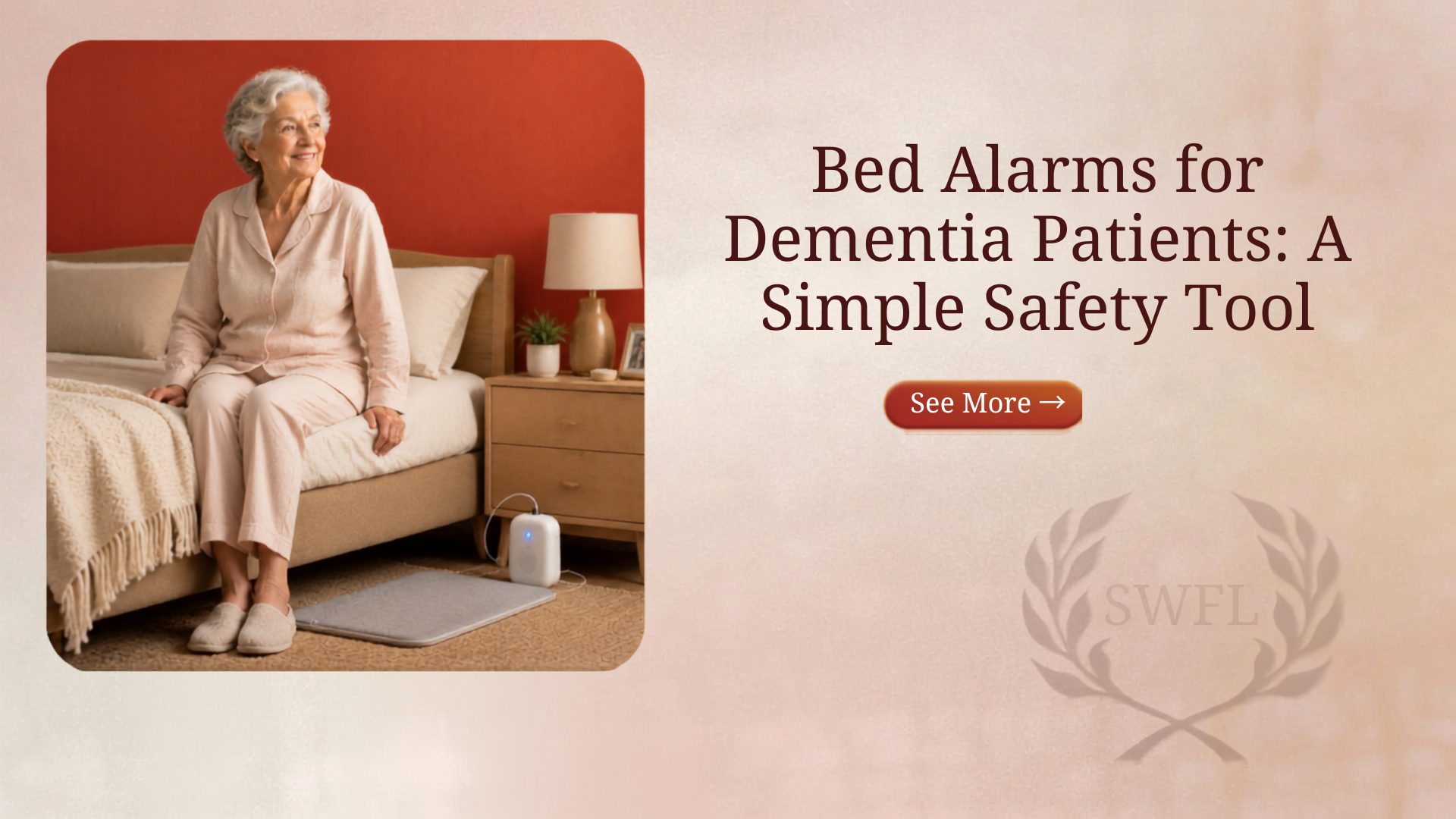
It often starts with a sound no caregiver wants to hear.
The shuffling of feet down the hall at 2 a.m. A bedroom door creaks open. A family member with dementia might be wandering out of bed, completely confused. By the time anyone notices, a fall could’ve already occurred.
Nighttime is brutal for caregivers of people with dementia. As others sleep, they stay vigilant, stressing about wandering, falls, injuries, and emergencies. In nursing homes too, the focus never wavers; preventing night mishaps is super important.
This is where alarms come in. These alarms for dementia patients can really help.
Sure, no machine can totally take over from human care. But bed exit sensors can provide that vital extra safety buffer. When a person tries to get up, the alarm goes off, giving staff a heads-up to step in before something bad happens. To many, these gizmos bring some peace of mind. Plus, they help keep folks safer while moving around and offer quick help if they need it.
Understanding how these alarms function, their good points, drawbacks, and picking the best fit for your needs could really guide caregivers in keeping seniors safe from falls and other troubles.
Why Dementia Increases the Risk of Falls
Dementia impacts way more than just memory. As it progresses, people become confused and start making poor judgments. They might have trouble navigating spaces and understanding risks too.
Simple tasks are super hard for them. Imagine just getting out of bed or going to the bathroom becoming a struggle. Patients can forget they need help standing up, wake up at night not knowing where they are, and really struggle with balance and walking around safely.
Many dementia patients may:
- Forget they need assistance before standing
- Wake up disoriented during the night
- Experience balance and mobility issues
- Misjudge distances or obstacles
- Wander due to confusion or restlessness
- Become unaware of physical limitations
All of this boosts their risk of falling, which is a big problem. Falls send lots of seniors to the hospital, and folks with dementia have a tougher time bouncing back. An injury usually means less mobility, worse confusion, and losing independence.
So, preventing falls is super important for these individuals.
What Are Bed Alarms for Dementia Patients?
Bed alarms for dementia patients are devices that let caregivers know when someone’s getting out of bed. The aim isn’t to limit movement; it’s to help caregivers react fast and offer aid before anything bad happens.
Each alarm has a sensor and an alert system. If the sensor senses no pressure or detects movement, it triggers an alarm or sends a message to the caregiver.
Depending on the system, alerts may be delivered through:
- Audible alarms
- Wireless receivers
- Smartphone notifications
- Nurse call systems
- Caregiver pagers
This quick response lets caregivers stop falls from happening.
Why Bed Alarms Are Commonly Used in Dementia Care
Dementia creates special safety issues that regular oversight often can’t handle. Maybe a caregiver takes a quick break, staff helps someone else, or family caregivers are sleeping. During any of these times, the elderly could try standing on their own.
This is where bed alarms come in handy. They give an early warning signal, allowing caregivers to react and stop potentially unsafe situations from getting worse.
The primary benefits include:
Enhanced Fall Prevention
These alarms notify caregivers when a resident’s moving, possibly to get out of bed. This way, help is there during walks and transfers, reducing the risk of falls.
Reduced Wandering Risk
People with dementia sometimes wander, which can be dangerous. Bed alarms can help here. They alert caregivers if someone gets out of bed, so they can stop them from leaving their room or going somewhere unsafe.
Faster Response Time
Bed alarms lead to faster response times and prevent falls before they happen. Instead of finding a person hurt and upset, staff can respond right away when there’s movement.
Improved Peace of Mind
It helps ease minds too. Families of those with dementia deal with a ton of worry. Knowing there’s a system watching out for their loved one makes things easier and less stressful for everyone.
How Bed Alarms Work
There are different technologies available based on someone’s needs and what they prefer.
Pressure Pad Alarms
You can put these under, on top of, or beneath a regular mattress. When the person gets off the bed and the pad loses pressure, it sets off an alarm.
These are one of the most common options in nursing homes and assisted living places.
Motion Sensor Alarms
They keep track of movements close to the bed. If someone moves towards the edge or tries to stand up, caregivers get a notice right away.
This might work well when the pressure pad setup doesn’t fit the bill.
Infrared Monitoring Systems
It makes use of invisible detection zones created by infrared beams. As soon as a boundary is crossed, caregivers get notified.
A great thing about these is that they typically cut down on direct contact between the resident and a care provider.
Smart Monitoring Systems
Finally, smart monitoring systems bring everything together into one package. Using apps on a smartphone or other devices, alerts get beamed out through a wireless network to inform caregivers instantly.
This lets them respond quickly whether they’re inside the facility or at home.
Choosing the Best Bed Alarm for Elderly Individuals With Dementia
Not all alarm systems perform equally well for every situation. When choosing the best bed alarm for elderly folks, you need to consider a few key things.
Reliability
False alarms can really annoy both caregivers and residents, so pick a system known for being accurate and dependable.
Comfort
The last thing you want is for the device to mess with someone’s sleep. Uncomfortable pads or equipment that’s too intrusive could upset the resident, especially those with dementia.
Ease of Use
It also helps if the alarm is easy to use. Setup, operation, and maintenance shouldn’t be complicated for caregivers. Simple is better here.
Volume Control
Sometimes a loud noise is necessary, but other times, sending a silent notification directly to the caregiver’s device works much better to calm worries and keep stress down.
Wireless Functionality
Going wireless adds flexibility and ease. This way, caregivers can get alerts from anywhere, not just the bedroom.
Battery Life
No one wants to swap batteries all the time. So, long-lasting ones are great because they make the system reliable and easier to maintain.
The Role of Bed Alarms in Fall Prevention Programs
A bed alarm shouldn’t be used as a standalone method. The best bed alarms and prevention programs use several safety measures together.
Successful fall prevention often includes:
- Regular mobility assessments
- Proper lighting
- Non-slip flooring
- Assistive walking devices
- Medication reviews
- Physical therapy programs
- Staff education
- Environmental modifications
- Personalized care plans
Bed alarms are most useful when part of a wider safety plan. They offer quick alerts, yet staff must follow the right steps once those alarms go off.
When Should Families Consider a Bed Alarm?
Not everyone with dementia needs a bed alarm right away. But there are times when adding some extra supervision makes sense.
These include:
Frequent Unassisted Bed Exits
If your loved one tries to get out of bed without assistance often, a monitoring system could keep them safer.
Night time Confusion
Many folks with dementia get more confused in the evenings, that’s called sundowning, which might make them move around unsafely at night.
Previous Falls
If they’ve had falls in the past, bed alarms can help prevent more incidents.
Wandering Behaviors
People who tend to wander a lot may find these alarms helpful too.
Caregiver Fatigue
Plus, bed alarms can ease caregiver fatigue, those family members often feel worn out from being so alert all the time. The alarms give them some peace of mind.
Common Concerns About Bed Alarms
Some families hesitate to use bed alarms because they think the devices might scare or disturb their loved one. These worries make sense.
Whether the alarm works well relies mostly on how you set it up.
Will the Alarm Cause Anxiety?
For some people, loud noises can be super startling. In those cases, going with silent notification systems that alert caregivers without loud sounds might work better.
Are Bed Alarms a Form of Restraint?
Not at all. They don’t stop movement; they just let the caregiver know when someone’s moving around. So, they keep seniors safe while letting them move freely.
Can Bed Alarms Replace Supervision?
No way. They’re extra tools meant to help with monitoring, but they can’t substitute for actual people watching and interacting.
Best Practices for Using a Bed Alarm for Seniors
To maximize effectiveness, caregivers need to follow some key practices.
Educate All Caregivers
They should educate everyone involved in patient care. All caregivers must know how the system operates, how alerts work, proper response procedures, and maintenance duties. Consistency really boosts safety outcomes.
Test Equipment Regularly
Caregivers also need to test the equipment regularly to make sure everything’s working right. Issues like dead batteries or faulty sensors could make the system fail when it matters most.
Position the Bed Safely
Safety isn’t just about the alarm; positioning the bed correctly is vital too. Pathways should be clear, and tripping hazards removed.
Create Personalized Care Plans
Every person under care is unique, so individualized plans for alarm use are important.
Monitor Effectiveness
Continual monitoring of the system’s effectiveness in meeting goals and reducing risks is a must. Adjustments become necessary as conditions like dementia progress.
Additional Safety Measures That Work Alongside Bed Alarms
The best dementia care settings use several safety measures together. Bed alarms work great, especially when used with other strategies.
Examples include:
Low Beds
Low beds are really helpful since falls would hurt less.
Bed Rails Used Appropriately
Appropriate use of bed rails, if suggested by pros, helps with positioning and transferring safely.
Motion-Activated Lighting
Motion-activated lights at night cut down on confusion and boost visibility.
Scheduled Bathroom Visits
Taking people to the bathroom regularly can prevent trips to the toilet in the middle of the night. Guided visits can lower unsupervised trips.
Mobility Support Programs
Programs that promote mobility through strength and balance training can reduce falls.
Environmental Familiarity
Kept-up room setups make navigation easier and keep folks from getting confused.
How Senior Living Communities Use Bed Alarms
Professional senior living communities often use bed alarms in their resident safety programs.
These places mix tech with trained staff, daily routines, and personal care plans. Caregivers get notified when an alarm goes off and can check in right away. This quick action lowers the risk of falls and maintains residents’ dignity and independence.
Still, modern communities want to strike a balance between safety and a good quality of life. Their aim isn’t to limit movement, but to help out when necessary.
So, for families looking at these options, asking about monitoring systems and fall prevention can really tell you how committed a community is to keeping residents safe.
Looking Beyond Technology
Technology can be helpful in dementia care, but looking after someone with dementia remains human at its core.
While a bed alarm might spot when someone’s getting out of bed, it doesn’t actually help soothe confusion or calm anxiety. Bed alarms don’t offer comfort or companionship, or address emotional needs.
What they do offer is time. Time for caregivers to stop a fall from happening. Time to safely escort someone back to bed. Time to prevent an injury that could take a toll on health and independence.
For families navigating the challenges of dementia, these opportunities matter.
The right bed alarm can fit into a broader plan aimed at keeping dignity, comfort, and wellness intact. Along with caring human attention, smart home setups, and personal care, these devices can boost safety. They give worried family members one less thing to stress about, helping everyone rest easier.