
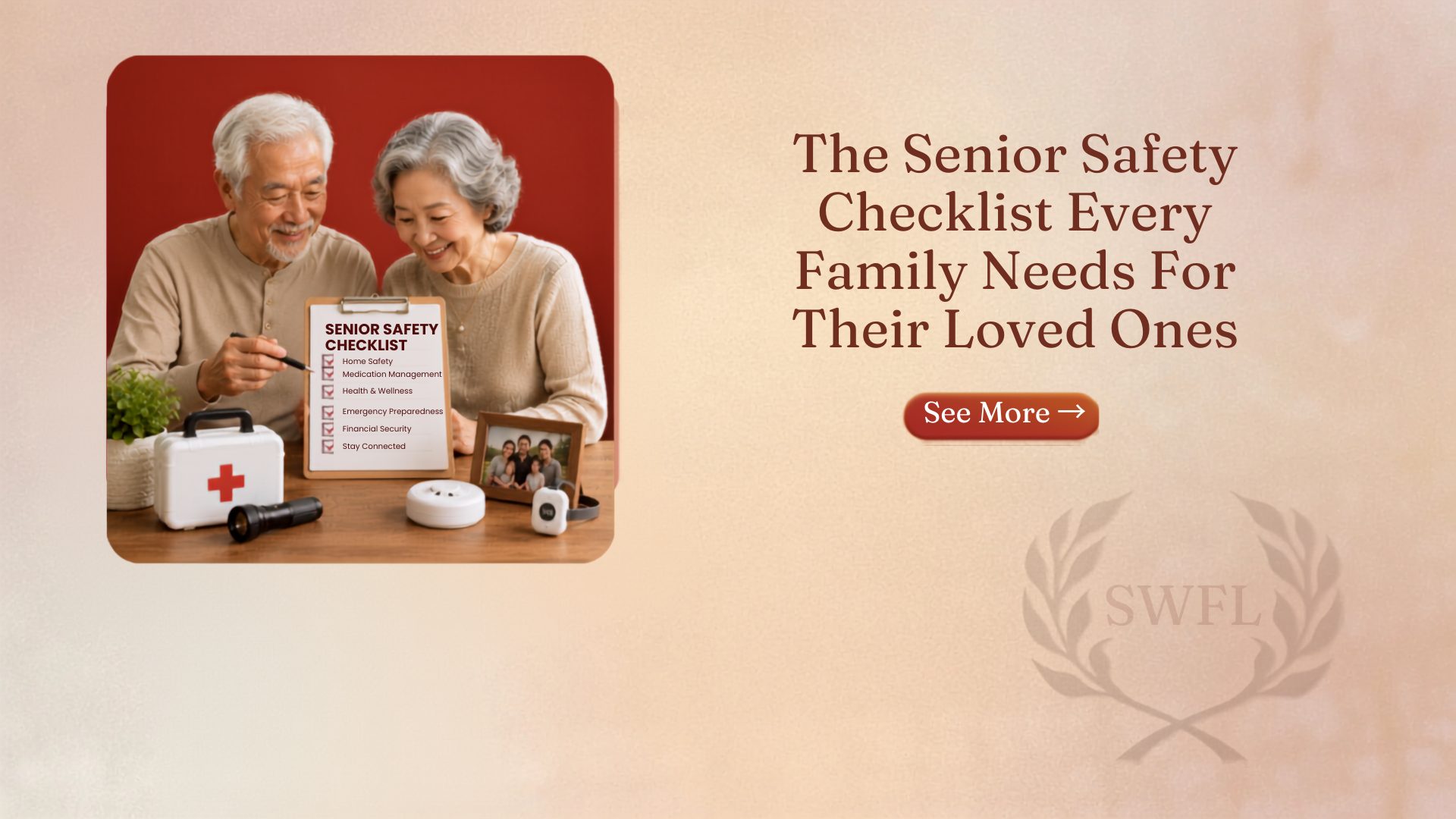
You are reading this blog because you are concerned about the safety of your aging parents or a loved one. Yes, you are right, if you feel like they need extra safety and security, then they definitely need safety and security.
A single fall can lead to months of recovery. Failure to take the necessary medications could result in adverse effects on your health. Dim light makes even the simple act of visiting the bathroom at night risky. But the most disconcerting thing about all these scenarios is that most of them occur within a space that seniors find safe and secure, their own home.
Older individuals’ ability to maintain balance, vision, hearing, response times, and mobility, among others, diminishes naturally. While aging cannot be helped, it certainly does not imply losing one’s sense of independence. The good news is that many of the accidents involving seniors can actually be prevented.
Enter the senior safety checklist.
Instead of waiting for something to go wrong, having a senior safety checklist ensures you can address any possible safety risks proactively and effectively. A safety checklist offers useful guidance in making life easier and healthier for seniors by enhancing their independence and security at home.
This resource will help you learn about senior safety checklists, what they are used for, how to develop a senior safety checklist, and their benefits.
What Is a Senior Safety Checklist?
The senior safety checklist is a thorough assessment instrument aimed at uncovering and resolving possible safety problems that could be encountered by elderly people both inside the house and during routine activities.
Consider it as an example of preventive maintenance for healthy aging.
Whereas traditional care emphasizes health maintenance, the checklist addresses all issues surrounding the aging process, including but not limited to:
- Fall risks
- Home accessibility
- Medication management
- Emergency preparedness
- Fire prevention
- Bathroom safety
- Kitchen safety
- Mobility support
- Security measures
- Health monitoring
It is important to note that the purpose of such checklists is straightforward – to prevent any avoidable accidents and enable seniors’ independence.
A good example of a checklist for senior citizens should address much more than just the most obvious issues.
Why Senior Safety Matters More Than Ever
America’s aging population continues to grow rapidly. As well as, seniors are opting for aging in place rather than moving to assisted living facilities.
Though staying at home gives seniors the freedom to enjoy life, they face certain risks that are specific to aging in place.
Homes are simply not built to cater to seniors’ needs.
Stairs become a problem, bathrooms do not have enough supports; storage areas involve too much climbing and bending, and hallways don’t fit any mobility devices.
With age, these small barriers can easily turn into safety hazards. Safety doesn’t mean restriction. It means allowing people to live a safe yet fulfilling life.
The Hidden Dangers Most Families Overlook
However, when one considers the safety issues of older individuals, they usually think of falls only.
It is true that falls are one of the most prevalent risks, but there are others, too.
Some of these problems include:
Medication Errors
In today’s world, it is much harder to keep track of one’s medication.
Because of complicated schedules, it is possible that an older person may skip taking their medication, overdose, or even make a mistake regarding which drugs they need.
Fire Hazards
There are many risks associated with house fires in seniors who live by themselves, including kitchen accidents, overloaded electrical circuits, and appliances left unattended.
Dehydration
Due to age-related reasons, elderly people can feel less thirsty than younger individuals, meaning that the risk of dehydration in older folks is higher.
Social Isolation
Although the problem described above does not necessarily have a direct effect on a senior’s health, it can still cause problems like depression and dementia.
Emergency Response Delays
It takes a long time to contact emergency response services if needed, and delays mean that any harm done is amplified.
A thorough senior safety checklist addresses all of these concerns, not just the obvious ones.
The Ultimate Senior Safety Checklist
Let’s walk through the key areas every family should evaluate.
Entrance and Exterior Safety
Safety begins way before entering the premises. Assess if entrances are easily accessible and safe.
Consider:
- Well-lit pathways
- Even walking surfaces
- Secure handrails
- Non-slip steps
- Clearly visible house numbers
- Functional outdoor lighting
Safe entrances make entering the homes effortless.
When entering the home is made harder due to carrying groceries, using a walker or in harsh weather conditions, adjustments will have to be made.
Living Room Safety
As this is the common area in most homes, safety measures are crucial here.
Check for:
- Loose rugs
- Electrical cords crossing walkways
- Cluttered pathways
- Unstable furniture
- Poor lighting
- Low coffee tables that create tripping hazards
Furniture used needs to be easy to get up from and sit down.
Soft and deep couches offer comfort; however, they can pose dangers when accessing and exiting. Creating wide walkways prevents most falls from occurring.
Bedroom Safety
Many falls occur during nighttime trips between the bed and bathroom.
For increased safety in bedrooms, the following should be ensured:
- Adequate bedside lighting
- Easily accessible light switches
- Stable furniture
- Clear pathways
- Accessible phone access
- Emergency alert devices, if needed
The beds should have a height that allows elderly people to put both feet on the floor when sitting on the edge of the bed.
Both excessively high and low beds may increase the risk of falling.
Bathroom Safety
Bathrooms are amongst the most hazardous areas of a house for senior citizens. Hazards such as water, wet and slippery surfaces, and restricted spaces result in frequent accidents.
To ensure the safety of senior citizens, the following items should be included in the checklist:
- Grab bars near toilets and showers
- Non-slip bath mats
- Walk-in showers, if possible
- Raised toilet seats
- Handheld showerheads
- Proper lighting
- Easy-to-reach toiletries
It must be noted that towel racks cannot be considered grab bars. Most of the injuries are caused by using towel racks to balance oneself.
Kitchen Safety
The kitchen provides a space of freedom and fun, but it could also pose many dangers.
Check:
- Appliance condition
- Fire extinguisher accessibility
- Storage organization
- Proper lighting
- Non-slip flooring
- Accessible cookware
Items that are frequently used must stay in easily accessible areas.
Do not keep everyday objects in high places where you would need a step stool or strain your body reaching for them. Easy modifications will make cooking more fun and safe.
Stairway Safety
Stairs are important to address because they account for many serious accidents among senior citizens.
Look for:
- Secure handrails on both sides
- Consistent step heights
- Bright lighting
- Non-slip treads
- Clearly visible edges
If stairs pose more problems, think about using a stair lift or keeping everything on one floor. Neglecting stairs can lead to more difficulties down the road.
Lighting Assessment
One of the least considered aspects of senior safety is lighting. With aging eyes, bright, constant lighting is especially necessary.
Check the following areas:
- Halls
- Stairs
- Bathrooms
- Entrances
- Bedrooms
- Exterior walkways
A motion-sensor light can be a lifesaver in the middle of the night. Having clear sight can avoid many accidents beforehand.
Medication Safety Review
It is crucial to have proper medication management in a safety checklist for seniors.
Check for:
- Proper labeling
- Medication storage
- Expiration dates
- Daily medication schedules
- Potential duplicate prescriptions
The use of pill organizers can make medication management easier.
For the elderly who take several medicines, a medication review by their doctor or nurse practitioner should always be done.
Emergency Preparedness
Emergencies do not typically warn ahead of time. All senior homes should have a preparedness plan in place.
Important components may include:
- Emergency contact lists
- Medical information sheets
- Backup power plans
- Emergency supplies
- Accessible communication devices
All family members need to be aware of the location of all important information. Preparedness leads to assurance and prevents any panic situations during an emergency.
Personal Security Measures
Another aspect of safety is protection from criminal activities like fraud. Elderly people often become victims of crime.
Important measures may include:
- Door locks
- Security systems
- Visitor verification procedures
- Scam awareness
- Password security
All families need to talk about ways that thieves can fool their senior loved ones into giving away private details.
The Benefits of a Safety Checklist for Seniors
Understanding the advantages of using a safety checklist for seniors allows one to understand why this practice is so beneficial.
First of all, it is important to mention that the advantages go way beyond the prevention of falls.
Greater Independence
Seniors are afraid to lose control over their lives. A safer environment will enable seniors to be more independent by making things easier for them.
Instead of having to rely on someone else when performing everyday tasks, seniors will be able to continue doing everything by themselves.
Reduced Risk of Injury
Prevention is always better than any treatment.
Taking preventative measures can prevent accidents from happening at home or outside. Oftentimes, small changes yield big results.
Better Peace of Mind
Safety is an issue for seniors as well as their families.
Being able to feel secure makes everybody much more relaxed.
Enhanced Confidence
Being afraid of falling is equally exhausting as actually falling.
With increased self-assurance in their environment, older individuals are more willing to be physically and socially active.
Confidence contributes to a healthy aging process.
Improved Quality of Life
In most cases, safety measures make day-to-day living simpler and even more pleasant.
Small changes can bring about increased comfort levels, diminished frustration, and overall wellness.
Lower Healthcare Costs
Accidents can lead to expensive treatments; by preventing them, people can save on healthcare costs.
Hospitilizations, physical therapies, operations, and nursing home visits may occur due to an accident.
How Often Should a Senior Safety Checklist Be Reviewed?
It is important to understand that a checklist is not something you will need to do only once in your life.
Your needs will change.
Your health condition will change. Your physical ability will change. Your vision and hearing abilities might change. You might live in a new place.
It is usually recommended by experts to review a senior safety checklist once a year.
However, further checks are recommended after:
- A fall
- A hospitalization
- New medical diagnoses
- Changes in mobility
- Medication adjustments
- Home renovations
Signs It Is Time to Update a Senior Safety Plan
Some occasions require immediate action and clear changes in your senior safety plan.
There are also other cases when everything is not quite obvious, but still requires an update of the plan.
Be sure to check whether there are no more problems in your:
- Increased difficulty walking
- Frequent stumbling
- New balance problems
- Trouble reaching objects
- Vision changes
- Memory challenges
- Fear of moving around the home
- Increased reliance on furniture for support
These indicators often suggest that additional safety measures may be necessary.
Responding early can prevent larger problems later.
Technology That Can Improve Senior Safety
Today’s technology presents opportunities to increase safety without sacrificing independence.
Examples are numerous and include:
Medical Alert Systems
Alert devices enable quick calls for help when required.
Smart Home Technology
AI assistants control lights, reminders, and communications.
Fall-Detection Devices
There are some devices that automatically contact emergency services upon detecting falls among seniors.
Medication Reminder Apps
Digital reminders guarantee proper and timely medication intake.
Video Doorbells
They improve household security and allow senior citizens to know who is at their door without opening it.
Technology has to be used along with human assistance and safety assessment.
Building a Culture of Safety Instead of Fear
One common mistake families make is approaching safety conversations from a place of fear. Nobody wants to feel like their independence is being taken away.
Instead, safety discussions should focus on empowerment. The purpose of a safety checklist for senior citizens is not to restrict activity. It is to remove unnecessary risks so older adults can continue enjoying life with confidence.
When seniors participate in safety decisions, they are more likely to embrace changes and view them as tools for independence rather than limitations.
Final Thoughts: Small Changes Today Can Prevent Major Problems Tomorrow
The most dangerous hazards are often the ones nobody notices.
A loose rug. A dark hallway. A missing handrail. A forgotten emergency plan. Individually, they seem insignificant.
Together, they can create serious risks for older adults.
A comprehensive senior safety checklist helps identify these hidden dangers before they lead to accidents, injuries, or loss of independence. It provides a practical framework for protecting health, enhancing confidence, and supporting successful aging.
If you have an older parent, grandparent, spouse, or loved one, now is the perfect time to evaluate their living environment.
Because senior safety is not about preparing for the worst. It is about creating the best possible conditions for older adults to live safely, comfortably, and independently every single day.