

Aging means getting wise and experiencing life. However, this process also comes with some biological changes, which may weaken your body’s ability to protect itself from disease. Many senior people report that they are catching colds more easily, it takes them a long time to get well after an infection, or that they lack energy. Fortunately, these processes are a result of natural biological development, which does not mean that seniors should simply leave them as they are.
Luckily, there is a wide range of useful techniques for boosting immunity for seniors. There are plenty of ways to improve the function of your immune system by making minor changes in your routine.
A healthy and well-functioning immune system will allow you to enjoy your freedom, be independent, recuperate quickly after being ill, and enjoy a higher quality of life.
Why the Immune System Changes With Age
The immune system consists of a wide range of tissues, cells, and organs, which act in concert to protect the body from any harm from pathogens such as bacteria, viruses, and fungi. As people age, this system gradually becomes less efficient, a process known as immunosenescence.
Some of the age-associated factors that lead to declining immune functioning include:
- Reduced production of the immune system
- Inability to respond adequately to infections
- Inflammation of various parts of the body
- Poor effects of vaccination procedures
- Prolonged recovery periods following any disease
Consequently, aging individuals may develop respiratory illnesses, seasonal infections, and other types of disorders much more easily than younger people do. Nevertheless, there are many factors that can influence the performance of the immune system.
In some cases, when an older adult adopts a healthy lifestyle, he will have an effective immune system well into his seventies, eighties, or even nineties.
Understanding the Connection Between Nutrition and Immunity
When discussing how to improve the immune system in elderly individuals, nutrition is often the most important factor.
For the immune system to build immune cells and work effectively, a sufficient amount of vitamins, minerals, proteins, and antioxidants is required. However, seniors often lack these nutrients because of decreased appetite, adverse effects of medications, poor dental health, and digestive disorders.
Nutrient deficiency may lead to weakened immunity and an increased risk of infections.
A proper balance of food rich in nutrients ensures the efficient work of the immune system.
The Importance of Protein For Older Adults
It should be admitted that proteins have been underestimated as a component necessary for the functioning of the immune system. They are considered one of the most important nutrients for the body.
Immune cells are constructed from proteins. In their absence, the body cannot synthesize antibodies and other necessary elements.
Among good sources of protein are:
- Fish
- Chicken and turkey meat
- Eggs
- Greek yogurt
- Cottage cheese
- Various types of beans and lentils
- Tofu
- Nuts and seeds
It is advisable that seniors should have protein in each meal, but not limit themselves to a heavy dinner.
Foods to Improve Immunity in Old Age
Certain foods supply high amounts of vitamins, minerals, antioxidants, and anti-inflammatory agents that boost immunity.
In the process of identifying what foods can be beneficial to strengthening immunity in the elderly, variety is key.
Citrus Fruits
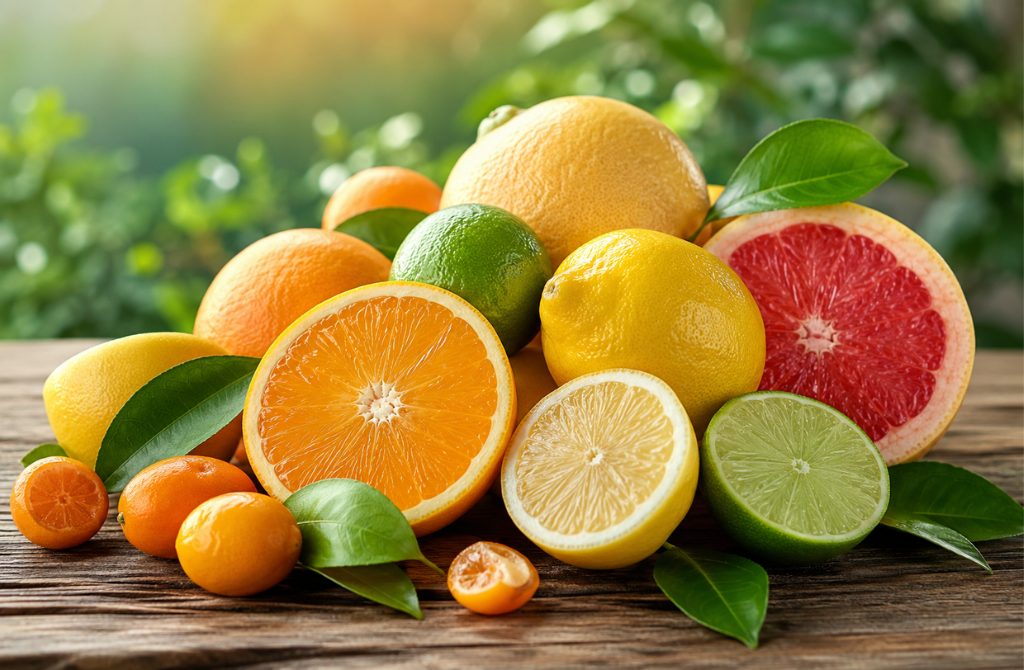
Orange, grapefruit, lemon, and lime fruits are high in vitamin C, an important nutrient that supports the proper functioning of immune cells.
Vitamin C promotes the development and activity of white blood cells, which fight off any infections in the body.
Berries
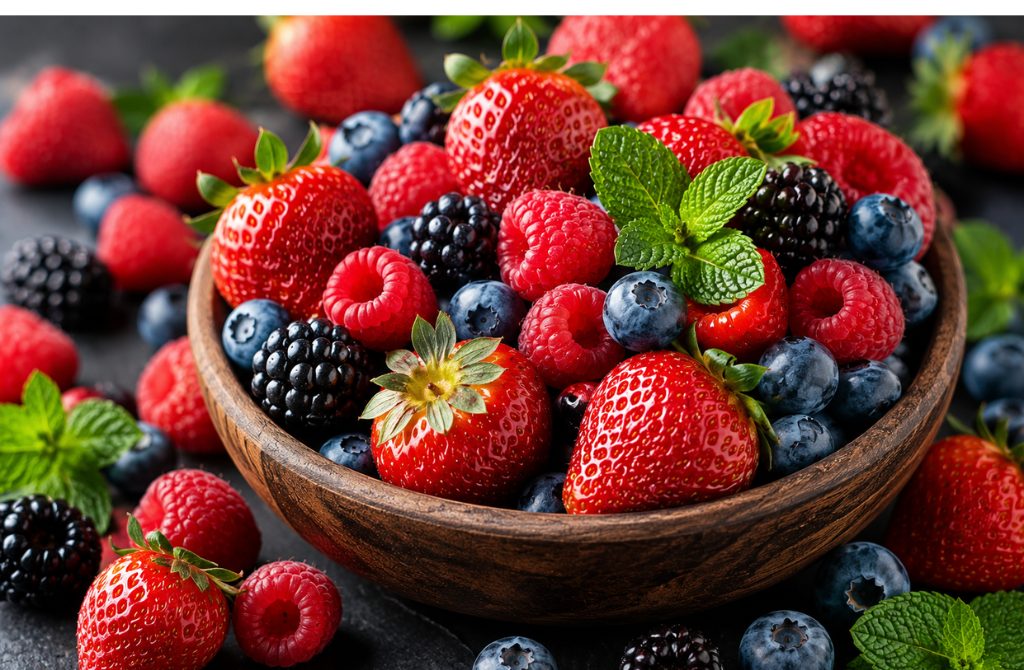
Blueberry, strawberry, raspberry, and blackberry fruits possess antioxidants that lower levels of oxidative stress and inflammation in the body.
They help prevent the destruction of immune cells as part of the aging process.
Leafy Green Vegetables
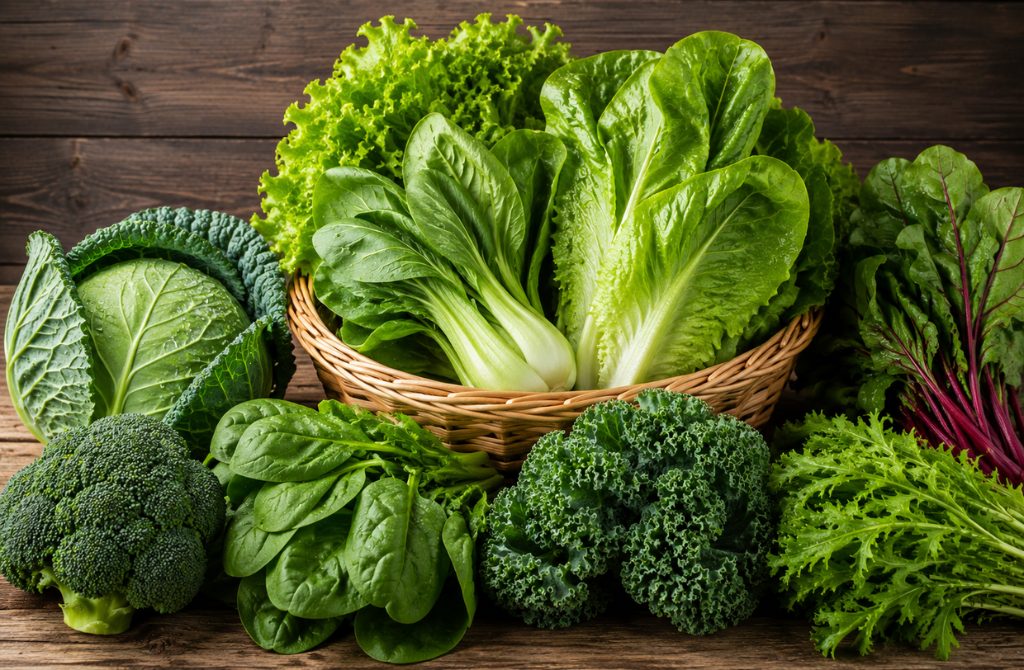
Spinach, kale, collard greens, and Swiss chard are rich in vitamins A, C, and K as well as antioxidants.
Consuming such vegetables can contribute significantly to boosting your immunity.
Garlic
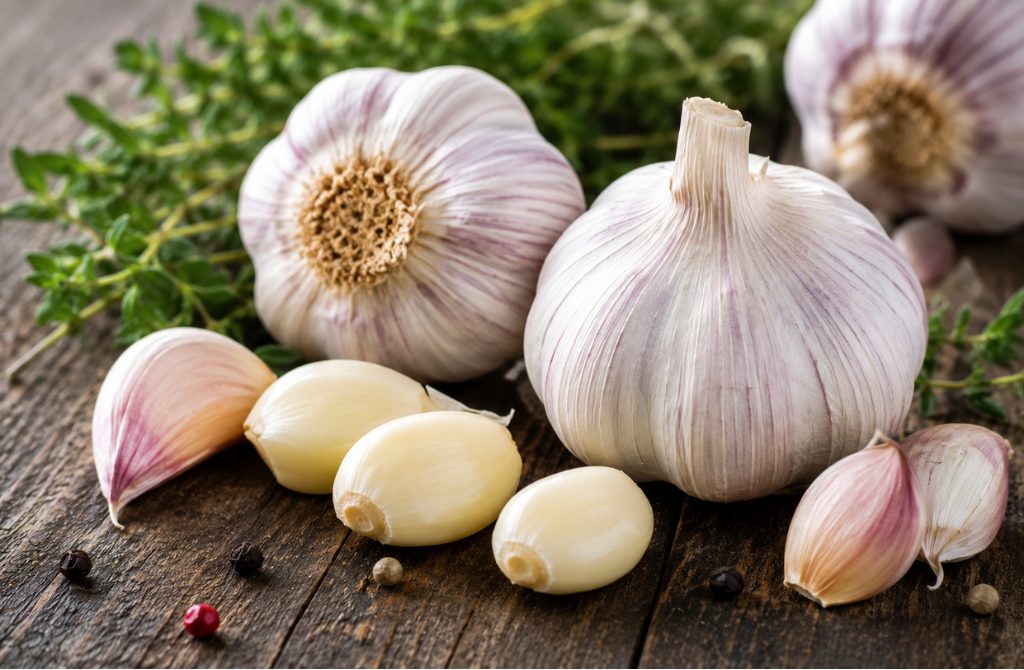
Garlic is full of sulfur compounds that can promote immune responses and contribute to heart health.
Garlic has been consumed by various communities for centuries for its wellness-promoting properties.
Fatty Fish
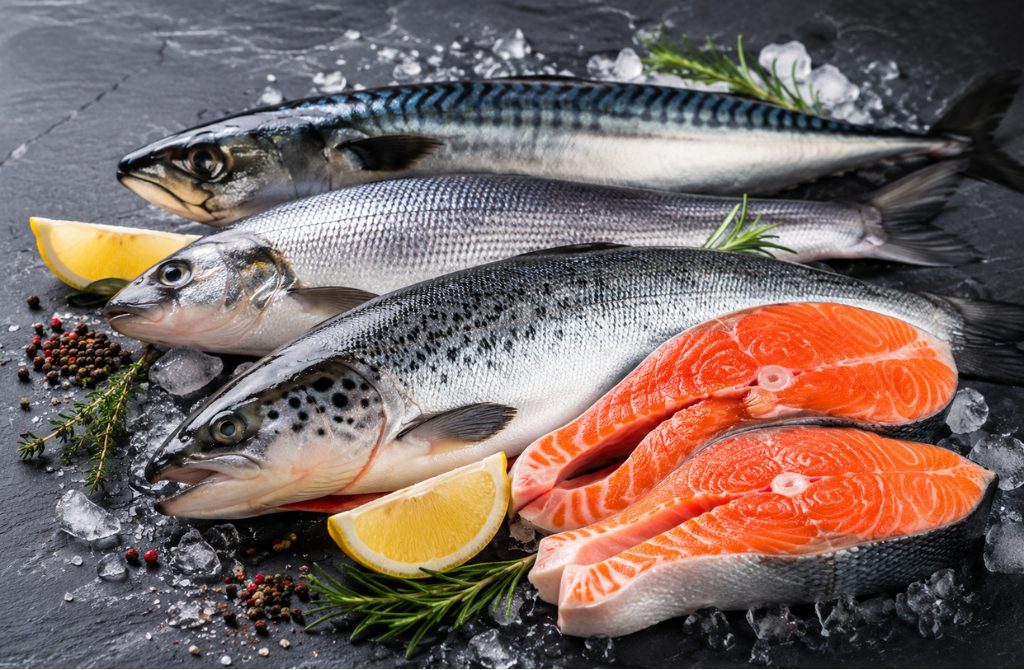
Omega-3 fatty acids are found in salmon, tuna, sardines, and mackerel and help to control inflammation in the body.
It is known that chronic inflammation may affect the immune system, which makes those healthy fats especially important for elderly people.
Yogurt and Fermented Foods
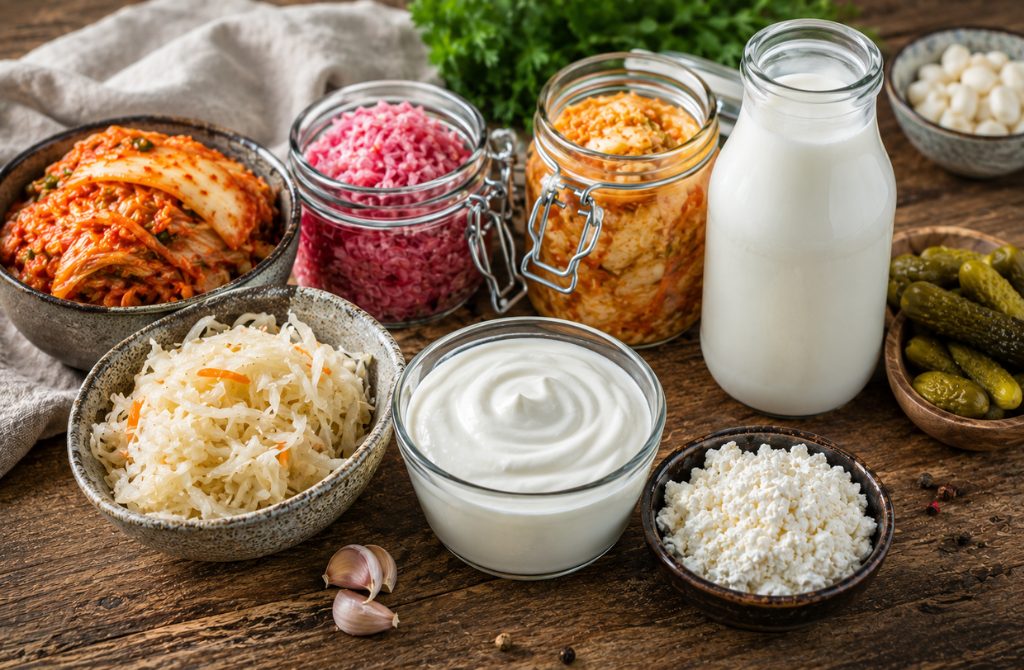
Good gut health promotes immune system efficiency.
Such foods as yogurt, kefir, sauerkraut, and kimchi contain helpful bacteria responsible for gut health and immunity.
Nuts and Seeds
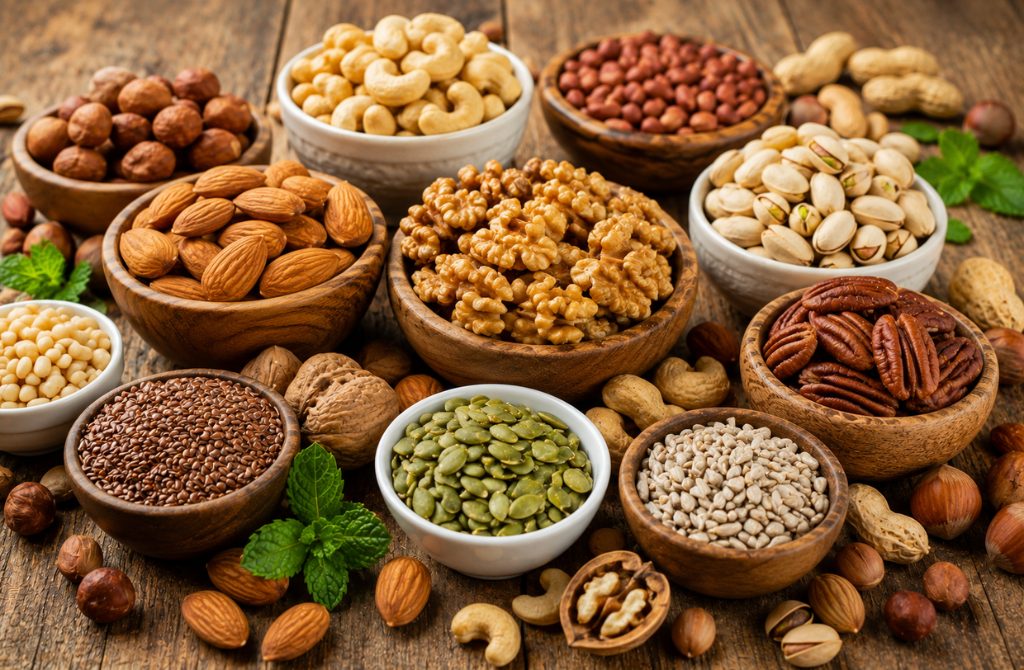
Almonds, walnuts, sunflower, and pumpkin seeds contain healthy fats, protein, vitamin E, and zinc that are vital for proper immune cell functioning and good health in general.
Vitamin C for Elderly Adults: Why It Matters
Among all other nutrients that affect immunity, vitamin C for elderly adults is of particular importance.
It is an antioxidant that protects body cells from the harm done by free radicals. Also, vitamin C is involved in such processes as:
- White blood cell production
- Antibody formation
- Wound healing
- Tissue repair
- Reduction of oxidative stress
A large number of elderly people lack vitamin C intake.
Sources of vitamin C include:
- Oranges
- Strawberries
- Kiwi
- Bell peppers
- Broccoli
- Brussels sprouts
- Tomatoes
Consumption of foods rich in vitamin C during the day is usually better than one-time consumption.
Vitamin E for Elderly Adults and Immune Support
Another important nutrient often overlooked is Vitamin E for elderly individuals.
Vitamin E is known to be an excellent antioxidant that protects immune cells from damage while helping them communicate effectively.
There is scientific evidence supporting the importance of vitamin E in boosting the immune system response in seniors.
Food sources of vitamin E include:
- Almonds
- Sunflower seeds
- Hazelnuts
- Spinach
- Avocados
- Peanut butter
As vitamin E is fat-soluble, consuming it together with healthy fats will aid in improving absorption.
Why Zinc Is Essential for Healthy Aging
Zinc is yet another important mineral that seniors should incorporate into their diet.
Zinc helps with:
- Immune cell formation
- Wound healing
- Inflammation reduction
- Protection from infections
Deficiency in zinc will affect your immune system’s responses negatively.
Sources of zinc include:
- Oysters
- Lean beef
- Poultry
- Pumpkin seeds
- Chickpeas
- Lentils
- Cashews
Seniors need to obtain zinc from their diet; however, supplementation may be advised by a doctor in some cases.
Other Important Nutrients for Elderly Immune Health
While vitamins C, E, and zinc get a lot of attention, there are some other important nutrients for elderly people.
Vitamin D
This vitamin aids the regulation of immune functions and plays an important role in keeping the bones healthy.
Due to the skin being less productive in synthesizing vitamin D when exposed to the sun due to age-related changes, the probability of developing a deficiency increases significantly.
It can be found in:
- Fatty fishes
- Egg yolks
- Enriched dairy products
- Safe amounts of sun
Vitamin A
This vitamin is needed for maintaining healthy skin and mucus membranes, which represent the body’s first barrier against pathogens.
Food sources of vitamin A include:
- Sweet potatoes
- Carrots
- Pumpkin
- Spinach
Selenium
Selenium assists in reducing the oxidative stress burden and ensures that immune cells work properly.
Some food items rich in selenium include:
- Brazilian nuts
- Seafood
- Eggs
- Grains
Iron
Iron facilitates the delivery of oxygen and participates in immune processes.
Sources of iron include:
- Meats
- Beans
- Legumes
- Iron-enriched cereals
A balanced diet remains the best approach for obtaining these nutrients consistently.
Hydration and Immune Function
While water isn’t considered as important as other components, such as vitamins and minerals, it does play a key role in maintaining strong immunity.
Hydration helps with:
- Transportation of nutrients in the body
- Excretion of wastes from the body
- Regulation of temperature in the body
- Proper functioning of cells
Aging often results in decreased sensitivity to thirst cues, making dehydration more likely.
Symptoms of dehydration might include:
- Fatigue
- Dizziness
- Dry mouth
- Disorientation
- Headache
Regular consumption of water is an easy way to ensure that your immune system works efficiently.
The Surprising Role of Sleep in Immunity
Sleep is one of the strongest immune boosters at people’s disposal.
When sleeping, your body undergoes important repairs and produces cytokine proteins that aid in fighting infections and inflammations. Lack of proper sleep makes your immune system weaker and increases vulnerability to illnesses.
Senior citizens need about seven to nine hours of good-quality sleep per night.
Some helpful practices include:
- Maintaining a consistent bedtime.
- Avoiding large amounts of caffeine in the evening.
- Reducing screen time before bedtime.
- Having an adequately cool environment in the bedroom.
- Having a regular pre-sleep routine.
Even small improvements in sleep quality can have meaningful effects on immune health.
Exercise: A Natural Immune Booster
Many people are surprised to learn how beneficial exercise is at helping to boost the immune system in older adults.
Benefits of physical activity include:
- Improving blood flow
- Reducing inflammation
- Boosting the movement of immune cells
- Improving heart function
- Helping maintain a healthy weight
The amount of exercise required doesn’t have to be extensive in order to achieve results.
Some exercises that one can undertake include:
- Taking walks
- Swimming
- Water aerobics
- Chair exercises
- Yoga
- Tai chi
- Strength training
What counts is consistency rather than the amount of exercise taken.
Just half an hour of moderate exercise on most days of the week is enough to improve the immune system’s performance.
Managing Stress for Better Immune Health
The impact of stress goes beyond psychological effects. It stimulates the production of hormones that reduce the body’s immune functions.
Some causes of stress among older adults could include:
- Health problems
- Economic troubles
- Adaptation to retirement
- Losing relatives
- Feeling lonely
Some techniques for managing stress include:
- Practicing meditation
- Deep breathing exercises
- Praying
- Working on the garden
- Reading books
- Spending time with loved ones
- Engaging in hobbies
Any small activity aimed at relieving stress will make a difference.
Social Connections and Immunity
Humans are social by nature, and good relationships have a positive impact on overall health.
There is evidence that suggests that older people who maintain social connections generally display the following traits:
- Reduced stress levels
- Improved mental well-being
- Greater physical health
- Optimal immune response
Social connections can include:
- Community groups
- Volunteer activities
- Senior centers
- Family gatherings
- Video calls with loved ones
- Faith-based organizations
Social interaction is an integral element of healthy aging that is sometimes underestimated.
Maintaining a Healthy Weight
While being overweight or underweight may affect your immunity, excess body fat can be a cause of inflammation, while being undernourished may result in deficiencies.
Healthy body weight promotes:
- Better metabolism
- Lower levels of inflammation
- Increased mobility
- Immune functioning
Instead of fixating on numbers, one needs to follow healthy eating habits and exercise regularly.
Avoiding Habits That Weaken Immunity
Certain lifestyles may negatively impact even the healthiest diets.
Smoking
Smoking adversely affects the lungs and reduces immunity.
There are many benefits that result from smoking cessation, irrespective of the person’s age.
Excessive Alcohol Consumption
Consuming too much alcohol results in weakened immunity as well as increased susceptibility to infections.
It is essential to consume alcohol in moderation for one’s well-being.
Lack of Physical Activity
Sedentariness is associated with inflammation, muscle mass loss, and poor immune response.
Moving around daily can be a great way of fighting these negative outcomes.
Vaccinations Remain Important
Having a healthy immune system and being vaccinated go hand in hand.
Though healthy behaviors positively affect immunity, vaccination provides an extra layer of protection against specific diseases.
Some of the recommended vaccines include the following:
- The flu vaccine
- Pneumococcal vaccine
- Herpes zoster vaccine
- Boosters for COVID-19
Preventive medicine still plays a vital role in wellness.
Creating a Daily Immune-Supporting Routine
Seniors often question what they can do to support their immune system health.
This can be answered by looking not at drastic but simple actions in your everyday life.
Such an action-oriented day could consist of:
- A protein-rich breakfast with fruit
- Adequate water intake throughout the day
- A morning or afternoon walk
- Colorful vegetables at lunch and dinner
- Time spent with friends or family
- Stress-reducing activities
- Consistent sleep schedule
These simple activities carried out persistently usually have a greater impact in the long run.
The Bottom Line on Immunity Boosting for Seniors
Boosting the immunity levels among senior citizens does not depend on finding some kind of miraculous supplement or a magic pill. On the contrary, it involves taking care of one’s body with the right kind of practices carried out each day.
Some of the factors that should be considered include having a balanced diet full of key nutrients, exercising regularly, getting enough sleep, drinking plenty of fluids, managing stress levels, and developing good social relationships.
Eating Vitamin C foods for elderly people, Vitamin E foods for elderly people, Zinc-rich foods for the elderly population, and other nutritious foods for elderly people can go a long way.
The secret to improving immune system function for elderly people is found in consistency. By adopting healthier lifestyles, including eating foods for a better immune system for elderly people, it is possible for people at this age to boost their immunity levels and enjoy active lives.