
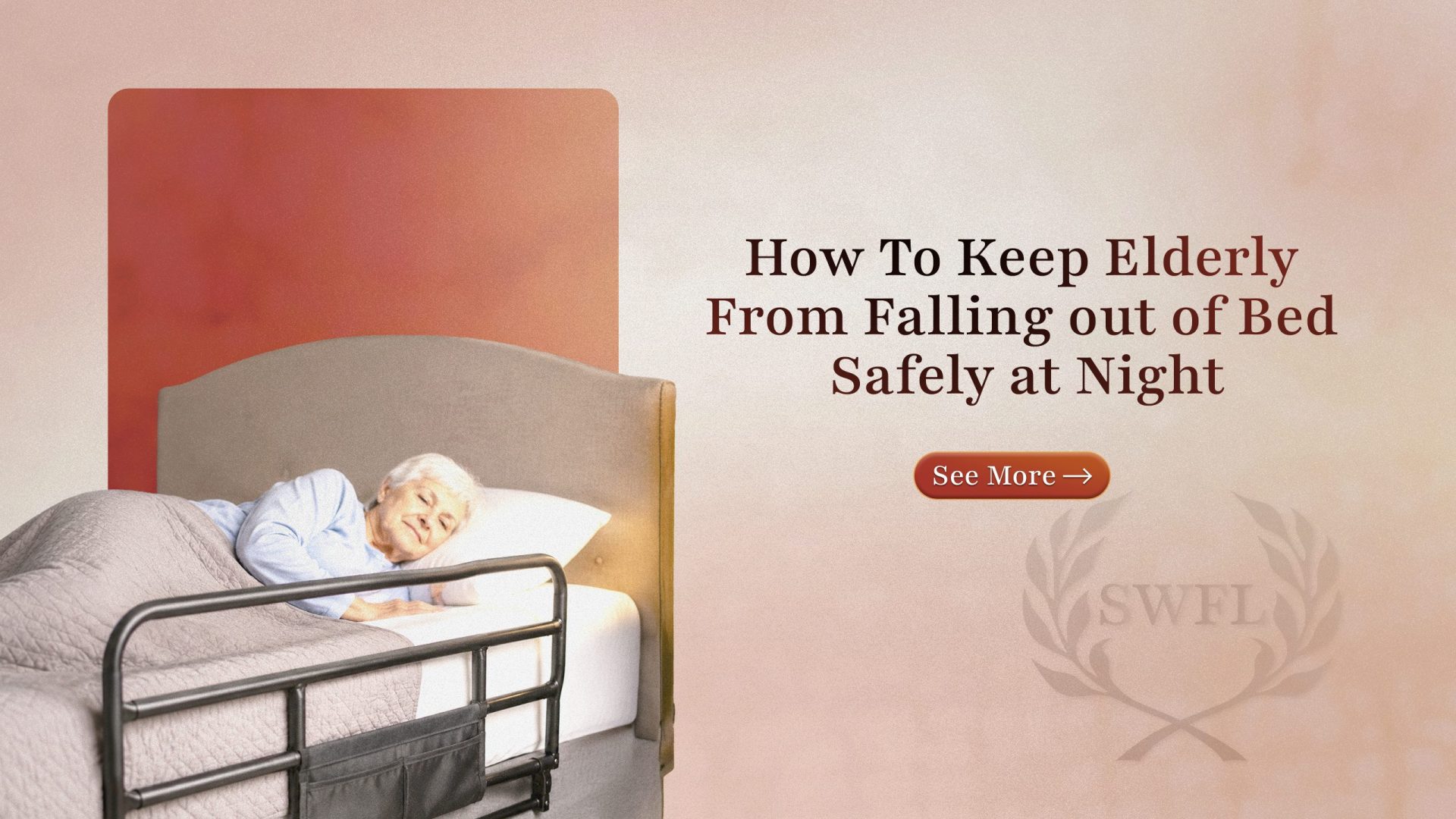
A fall in the middle of the night can change everything for an older adult. What starts as a simple attempt to turn over, get out of bed to use the bathroom, or adjust their covers, it is possible that what was initially an effort to maintain personal comfort will lead to a trip to the hospital, a broken hip, and even a lingering sense of fear about sleeping alone at night.
It would seem that what used to be an issue about mobility during the daytime has now evolved into an urgent need to ensure that the elderly remain safe when it comes to nighttime activities. However, there is no reason for anyone to despair since there are a number of things that can be done to ensure that elderly individuals will no longer need to worry about falling out of bed.
Understanding the methods that can help avoid accidental falls does not necessarily involve buying special equipment or installing bedrails. It may require knowing what physical conditions the elderly individual has, what sleep habits they have, the types of medication they take, the state of their cognition, and even what emotional issues they experience, such as anxiety or confusion, once the lights go out.
The good news is that most nighttime falls are preventable. Small environmental changes, a little bit better routines, and the right support from the family can significantly reduce risk while making them feel safe without restrictions. Create a safer sleep environment to improve the quality of life of the seniors.
Elderly Falling Out of Bed While Sleeping: Common Causes
Before solving the issue, it helps to understand the cause. While families believe that falling out of bed occurs simply due to poor balance, nighttime falls often stem from multiple interconnected issues.
The first reason is impaired body perception while sleeping. With age, muscles weaken, coordination deteriorates, and reflexes slow down. Elderly individuals tend to change their positions automatically and roll to the side without realizing it. In other instances, people wake up with a lack of orientation and try to stand up before regaining balance.
Several medical conditions can also contribute to the problem:
- Parkinson’s disease
- Dementia or Alzheimer’s
- Arthritis
- Neuropathy
- Stroke-related weakness
- Sleep apnea
- Vertigo
- Restless leg syndrome
Another common cause is the side effects of the medication. Medications such as sedatives, hypnotics, antihypertensive drugs, and antidepressants can trigger vertigo, slower reaction time, or confusion upon waking at night.
In many cases, families wondering why the elderly fall out of bed find out that the problem is related to cognitive problems rather than physical weakness. For example, seniors with dementia forget where they are, try to roam around at night, or get confused when they wake up abruptly.
Finally, improper bed height can also pose a risk. If a bed is too high, elderly individuals have difficulty entering and exiting the bed. Similarly, overly soft mattresses can be less stable and impair balance.
The Hidden Impact of Bed Falls on Seniors
The physical injury is only half of the issue. After such an accident, elderly individuals frequently become fearful, avoid movements, walk less, or experience anxiety before bed. As a result, fear can make their condition worse in a rather fast way.
A single fall can lead to:
- Reduced mobility
- Loss of independence
- Sleep disturbances
- Increased anxiety
- Social withdrawal
- Greater dependence on caregivers
- Higher hospitalization risk
For this reason, falls among the elderly cannot be considered simply a matter of ensuring safety. Fall prevention during sleep contributes significantly not only to health but also to maintaining the emotional state of elderly patients.
Caregivers and other family members also suffer emotionally. Most frequently, they constantly worry at night, listen to the room where their relatives sleep, and wake up multiple times to check their state.
How to Keep the Elderly From Falling Out of Bed Safely
Since each senior is unique, their medical conditions, ability to move around, and sleeping habits will differ. Nevertheless, some methods have been found effective enough.
Lower the Bed Height
The simplest change you can make is to reduce bed height. This way, a senior’s feet can rest on the ground when the senior is positioned near the edge of the bed.
High beds are less stable when it comes to moving in and out of the bed. Low beds are safer in case of falls, and they are more comfortable, too.
Low-height beds suit seniors with issues like:
- Weak leg strength
- Balance problems
- Dementia
- Frequent nighttime bathroom trips
In addition, some people add padded fall mats next to the bed.
Install the Bed Rails Carefully
Even if bed rails are a great idea, they need to be selected carefully. The problem is that some bed rails can pose an entrapment hazard or lead to dangerous actions, such as climbing over the rail.
The best rail types are:
- Half rails
- Assist rails
- Transfer handles
- Grab bars attached to the bed frame
It is important to ensure a senior is not restricted when he or she moves in bed. If a senior suffers from cognitive problems, it is even more dangerous because of attempts to climb the rail.
Use Non-Slip Flooring Around the Bed
Most falls happen right after waking up rather than occurring while sleeping.
Slippery rugs, mats, or smooth flooring around the bedside must be avoided.
They should instead opt for:
- Non-slip socks
- Textured floor mats
- Stable footwear
- Motion-activated lighting
This ensures good night vision and prevents instant slips when visiting the washroom at night.
Better Night Lighting
The lack of light accounts for a major portion of disorientation. Sudden wake-up calls among seniors can make them trip or lose balance due to poor visibility.
Effective methods of enhancing light include:
- Motion sensor nightlights
- Under-bed LED lighting
- Hallway illumination
- Touch-sensitive bedside lamps
Low-intensity lights are preferable over high-intensity ones since the latter cause visual shock and disrupt orientation.
The Role of Sleep Patterns in Elderly Falls
Quality of sleep determines nighttime safety. Elderly people who wake up frequently or do not sleep peacefully are more prone to falls.
Some common risks associated with sleep include:
- Insomnia
- Sleepwalking
- Frequent urination
- Medication interference
- Chronic pain
- Anxiety
- Sundowning syndrome (in the elderly with dementia)
Good sleeping habits will help avoid unnecessary wandering and confusion at night.
Some of these good sleep practices include:
- Avoid caffeine intake before sleep
- Limit screen time before sleep
- Having regular sleep schedules
- Ensuring clear paths before sleep
- Going to the toilet before bed
In elderly people with dementia, calmness in the evening is essential. Excessive noise or disturbances could lead to agitation at night.
Choosing the Right Mattress Matters
Mattresses affect mobility more than caregivers often understand. While very soft mattresses might feel very comfy, they can leave seniors vulnerable to unstable sleeping positions.
Good mattresses for seniors should include:
- Moderate firmness
- Pressure relief
- Supportive edges
- Easy repositioning
- Reduced sinking
Adjustable mattresses can help senior patients get up from sitting positions slowly in order to avoid dizziness and poor balance.
Proper mattresses are especially important for seniors who are recuperating from surgeries or are experiencing chronic pain conditions, for fall prevention advice for the elderly.
How Cognitive Decline Changes Fall Risks
Dementia introduces an entirely new level of complications. Memory-impaired seniors might be unable to orient themselves within their environment in the nighttime hours. They can get scared upon waking up, or they will try to “go back home” even when they are already at home.
In such cases, methods aimed at minimizing confusion should take priority over enhancing balance.
Some examples of useful techniques include:
- Keeping familiar objects nearby
- Using calming bedtime routines
- Avoiding room rearrangements
- Installing door alarms if wandering occurs
- Using low beds instead of restrictive rails
One might find out that comforting the senior emotionally is as vital as making physical adaptations.
Sometimes, dementia sufferers need visual orientation aids such as well-lit bathrooms or clear paths. Other times, soft music or a weighted blanket will do the trick for them.
Bathroom Trips: The Most Dangerous Nighttime Moment
A huge percentage of falls at night occur due to sudden visits to the toilet. Elderly individuals often rush to the bathroom because they fear incontinence.
It forms the ideal combination of factors:
- Drowsiness
- Poor lighting
- Sudden standing
- Weak balance
- Rushing
Precautions that can be taken:
- Place mobility aids within easy reach
- Install grab bars in bathrooms
- Use raised toilet seats if needed
- Keep pathways clutter-free
- Encourage slow movements from lying to standing
In some cases, elderly patients require the use of bedside commodes if their mobility is severely restricted.
The timing of hydration can also contribute. Limiting fluid consumption close to bedtime can significantly decrease urgency at night without inducing dehydration.
Solutions for Elderly Falling Out of Bed: Technology and Safety Aids
Modern senior care technology has evolved significantly. Currently, caregivers can incorporate smart devices that increase safety without seeming invasive. These include:
Bed Exit Alerts
These sensors help the caregiver know when the elderly person starts to exit the bed. These sensors will be especially helpful for those suffering from dementia or prone to falling.
Motion Sensors
This device turns on lights automatically or helps keep caregivers aware of movements during nighttime.
Wearable Fall Detection Devices
Devices like smart watches or medical alert pendants send out alerts in case the user falls.
Adjustable Smart Beds
These devices track movement patterns and change position to ensure the user’s safety and comfort.
It should be noted that technology needs to empower and not replace human caregiving.
Exercises That Help Prevent Nighttime Falls
Balance and strength training continue to be some of the most efficient methods in preventing falls in older adults.
Even minor changes in mobility can have significant impacts on reducing one’s chances of having a fall accident.
Examples of helpful exercises are:
- Chair exercises
- Tai chi
- Gentle yoga
- Leg strengthening routines
- Balance drills
- Walking programs
Physical therapy can prove extremely useful for individuals who have previously fallen or undergone surgery.
Having strong core muscles will allow older people to move around freely when lying down in bed, while strong legs provide additional stability when standing up.
In most cases, it is consistency that counts more than the intensity of the exercises.
Medications That Increase Fall Risk
Medication review is one of the most underused types of falls prevention for the elderly population.
The elderly may take several prescriptions that affect each other in terms of balance, alertness, or blood pressure levels.
Medications associated with high risk include:
- Sleeping pills
- Sedatives
- Anti-anxiety medications
- Blood pressure drugs
- Certain pain medications
- Muscle relaxers
Caregivers should always consult healthcare professionals about side effects, particularly when introducing a new drug.
Do not suddenly discontinue any prescribed medications. Try to find safer alternatives or decrease dosages.
Emotional Resistance to Safety Changes
Older people are reluctant to accept changes in order to prevent falls. For example, bed rails, alerts, or mobility devices can be perceived as embarrassing and indicate a loss of independence.
This issue requires consideration.
When proposing changes, do not describe them as limiting. Explain that they are aids that enable seniors to be more independent and confident.
Effective communication methods include:solutions for elderly falling out of bed
- Asking for their preferences
- Explaining the purpose calmly
- Avoiding infantilizing language
- Prioritizing comfort and dignity
- Introducing changes gradually
Fear of being perceived as elderly sometimes prevents seniors from using safety equipment.
Learning how to prevent elderly from falling out of bed involves more than using safety equipment. A combination of proper bedroom design, healthy sleep routines, and mobility support often provides the best protection.
Creating a Safer Bedroom Environment
The complete layout of the bedroom matters in preventing falls of your loved ones.
In general, a safer room is one that has:
- Clear walking pathways
- Minimal clutter
- Stable furniture
- Accessible lighting
- Secure rugs or no rugs at all
- Easy access to water and medications
The positioning of furniture needs to facilitate movement rather than hinder it.
Sometimes, some caregivers inadvertently fill the bedroom with too much furniture for decoration and storage, making it more hazardous during the night.
When Professional Care Becomes Necessary
Sometimes, there will still be nighttime falls, no matter how many adjustments to homes. Nighttime falls might be indications of poor mobility, more developed dementia, or increasing health concerns.
Professional assistance includes:
- In-home nighttime caregivers
- Assisted living communities
- Skilled nursing care
- Memory care facilities
- Rehabilitation programs
Family members delay seeking professional assistance because they equate it with failure. The truth is that professional assistance can make a massive difference to someone’s life.
Professionally-run facilities geared toward preventing elderly falls have specialized flooring, tracking technology, specially trained employees, and safer facilities.
Signs That Fall Risk Is Increasing
Families tend to overlook initial signs that precede such a major incident.
Warning signs include:
- Increased nighttime wandering
- Trouble sitting upright
- Poor balance
- Confusion
- Furniture grabbing while walking
- Dizziness
- Unexplained bruises
- Sleep pattern changes
Small near-misses shouldn’t be overlooked either,r since they usually point to bigger problems lurking beneath the surface.
Proactive action will almost always yield superior results compared to reacting to an emergency situation.
Supporting Independence While Improving Safety
One mustn’t aim at restraining all actions. Doing so may limit seniors’ activities, cause muscle weakness, and provoke frustration.
The best fall prevention advice for elderly patients is to find an optimal balance between safety and independence.
Forget about thinking only in terms of “preventing falls.” Help the elderly move around with ease and confidence instead.
It makes a huge psychological difference. Those who see themselves as independent will feel encouraged to stay active and happy.
Safety should never feel like imprisonment.
Family Caregivers Need Support Too
Taking care of older people at night takes a toll on caregivers. Sleep deprivation influences the mental health and physical condition of the caretaker.
The fear that there will be another fall at night keeps many people awake all night long. Caregiver assistance may involve:
- Respite care
- Shared caregiving schedules
- Monitoring technology
- Support groups
- Professional consultations
Preventing exhaustion and caregiver burnout is an integral component of quality assistance.
The most effective solutions for elderly falling out of bed are personalized to each individual’s health, mobility, and sleeping habits, combining practical safety measures with ongoing medical and caregiver support.
Final Thoughts on How to Keep the Elderly From Falling Out of Bed
To understand how to keep the elderly from falling out of bed, one needs to learn about the reasons why older people often find themselves on the floor after midnight. Prevention and proper care will require more than purchasing certain products or following a few tips.
In some cases, a lower height of the bed and better lighting will be enough to eliminate any risk of falls at night. For others, a medical evaluation will be essential. However, the solution will always depend on the specific case. The most effective methods of prevention are usually multiple.
However, it should never come at the cost of dignity. Elderly patients must have safeguards put in place that ensure their well-being without taking away from their sense of independence and comfort. Small changes taken early on can save from larger problems down the line.