
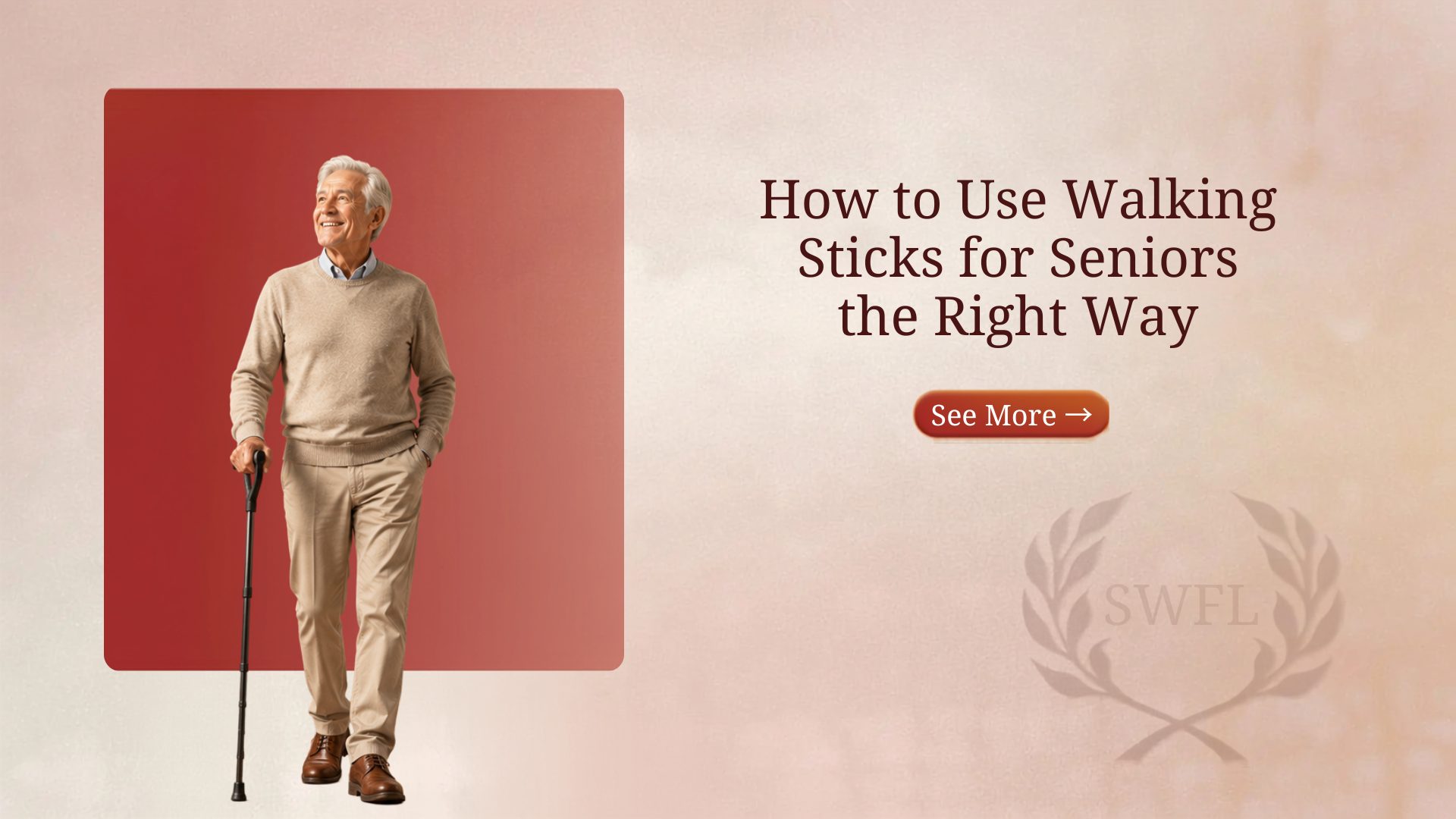
A simple walking stick can change the way an older adult moves through daily life. A walking stick is a powerful instrument that can improve mobility and eliminate the fear that stands between confusion and confidence. Walking sticks are often associated with old age or weakness, but they can be useful tools for staying independent longer.
Many people delay using a walking stick because of prejudices, yet such devices can provide additional protection for senior citizens. With the help of walking sticks, seniors can safely walk, leave the house, attend social events, shop, and engage in other activities.
To avoid further injuries, senior citizens need to learn to use walking sticks properly. It is important to select the most appropriate walking stick. Besides that, proper adjustment is required, and only when all steps are completed can a senior citizen start moving safely and comfortably.
Why Walking Stability Matters More With Age
The aging process naturally alters the human body’s balance mechanism, making muscles weaker, slowing down reactions, and reducing joint flexibility. For example, even people in good condition will start experiencing slight problems such as:
- Feeling unsteady while climbing stairs
- Needing support while getting up from a chair
- Slower walking speed
- Difficulty walking on uneven surfaces
- Fear of slipping during rainy weather
- Fatigue after short walks
Such signs usually come slowly, but once they appear, they make one realize the loss of balance even more when falling or sustaining an injury.
As research shows, falls remain among the most common causes of injury in older adults. Often, using a walking stick can help to maintain stability before it becomes a problem that might cause harm.
However, one should remember that walking safely is necessary not only for one’s physical health. Balance issues can reduce mobility and limit seniors’ activities, leading to emotional isolation, reduced exercise, and faster physical deterioration.
That is why walking sticks for seniors should not be treated only as an aid.
When Should Elderly People Start Using a Walking Stick?
One of the most common questions families ask is: When should older adults start using a walking stick?
This tends to happen sooner than most would think.
First of all, it is not necessary that a person only gets a walking stick due to major injuries or falls. The device actually becomes important when there start to be problems concerning balance, strength, and walking in general.
The symptoms include the following:
Frequent Loss of Balance
When a senior tends to stumble easily, or when he tends to wobble during his steps, or even clings to things nearby when walking, he needs a walking stick.
Joint Paint During Movement
Due to illnesses such as arthritis, joints such as the knees, hips, or ankles start getting affected. The walking stick makes it possible for a person to shift some of their weight and alleviate some pressure on joints.
Recovery After Surgery or Illness
Most older adults tend to get walking sticks, especially after operations, surgeries, hospitalization, or even if they have suffered any fractures.
Fatigue During Walking
When one tires easily while walking, it means that the person needs extra support as far as balance goes. This will make it easy for older people to walk without getting fatigued easily.
Fear of Falling
Although the problem might actually be minor, at times, the fear of falling ends up affecting one physically.
Waiting too long may weaken the muscle movement, so early support often helps seniors remain independent for a longer period of time.
Advantages of Using a Walking Stick
The benefits of walking sticks go far beyond basic walking assistance. They improve mobility in several physical and psychological ways.
Better Stability During Movement
One of the primary functions of walking is stability. These devices improve the base of support for a senior while moving around.
It can be used while you walk in:
- Uneven sidewalks
- Wet terrains
- Slopes
- Crowded environments
- Going up or down the stairs
The slightest improvement in stability can help prevent seniors from falling down.
Reduced Pressure Joints
Using walking sticks enables a transfer of some of the body weight onto the sticks and not directly onto the painful joints.
This can be useful for reducing joint pain from:
- Arthritis
- Painful knees
- Weak hips
- Lower back stress
Walking becomes easier due to reduced pressure on certain joints.
Improved Posture
When no one is watching, seniors are more likely to move around carelessly or bend down to pick up something. The use of a well-adjusted walking stick can promote their posture while preventing any strain on the neck or the shoulder.
Increased Walking Confidence
Confidence is very important when it comes to mobility. For example, those who feel confident and assured are more likely to:
- Walk outdoors frequently
- Take part in activities
- Exercise regularly
- Maintain their social lives
So, the psychological aspect is just as important as the physical one.
Encouragement for Daily Exercise
With limited mobility, seniors end up becoming inactive. With the use of a walking stick, exercise becomes easier and safer, hence keeping them fit.
Independence
Independence is perhaps the biggest benefit of using a walking aid to provide stability for seniors.
Being able to walk around the house or supermarket alone or attend an event among family members without relying on anyone else makes a huge difference.
Which Walking Stick Is Best for the Elderly?
Not every walking stick works for every senior. There are factors to consider regarding mobility issues, physical strength, stability, and general lifestyle that will determine which stick suits you best.
Having an idea about the basic types of sticks makes it much easier.
Standard Walking Stick
Standard walking sticks are the most common types and are good for seniors with slight instability problems.
Key features include:
- Lightweight build
- Simplified design
- Ease of movement
- Overall comfort when used regularly
Standard sticks are perfect for seniors who require only minor support when walking both outside and indoors.
Quad Cane
Instead of one foot, quad canes have four smaller ones at the bottom end.
Advantages include:
- Improved stability
- Even weight distribution
- Support for severe stability issues
This kind of walking stick is recommended especially for recovering patients or seniors with substantial mobility problems.
However, it usually feels heavier compared to standard ones.
Folding Walking Stick
Folding walking sticks are convenient when it comes to portability.
Their primary uses include:
- Traveling seniors
- Only occasional use
- Storage inside bags, purses, or vehicles
Contemporary designs have proved to be both robust and light enough.
Adjustable Walking Stick
Height adjustment ensures proper posture and improved comfort when using the walking stick.
The importance of height adjustment is emphasized by the fact that the inappropriate height may cause:
- Wrist strain
- Shoulder problems
- Backache
Therefore, this type of cane design is particularly useful when several people share the same cane and/or the exact height is critical.
Offset Handle Cane
The design of the offset handle makes the process of even weight distribution more effective.
This cane design guarantees:
- Enhanced grip
- Proper balance
- Less pressure on hands
Most therapists strongly advise these models to elderly persons who use their cane during the whole day.
Choosing the Right Handle Style
The handle is much more important than it may seem at first.
Possible handle types include:
- Crook handle
- Derby handle
- Foam grip
- Ergonomic grip
Ergonomic and foam grips tend to be much more comfortable for elderly persons with arthritic hands.
The best walking stick is the one that feels good to you.
How to Properly Size a Walking Stick for Seniors
An incorrectly sized walking stick can worsen balance problems instead of solving them.
To measure correctly:
- Stand straight with regular walking shoes on.
- Allow the arms to hang naturally by the sides.
- The handle should line up with the wrist joint.
- There should be a slight flexion of the elbow joint, between 15 and 20 degrees.
In case of a higher walking stick:
- The shoulder girdle may rise unnaturally
- Strain on the arm increases
- Walking posture will be compromised
In case of a lower walking stick:
- Elders might lean forward
- Worsening of back pain
- Instability
It is important to get the correct size of the walking stick.
Proper Use of Walking Sticks for Seniors
The proper use of walking sticks for seniors begins with choosing the correct height, holding the stick on the stronger side, and maintaining a natural walking posture to maximize stability.
Example:
When the left foot is weak or painful, use the right hand for the walking stick. When the right foot is weaker, hold the walking stick with the left hand.
This helps the body maintain its weight distribution when walking. The walking stick should move forward with the weaker limb simultaneously.
How to Use Walking Sticks Correctly for Seniors: Common Mistakes to Avoid
Many older adults use walking sticks improperly without realizing it.
Here are common mistakes that make the tool ineffective.
Using the Wrong Height
Misadjusted sticks lead to poor posture and unnecessary strain.
Leaning Too Heavily
While these sticks offer support, they should not be used for the entire weight of the body. Leaning too much may cause imbalance and wrist strain.
Ignoring Wornout Rubber Tips
Rubber tips help to improve traction. Once old and worn out, they pose an immense risk of slips and falls. Regular replacement is necessary.
Looking Down Constantly
This leads to misdirection where the user does not see any objects within their path.
Choosing Style Over Stability
Some seniors choose a walking stick just because of its looks, forgetting that they should prioritize comfort and stability.
Indoor vs Outdoor Walking Support
There are seniors who use walking sticks inside their homes easily, but do not have such ease when outdoors.
This is perfectly alright.
Outdoor settings are different from indoor ones due to:
- Irregular pavements
- Curb edges
- Crowded places
- Water hazards
- Extended walking distances
Many times, older people will need more assistance outside their houses than indoors.
Some will need the walking stick for:
- Morning walking
- Shopping activities
- Travelling
- Social engagements
Others may require constant support daily.
How Walking Sticks Support Active Aging
Mobility directly influences healthy aging.
Seniors who continue to move around tend to enjoy:
- Improved heart health
- Enhanced muscle strength
- Less stiffness
- Improved mental health
- Increased self-confidence
Unfortunately, many seniors avoid being physically active due to the fear of falling.
Walking sticks make seniors feel physically secure, encouraging them to be active.
This is huge when we talk about long-term effects.
Being physically active also allows seniors to:
- Keep social contacts
- Stay involved in community events
- Maintain cognitive functions
- Stay emotionally independent
Sometimes, it only takes such a simple tool as a walking stick to contribute to each of these areas of a person’s life.
The Emotional Side of Using a Walking Stick
It’s no secret that many seniors refuse to use mobility tools because they don’t want to look dependent. This issue can be complicated for families as well.
However, there is one psychological approach worth thinking about:
Use of a walking stick doesn’t make you less independent. It keeps you independent.
A senior who refuses to get mobility assistance despite their problems with balance may end up with a fall that will seriously decrease their independence.
Today’s walking sticks also offer many design options:
- Lightweight aluminum models
- Classical wooden styles
- Ergonomic design options
- Various fashionable finishes and colors
For many seniors, confidence increases once they realize how much easier walking feels with proper support.
How to Use Walking Sticks for Seniors Safely
Switching to a walking stick may be emotionally and physically taxing.
Here are some things that families can do to help:
Encourage Practice Indoors First
Using the stick inside the house allows older adults to gain confidence before venturing outside.
Focus on Confidence, Not Limitation
Avoid talking about the need for a walking stick as if it represents disability.
Emphasize:
- Safety
- Independence
- Overall energy
- Freedom of movement
- Pick a Walking Stick that Fits Well Together
Seniors tend to accept walking sticks more readily when allowed to choose one themselves.
Consult Professionals When Needed
Physical therapists can instruct older adults on how to walk properly and what kind of walking sticks would suit them.
Sometimes just one consultation will do wonders.
Learning how to use walking sticks for seniors correctly helps improve balance, reduce strain on the joints, and build confidence during everyday activities both indoors and outdoors.
6 Essential Walking Stick Safety Tips for Seniors
There are a number of safety tips that should never be overlooked.
- Check the Rubber Tip Often – Rubber is needed to prevent slipping on hard surfaces.
- Avoid Slippery Footwear – Older adults use walking sticks along with their shoes to provide support.
- Keep Pathways Clear – Rugs, cords, and other obstructions pose a hazard indoors.
- Use Proper Lighting – Good lighting makes it easier and safer to walk, particularly after dark.
- Replace Damaged Walking Sticks – Bent shafts or loose handles make older adults less secure.
Aids for mobility must be well maintained at all times.
Walking Sticks and Long-Term Senior Wellness
It is common for people to assume that walking sticks serve only to improve immediate mobility problems. In truth, walking sticks frequently enhance long-term well-being through consistent activity levels.
By continuing to walk on a regular basis, seniors can sustain:
- Strong bones
- Flexible joints
- Healthy heart
- Good circulation
- Muscle stamina
Even regular walking at a moderate level will help promote healthy aging.
The aim is not just fall prevention. The aim is longevity while maintaining quality of life.
Walking sticks enable many seniors to remain engaged in activities that provide structure and pleasure.
Those include:
- Gardening
- Visiting with friends
- Walking one’s pets
- Independent shopping
- Community events
- Safe travel
Mobility assistance ultimately helps emotional well-being as well.
Final Thoughts
Understanding how to use walking sticks correctly for seniors can help prevent falls, improve mobility, and ensure older adults receive the full benefits of using a properly fitted walking aid. Walking sticks for senior citizens do not symbolize limitation. They help them to move around safely, with more confidence and freedom.
A suitable walker may help to decrease strain and improve balance, which will ensure that the seniors are able to go on leading an active life. The use of the right walking stick for seniors is essential; hence, determining the time to start using them, their benefits, and the most appropriate ones will contribute greatly.
Above all, starting early enough with the walkers will enable the seniors to be involved in what they hold dear the most.
In certain instances, it may not be the issue of being able to do things alone that constitutes independence; rather, it means having the proper means for doing things effectively and independently.