
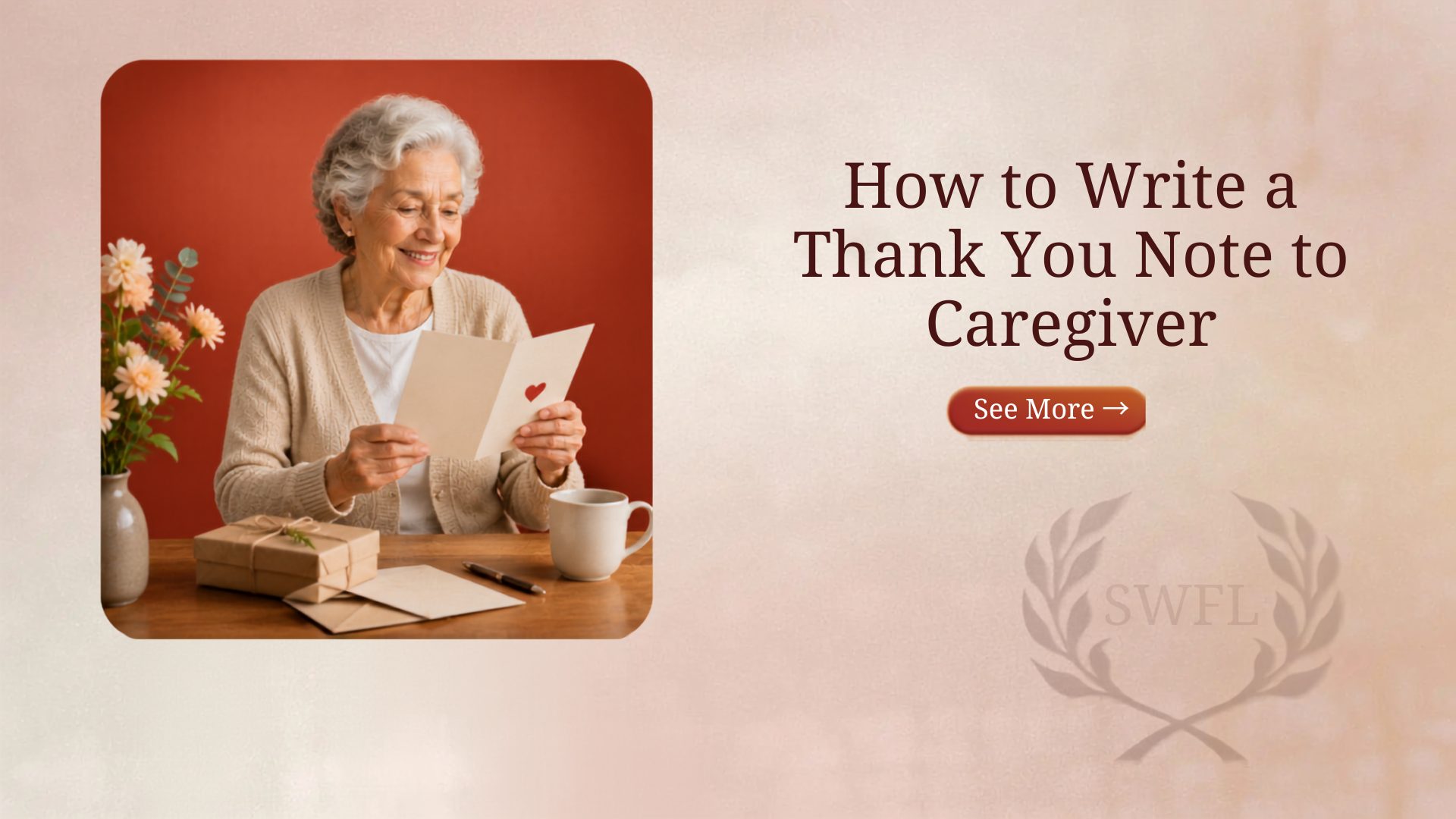
There comes a moment in many families when words feel too small.
A caregiver has been there through hospital visits, tough mornings, medicine schedules, emotional meltdowns, sleepless nights, and endless acts of kindness that usually go unnoticed. They’re there when others can’t be. They give comfort in uncertainty and bring stability in chaos. But when it’s time to say thanks, many are left staring at a blank card with no idea what to write.
“Thanks” feels important, yet it always feels not enough.
The thing is, caregivers typically don’t look for praise. Most just want to help. Still, a heartfelt note means a lot more than folks might think. It shows you noticed their hard work, appreciate their dedication, and recognize how their compassion truly made a difference.
Whether it’s a pro caregiver, a nursing aid, some assisted living staff, a home health helper, or even a family member filling a caretaking role, letting them know you value them can really reinforce bonds and make wonderful memories.
This guide looks at why showing appreciation for caregivers matters, ways to write messages that come from the heart, and examples that you could tailor to fit your own situation.
Why Caregivers Deserve More Recognition?
Caregiving is one of the most emotionally demanding responsibilities a person can take on.
Caregiving is among the most emotionally tough responsibilities out there.
Every day, caregivers handle all sorts of stuff, physical aid, cheering people up, sorting through medical needs, making personal sacrifices. And a lot of the time, they do this without much fanfare. Even though each situation is different, the difference they make is huge.
Many caregivers become way more than just service providers; they’re actually trusted buddies. Whether it’s rejoicing in tiny wins, comforting someone through rough patches, or easing hard transitions, they add so much. Patients and the elderly especially feel better because of their company.
However, being a caregiver can really wear you down. It takes a toll dealing with long hours and constant emotional strain. Showing appreciation though, like with a simple thank-you, means a lot.
These messages remind professionals that what they do isn’t unseen or unappreciated, it really, truly matters.
The Power of a Simple Thank You
People often undervalue the power of sincere appreciation.
Research clearly shows that getting recognized can boost spirits, make jobs more satisfying, and enhance emotional health. Though caregivers get paid, there’s no money amount that compares to the joy of knowing you’ve genuinely made a difference in someone’s life.
Showing thanks with something as simple as a handwritten note, letter, or message can do a lot.
- Strengthen the bond between caregiver and family.
- Boost confidence and motivation.
- Reduce feelings of stress and emotional fatigue.
- Create a positive and supportive environment.
- Show respect for the caregiver’s dedication and hard work.
Small acts of kindness often stick with people for years. Caregivers tend to recall those families who made time to say thanks. It serves as a reminder of why they entered the field in the first place.
Why Writing a Thank You Note Feels So Difficult?
Writing thank-you notes can be tough since feelings are hard to express.
When people help take care of a loved one during rough times like sickness or old age, feeling really grateful is common. The problem? Figuring out how to say it right.
But here’s the thing: you don’t need everything to be perfect.
All a caregiver wants is for you to be sincere. They’d rather read an honest, heartfelt message than something fancy that feels fake.
So, if you’re not sure what to write, just keep it real, focus on authenticity rather than perfection. That’s what matters most.
How to Write a Thank You Note to a Caregiver
Writing a meaningful note gets easier if you break it down into smaller parts.
Start With a Warm Greeting
This little detail makes your message feel more personal, showing them that you’re thinking of them directly. For instance:
“Dear Sarah,” or “Dear Michael,”
Including their name at the start really sets the right mood for everything else you want to say.
Express Genuine Gratitude
Tell them why you appreciate them. Don’t go for vague stuff; keep it sincere. Mention something they did or said that truly mattered to you or someone you both know.
Maybe talk about how they stayed so patient through tough times, or the kind things they did for your loved one. You could acknowledge how dependable and professional they’ve been or the emotional support they offered during stress.
These details make your gratitude more genuine and heartfelt.
Share a Personal Impact
This is often the most powerful part of the note.
Describe how the caregiver’s actions influenced you or your loved one. Maybe they made someone feel safe, helped regain confidence, eased anxiety, or made daily life better.
When caregivers see the effect of their work, the message becomes really meaningful.
End With Warm Wishes
Wrap up your note with true appreciation and good wishes. Simple endings work great:
- With heartfelt thanks
- Sincerely
- With gratitude
- Warm regards
It leaves the caregiver feeling valued and appreciated.
What Makes a Thank You Note Truly Memorable?
Not all thank-you messages have the same emotion, right?
The ones that stick out include personal stuff that shows real appreciation.
- A specific moment you remember.
- A challenge they helped overcome.
- A personality trait you admire.
- The comfort they brought to a difficult situation.
- The positive difference they made in daily life.
Details can turn a typical message into something really heartfelt.
Take this for instance: “Thanks for your care” is nice. But, “Thanks for sitting with my dad every afternoon and making him laugh when he hardly ever smiled” means so much more. You know, it leaves a huge impact on people.
Sample Thank You Note to Caregiver
Sometimes seeing an example helps inspire your own message.
Dear Jenny,
I wanted to say thanks from the bottom of my heart for taking such amazing care of my mom over the past year. You weren’t just kind and patient, you showed real compassion that both my mom and our whole family felt.
Think about all those tough days, your encouragement meant the world to her. It made a hard time a bit easier because we knew she was in good hands.
We’re so grateful that you went above and beyond what was required. The warmth and respect you showed every single day won’t be forgotten.
Thanks for being there for my family during one of the toughest times. Your kindness will stay with us forever.
With sincere appreciation,
The Thompson Family
Short Thank You Note for Caregiver Examples
Sometimes a brief message is all that’s needed.
Here’s a bunch of quick thank you notes for caregivers:
- Thanks for your compassion, patience, and dedication. Your care means more to our family than we can put into words.
- Your kindness made tough days better. Thanks for everything.
- We really appreciate the care and support you gave. Your commitment and warmth made a big difference in our lives.
- Thanks for always coming with a smile and caring heart. We’re super grateful for your support.
Writing a Thank You Letter for Caregiver Professionals
A longer letter lets you show deeper gratitude too. Unlike a short card, a lengthy letter can be filled with stories, reflections, and personal memories.
You could write about:
- How the caregiver helped during a specific challenge.
- The qualities that stood out most.
- The positive changes you witnessed.
- The comfort they provided to your loved one.
- The peace of mind they gave your family.
Because these letters often end up being treasured keepsakes that hold onto those special moments and feelings.
Thanking Family Caregivers
Professional caregivers aren’t the only ones who deserve thanks.
Family members often jump into caregiving with barely any prep and tons of responsibility.
Think about adult kids looking after aging parents. Or spouses becoming full-time caregivers when someone gets sick or hurt. Don’t forget siblings pitching in together during medical emergencies.
These family caregivers give up so much, personal time, career opportunities, money, and emotional energy, all to support their loved ones.
A thoughtful thank-you message shows how much we appreciate their hard work and all the sacrifice they’ve made.
When Is the Best Time to Give a Thank You Note?
You can show gratitude anytime, but certain moments call for a thank-you message more than others.
These include:
- After recovery from an illness.
- At the conclusion of caregiving services.
- During holidays.
- On caregiver appreciation days.
- After a major milestone.
- Following a move into assisted living.
- At the end of hospice care.
What really matters isn’t the timing,it’s the sincerity. Even if it’s unexpected, a simple note can brighten someone’s day and give them encouragement when they need it most.
Other Ways to Show Appreciation Alongside a Thank You Note
Words are powerful, but combining a note with a thoughtful gesture can really amp up its meaning.
Consider jazzing up your message with:
- A bouquet of flowers.
- A gift card.
- Homemade treats.
- A framed family photo.
- A small appreciation basket.
- A recommendation letter.
- A positive online review.
While those ideas might boost your note, remember the message itself is key. The little gift just helps drive home your thanks.
Common Mistakes to Avoid
When you sit down to pen that note, watch out for certain blunders that can water down its effect. Avoid vague messages; specifics create stronger bonds. Also, steer clear of focusing solely on jobs done, appreciate the person’s effort and spirit too.
Overdoing it with overly enthusiastic praise can backfire, because honesty wins every time. Lastly, just write and send it, because a heartfelt message sent today beats a possibly-more-polished one that’s delayed.
So go ahead, show your appreciation with a thoughtful note, and maybe toss in a tiny token of your thanks too.
Why Gratitude Matters in Senior Care
In senior care settings, gratitude is beneficial for all. Caregivers feel valued and motivated, while families and care teams grow closer. This also creates a positive and supportive environment for seniors.
Appreciation keeps a friendly and respectful culture alive too, when caregivers get acknowledged, they tend to stay engaged and dedicated to giving great care.
It’s easy to make a difference; a simple thank-you note can boost the entire caregiving experience for everyone involved.
The Lasting Impact of Saying Thank You
Years from now, caregivers might not remember all the tasks they finished or the schedules they followed. What they do recall are the connections they made and the people they helped.
Sending a thoughtful thank you note shows that you noticed and appreciated their efforts. It lets them know that their kindness wasn’t taken for granted, and that their care mattered.
Whether you go for a quick card, a lengthy letter, or a heartfelt message, your words could mean a lot. This is because a caregiver’s work is often unseen.
Worried about how to write a thank you note? Just be authentic. Don’t stress about being fancy – it’s enough to speak from the heart and share what you really feel.
After all, caregivers are people who choose to make someone else’s path a bit easier. Showing your appreciation can mean the world to them.